Blog
Retatrutide 10mg vs 20mg vs 40mg Vials

Retatrutide is one of the most talked-about compounds in the metabolic research space, and one of the first practical questions people ask is which vial size to choose: 10mg, 20mg or 40mg. The number is not a signal of strength or quality, it is simply how much peptide is in the vial. Understanding what that means changes how you compare options and how you think about value. This guide breaks it down.
What the milligram number actually means
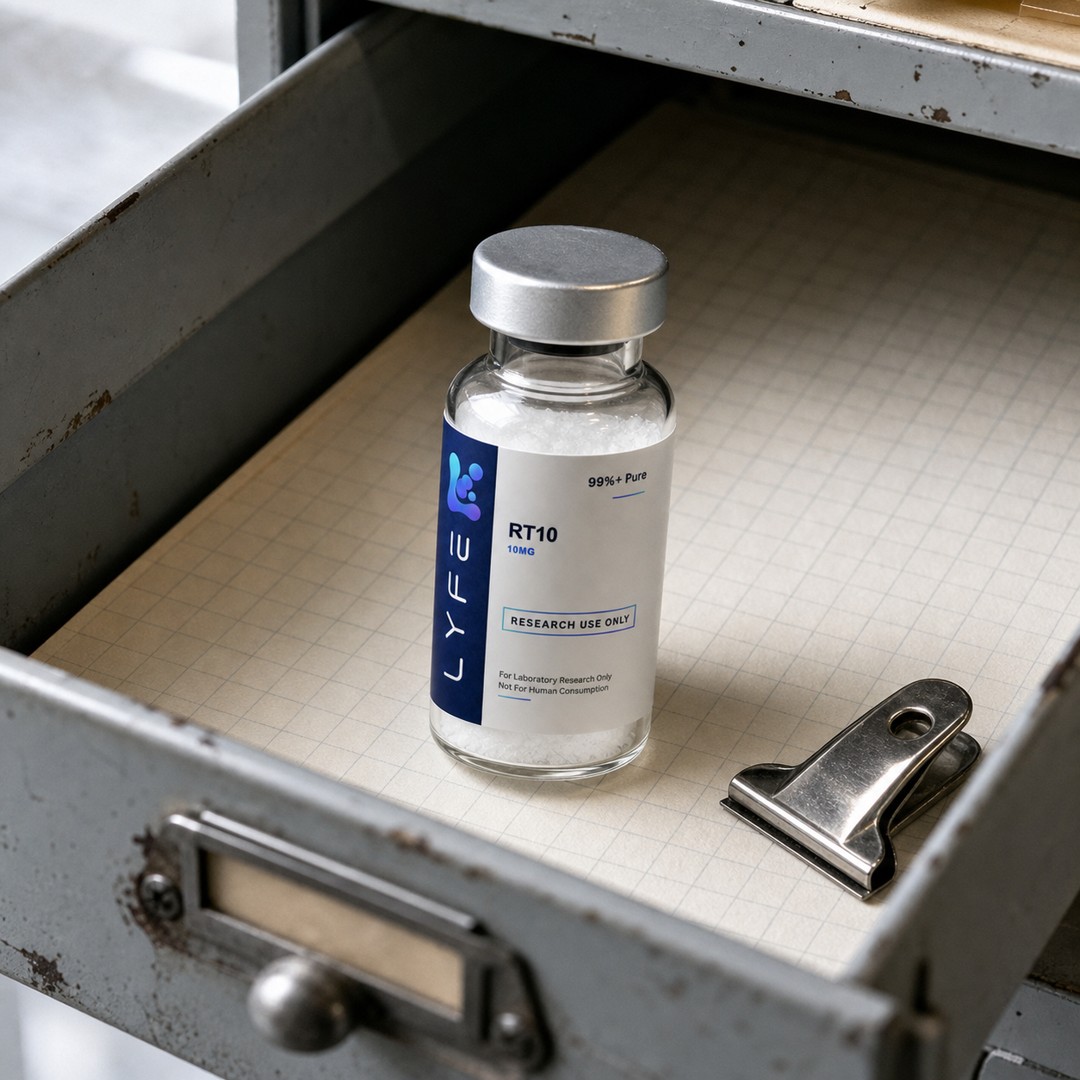
Retatrutide is a lyophilised (freeze-dried) peptide powder sealed in a vial. The 10mg, 20mg or 40mg figure is the total mass of peptide in that single vial before anything is added to it. A 40mg vial is not a stronger product than a 10mg vial, it just contains four times as much of the same compound. The concentration you end up working with depends entirely on how much liquid the powder is later reconstituted in, which is a separate decision from vial size.
Comparison at a glance
| Vial size | Total peptide | Typical fit | Cost-per-mg trend |
|---|---|---|---|
| 10mg | Smallest quantity | Short studies, first orders, trialling a supplier | Usually highest per mg |
| 20mg | Mid quantity | Balanced choice for ongoing work | Middle of the range |
| 40mg | Largest quantity | Longer research timelines, fewer reorders | Usually lowest per mg |
Cost per milligram is the number that matters
Because the three vials contain the same compound, the fair way to compare them is not the sticker price but the price per milligram. Larger vials almost always bring the per-mg figure down, the same pattern you see with buying most things in bulk. A 40mg vial usually offers the best value per milligram, while a 10mg vial carries the highest per-mg cost in exchange for a smaller upfront outlay. When you compare suppliers, divide price by total milligrams and you will be comparing like with like.
Why bigger is not automatically better
The lowest per-mg cost is only an advantage if the peptide stays stable and usable for as long as you need it. Reconstituted peptide has a limited shelf life and must be kept cold, so a very large vial only makes sense if your research plan will actually use it within a reasonable window. For shorter projects, or when you are trying a new supplier for the first time, a 10mg or 20mg vial keeps your commitment small and lets you verify quality before scaling up. Match the vial size to the length and scope of the work in front of you, not just to the best headline price.
Handling and storage
Whichever size you choose, the fundamentals are the same. Store the sealed lyophilised vial cold and dry, reconstitute only when you are ready to begin, and keep the reconstituted solution refrigerated. Larger vials do not change these rules, they simply mean you are holding more product, so stable storage matters more the bigger you go. Our peptide guide covers reconstitution and storage in plain language.
How to judge quality regardless of size
Vial size tells you nothing about purity. That comes from verification. Look for identity and purity confirmed by HPLC and mass spectrometry with a certificate of analysis for the specific lot, not a generic example. A cheap per-mg price on an unverified vial is not a saving, it is a gamble.
Sourcing peptides in Canada from LYFE Science
LYFE Science is a Canadian supplier where you can buy Retatrutide 10mg, 20mg and 40mg in Canada, shipping nationwide by Canada Post, with flat $25 shipping and free delivery on orders over $150. Orders paid before noon Eastern dispatch the same day and reach most of Canada in one to three business days, in neutral packaging. Every lot is checked by HPLC and mass spectrometry, with a COA available. We accept Interac e-Transfer and crypto (BTC, ETH, SOL, USDC, USDT).
Browse the current catalogue and check what is in stock below.
Follow along
Research, lab-side
@lyfe_science →