Blog
Peptide Research in 2026: Year in Review

Peptides moved from a niche corner of the lab to one of the most talked-about categories in the life sciences over the past couple of years, and 2026 was the year that shift became impossible to ignore. Rather than chase individual headlines, this recap steps back and looks at the broader currents: which research areas grew, how buyer expectations changed, and what all of it means if you are sourcing peptides in Canada. The specifics will keep evolving, but the direction of travel is clear.
Metabolic peptides went fully mainstream
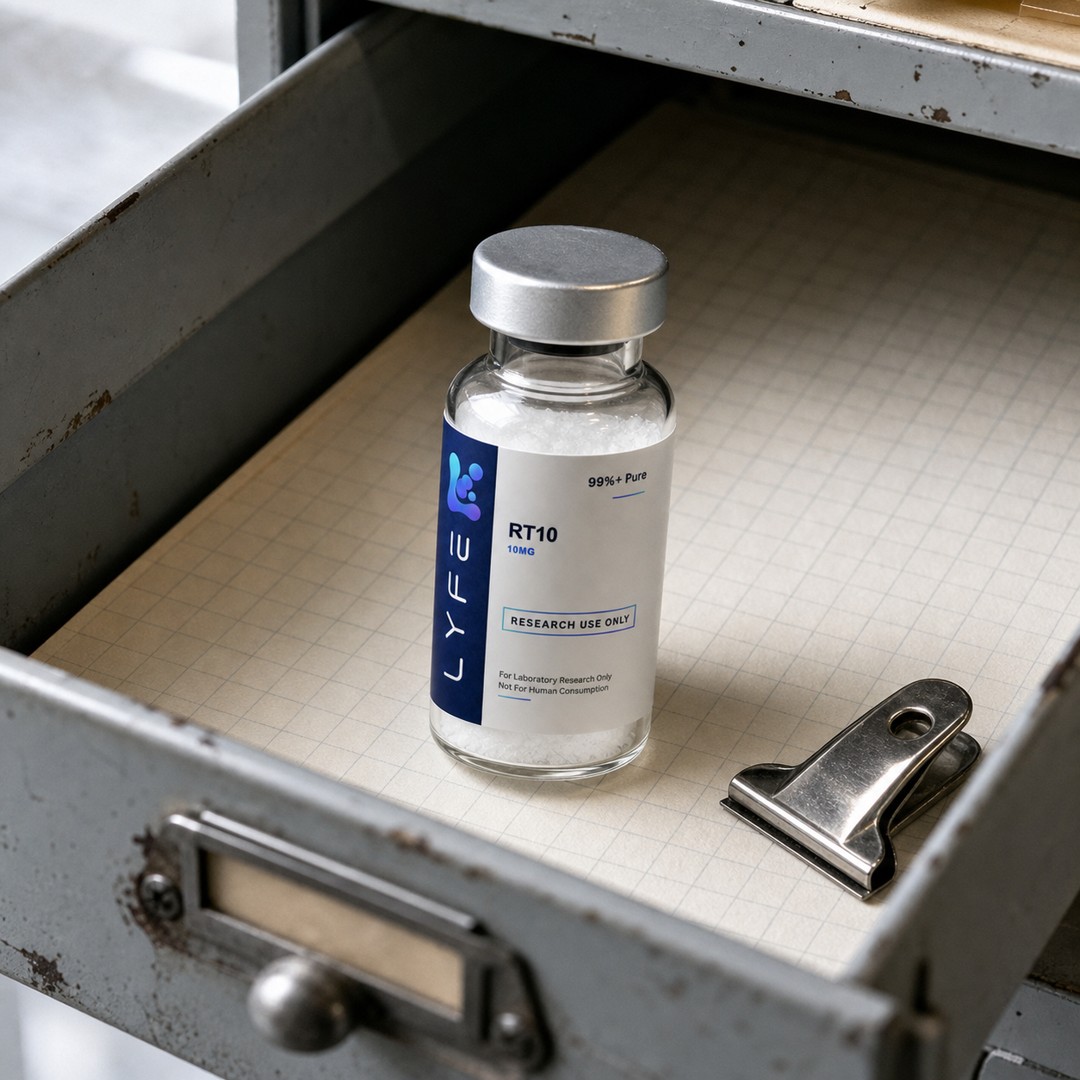
The single biggest story remained the incretin and metabolic class. Interest in GLP-1 and multi-receptor agonists such as semaglutide, tirzepatide, and retatrutide pulled a much wider audience into peptide science than ever before. That gravity had a spillover effect: people who came for the metabolic names stayed to explore adjacent categories, and search demand across the whole field rose with it.
Mitochondrial and cellular-energy peptides gained ground
Alongside the headline metabolic compounds, mitochondrial derived peptides drew steadily more attention. MOTS-c in particular became a name researchers recognised rather than had to look up, reflecting a broader curiosity about cellular energy and metabolism at the level of the mitochondria rather than the whole organism.
Structural and matrix peptides held their place
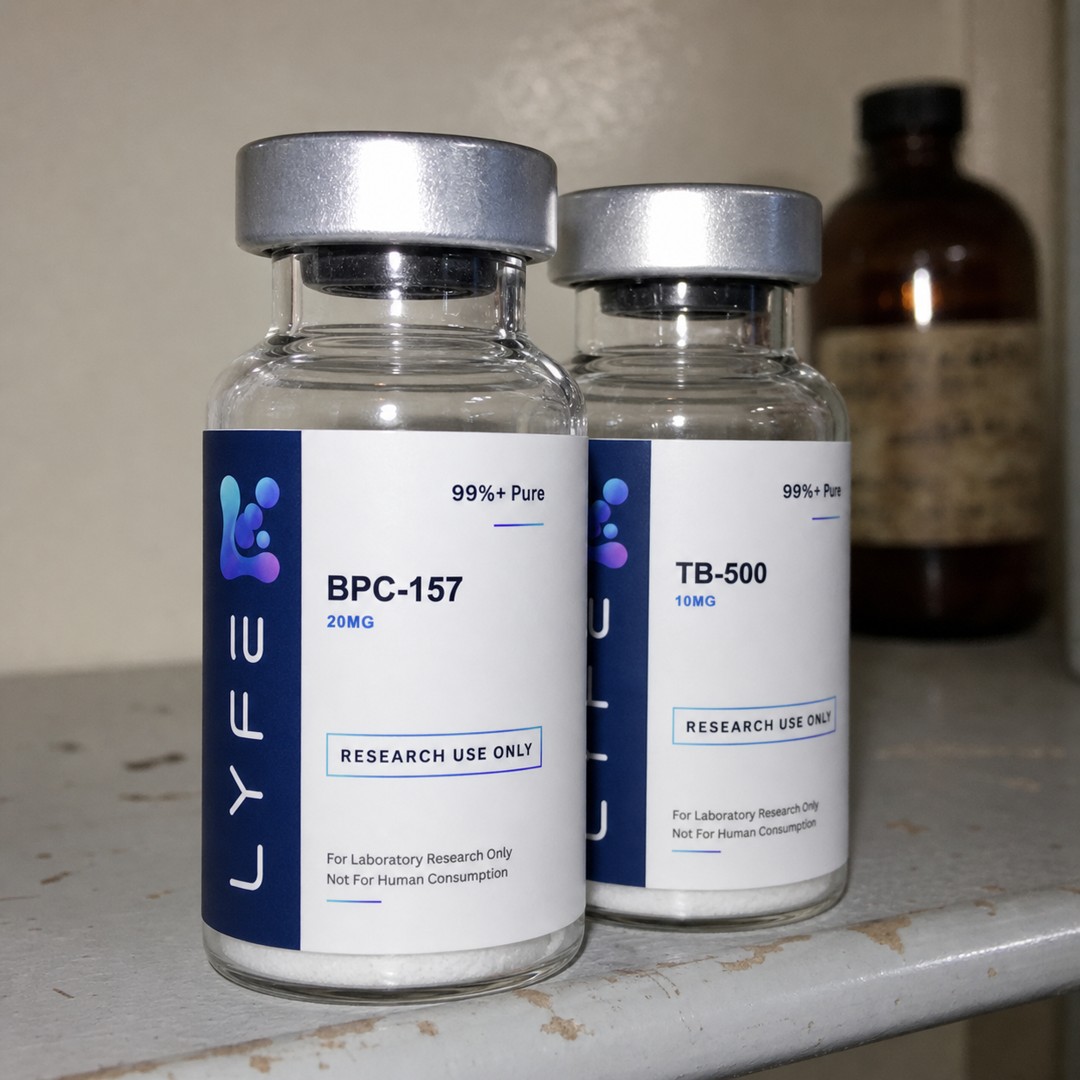
Not everything was about metabolism. Cytoskeletal research peptides like TB-500 and copper-binding matrix peptides like GHK-Cu kept a steady, engaged following. These compounds have been studied for years, and their staying power is a reminder that the field is broader than whichever class happens to be trending.
Quality expectations rose sharply
Perhaps the most important change was not about any one molecule. As the audience grew, so did scrutiny of what was actually in the vial. Buyers increasingly treated a per-lot certificate of analysis as a baseline requirement rather than a nice-to-have, and identity and purity confirmed by HPLC and mass spectrometry became the standard people looked for before ordering. Suppliers that could not show their work started to lose ground.
What changed for buyers, at a glance
| Trend | What it means for you |
|---|---|
| Metabolic peptides mainstream | More interest, more information, more comparison content to sort through |
| Mitochondrial peptides rising | Names like MOTS-c now widely recognised |
| Higher quality bar | Per-lot COA and HPLC/MS testing now expected as standard |
| Maturing Canadian supply | Domestic sourcing with faster shipping and no border friction |
The Canadian supply picture matured
For Canadian researchers, the most practical development was the growth of domestic sourcing. Buying within Canada sidesteps customs delays and cross-border uncertainty, and it means shipping timelines measured in a few business days rather than weeks. As the category matured, Canadian buyers increasingly expected transparent testing, clear shipping terms, and payment options that suited them, rather than settling for whatever an overseas vendor offered.
What to carry into the year ahead
If there is one lesson from 2026, it is that the fundamentals matter more as the field grows, not less. The molecules will keep changing, but the questions worth asking stay the same: is the identity confirmed, is the purity documented, and can the supplier show a certificate of analysis for the exact lot you are buying? Getting those right is what separates a usable result from a wasted experiment.
Sourcing peptides in Canada for the year ahead
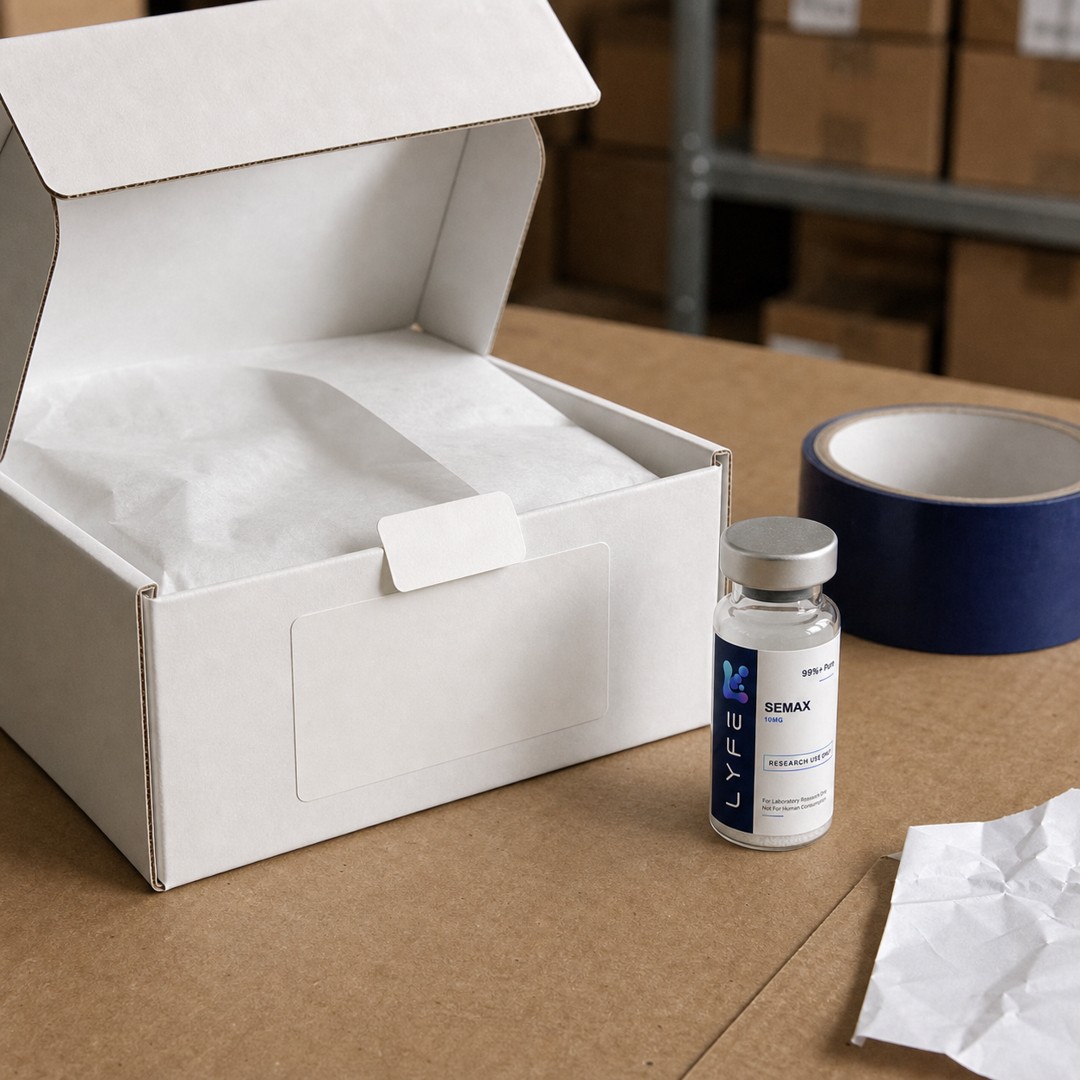
LYFE Science is a Canadian supplier built around exactly those fundamentals. Every lot is confirmed by HPLC and mass spectrometry with a certificate of analysis available. We ship coast to coast by Canada Post at a flat $25, free over $150, with same-day dispatch on orders paid before noon Eastern and delivery to most of Canada in one to three business days. Packaging is plain and neutral, and we accept Interac e-Transfer and crypto (BTC, ETH, SOL, USDC, USDT).
New to the field or returning after a break? Our peptide guide is a good refresher, and the shop page organises everything we carry by research area.
Follow along
Research, lab-side
@lyfe_science →