Blog
How to Verify Peptide Quality in Canada

Quality is the whole point of buying peptides from a serious supplier, yet it is invisible to the naked eye. Two vials that look identical can be worlds apart in purity and identity. Verifying quality means relying on data rather than appearances, and knowing which data to trust.
Purity is not one number
When a supplier claims a high purity, the real question is how they measured it. High-performance liquid chromatography, or HPLC, separates the components of a sample and shows the main peptide as a dominant peak. The percentage is the size of that peak relative to everything else. A number with no method behind it is just a marketing figure.
Identity matters as much as purity
A sample can be very pure and still be the wrong compound. Mass spectrometry confirms identity by measuring molecular weight, which acts like a fingerprint for the peptide. Purity by HPLC and identity by mass spec together answer the two questions that matter: is it the right compound, and how clean is it?
The certificate of analysis
All of this should be captured in a lot-specific certificate of analysis. Check that the lot number on the COA matches your vial, that the methods are named, and that the report is recent. Independent third-party certificates carry the most weight because the testing lab has no reason to flatter the result.
A quick quality checklist
- Purity confirmed by HPLC, ideally with a visible chromatogram.
- Identity confirmed by mass spectrometry.
- A COA tied to the specific lot you received.
- Clear labelling with compound name, quantity and lot number.
- A supplier who answers questions and shares documentation freely.
- Careful packaging and prompt shipping so material arrives in good condition.
Beyond the numbers: consistency and reputation
A single good COA is a snapshot; consistency across lots is the real test of a supplier. The best sign of quality is a company that documents every batch the same way over time, so that the vial you buy next month is held to the same standard as the one you bought today. Reputation among other Canadian buyers, clear communication, and a willingness to answer technical questions all point in the same direction as good paperwork.
Why the cheapest option can cost more
It is tempting to sort suppliers by price alone, but an undocumented vial that fails in an experiment is far more expensive than the few dollars it saved. Wasted reagents, lost time, and results that will not reproduce dwarf the sticker difference. Paying a fair price for verified material is not a premium; it is the cheaper option once you account for the cost of getting it wrong.
Signs of a supplier worth trusting
Transparency is the throughline. A supplier confident in their material names their test methods, provides lot-specific documentation, ships from a known location, and offers payment and support you can actually reach. Anything less asks you to take quality on faith.
How LYFE Science verifies quality
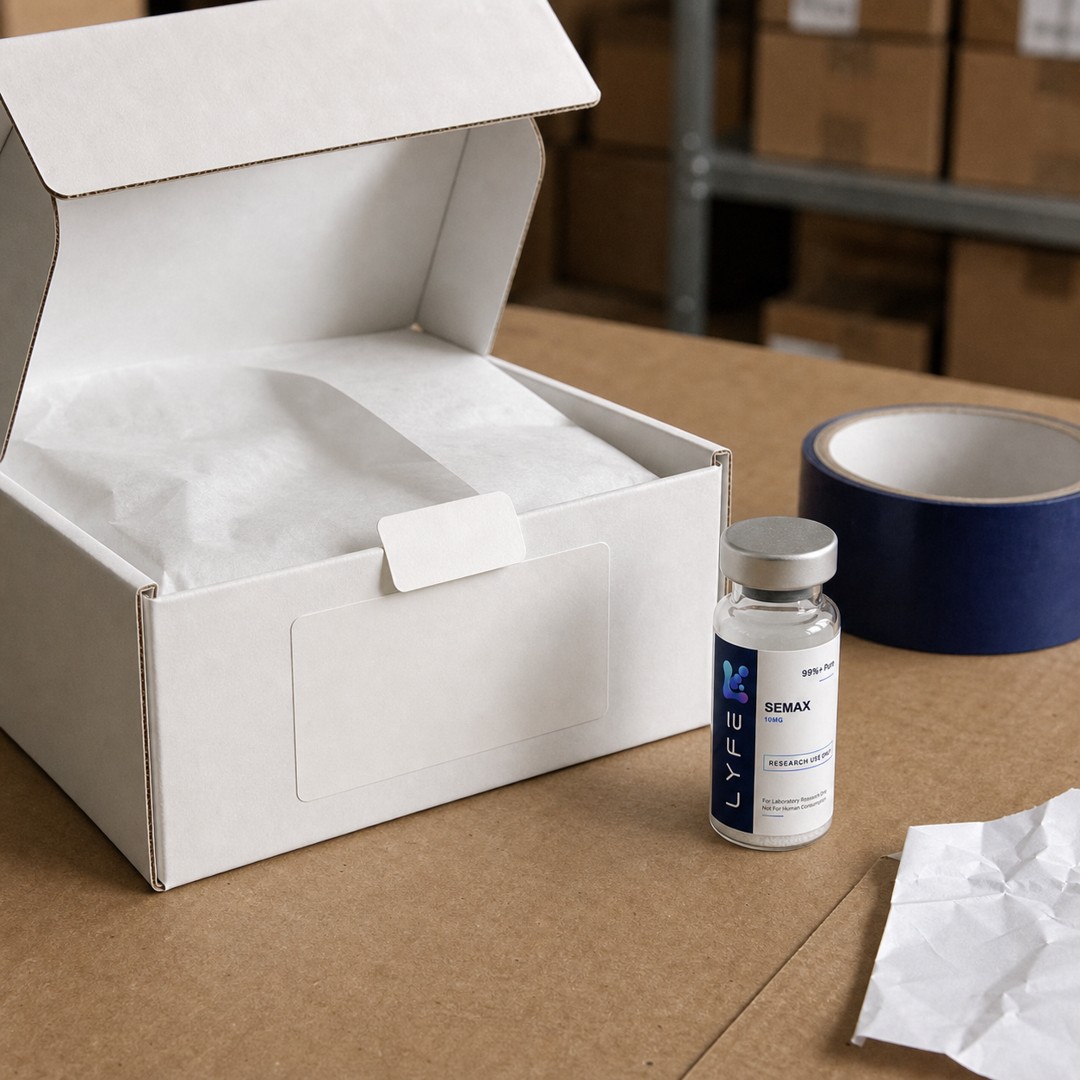
Every lot is checked by HPLC and mass spectrometry, and a lot-specific COA is available so you can confirm both purity and identity yourself. LYFE Science is a Canadian supplier that ships coast to coast with Canada Post. Shipping is a flat $25 and free on orders over $150, dispatched the same day when payment clears before noon Eastern and arriving in one to three business days across most of the country. Packaging is plain and unbranded. Payment is by Interac e-Transfer or crypto (BTC, ETH, SOL, USDC, USDT). The result is a straightforward path from order to verified vial, with nothing you have to take on trust.
Follow along
Research, lab-side
@lyfe_science →