Blog
How to Read a Peptide Vial Label: Every Spec

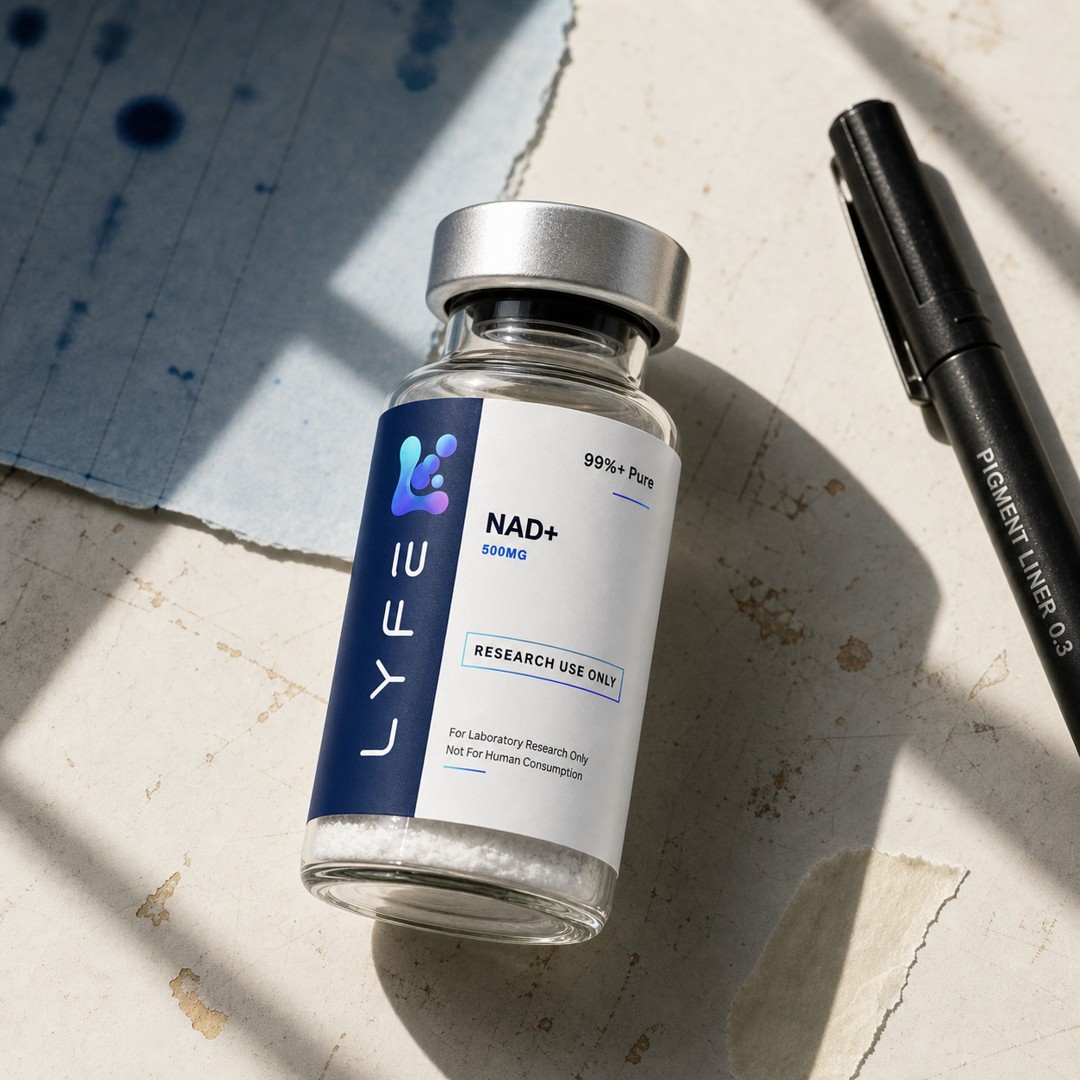
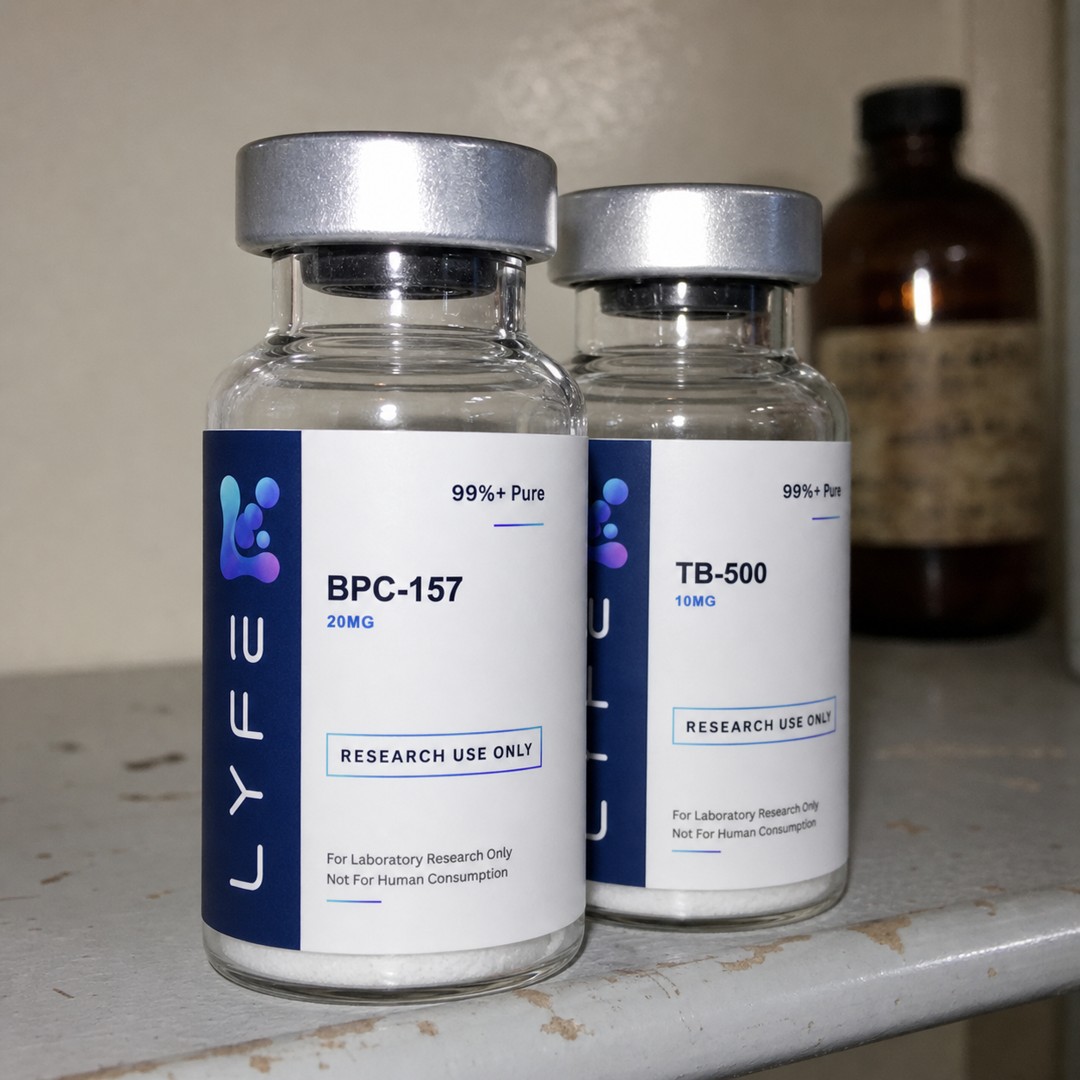
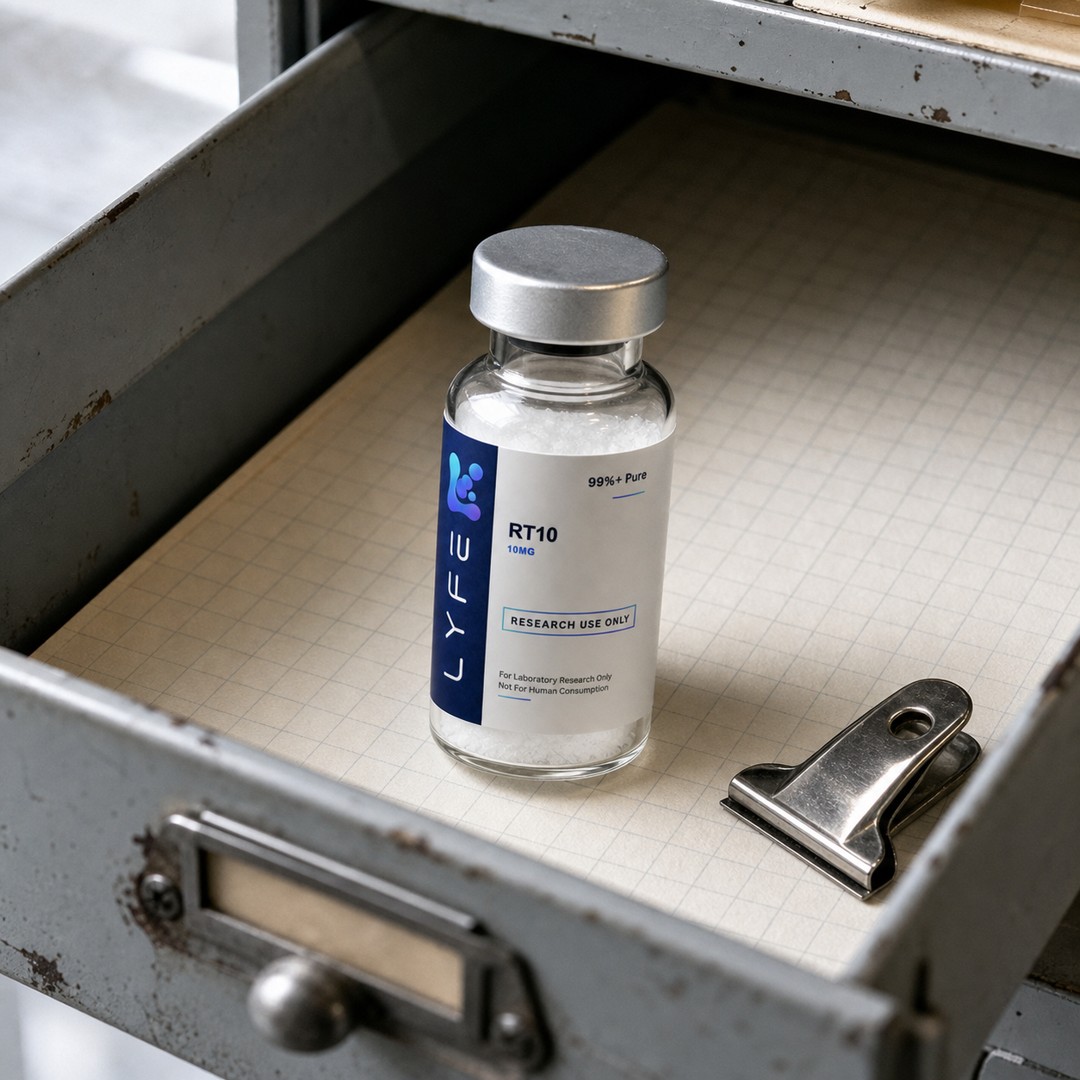
The label on a peptide vial is small, but it carries the information you need to confirm you received the right material and to match it back to its certificate of analysis. Reading it properly takes a few seconds and can catch mislabelled, mismatched, or underfilled vials before they become a problem. Here is what each element on the label means.
The compound name
The most important line is the compound identity. It should name the peptide clearly and correctly, ideally using its standard name rather than an ambiguous abbreviation. A precise name lets you match the vial to the product page, the invoice, and the COA. If the label uses a shorthand you do not recognize, confirm it against the supplier’s listing before assuming what is inside.
The quantity in milligrams
The label states the amount of peptide in the vial, almost always in milligrams (mg). This number is central because peptides are priced and compared per milligram. The labelled amount should match what you ordered and, ideally, what a quantity test on the COA confirms is actually present. A vial labelled with more than it contains quietly raises your real cost per milligram.
The lot or batch number
The lot number (sometimes called batch number) ties the physical vial to a specific production and testing run. This is the thread that connects the label to the correct COA. When you request testing documentation, the lot number on the vial should match the lot number on the certificate. If they do not match, the COA does not describe what is in your hand.
- Match the lot number on the vial to the lot number on the COA.
- Keep it recorded for traceability.
- A missing lot number makes verification impossible.
Storage information
Many labels include storage guidance, since peptides are sensitive to heat, light, and moisture over time. Lyophilized (freeze-dried) peptide is generally stable stored cold and dry, which is why quality suppliers ship carefully and advise appropriate storage on receipt. Storage notes on the label are a small but genuine sign of a supplier that handles material properly.
Physical form and appearance
Labels or product pages often indicate the physical form, typically a lyophilized white powder or a compressed pellet at the bottom of the vial. When the vial arrives, the contents should broadly match that description. A clear, sealed vial with intact powder is what you want to see; discoloration or a compromised seal is a reason to contact the supplier.
What the label should let you cross-check
| Label element | Cross-check against |
|---|---|
| Compound name | Product page and invoice |
| Milligram content | What you ordered, COA quantity test |
| Lot number | The matching COA |
| Storage note | How you keep it on arrival |
Red flags on a label
- No lot number, so nothing can be verified.
- A milligram figure that does not match your order.
- A generic “99% pure” printed with no lot-specific COA behind it.
- An abbreviation that does not clearly correspond to a real compound.
A label is a claim; a lot-matched COA is the evidence. The two should agree completely.
How LYFE Science labels and tests
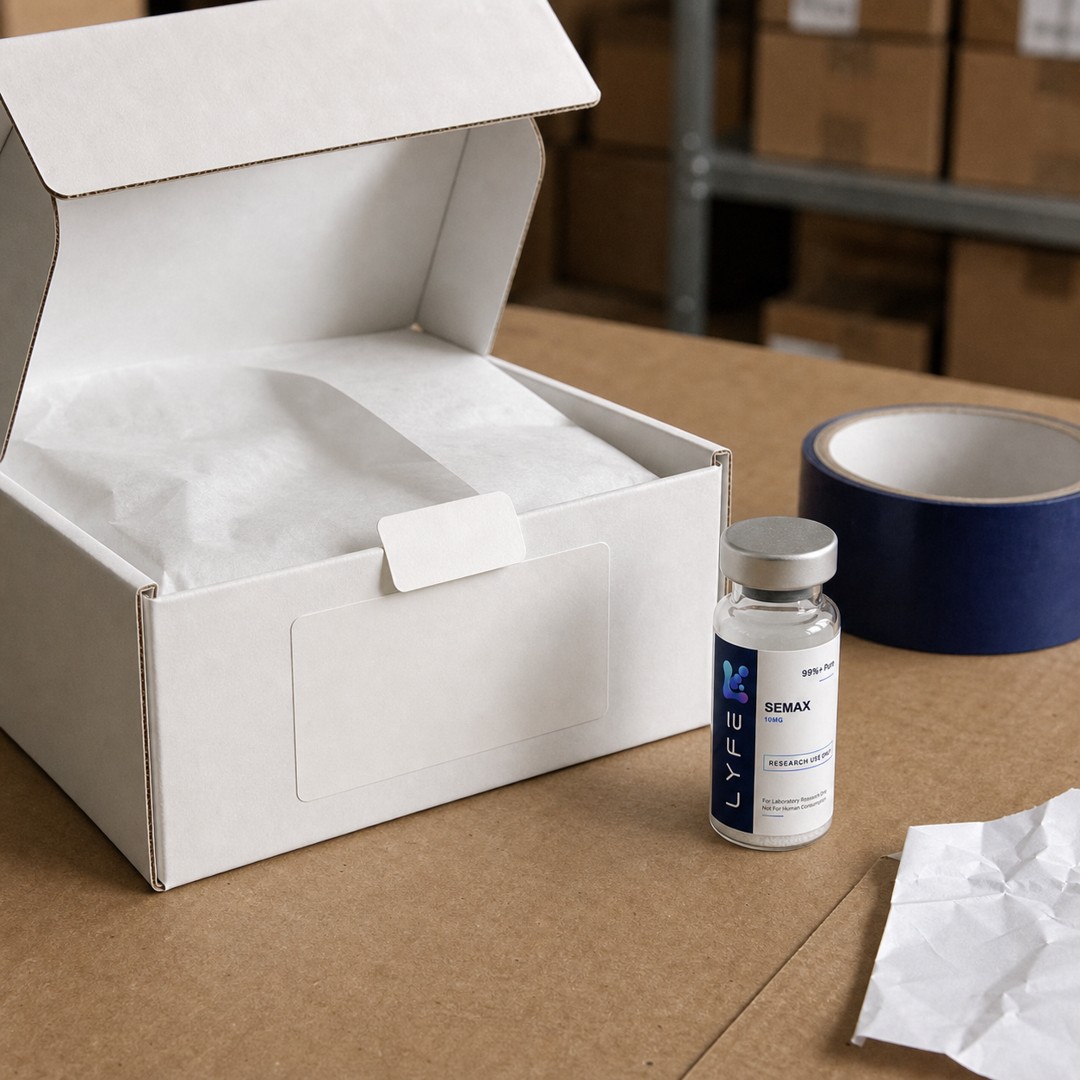
LYFE Science checks every lot by HPLC and mass spectrometry and makes the COA available per lot, so the label on the vial ties back to real testing data. Orders ship Canada-wide by Canada Post in neutral packaging, flat $25 and free over $150, dispatched the same day when paid before noon ET.
Once you can read a vial label and match it to a COA, verifying any order becomes a thirty-second habit.
Follow along
Research, lab-side
@lyfe_science →