Blog
BPC-157 Storage, Temperature & Shelf Life Guide

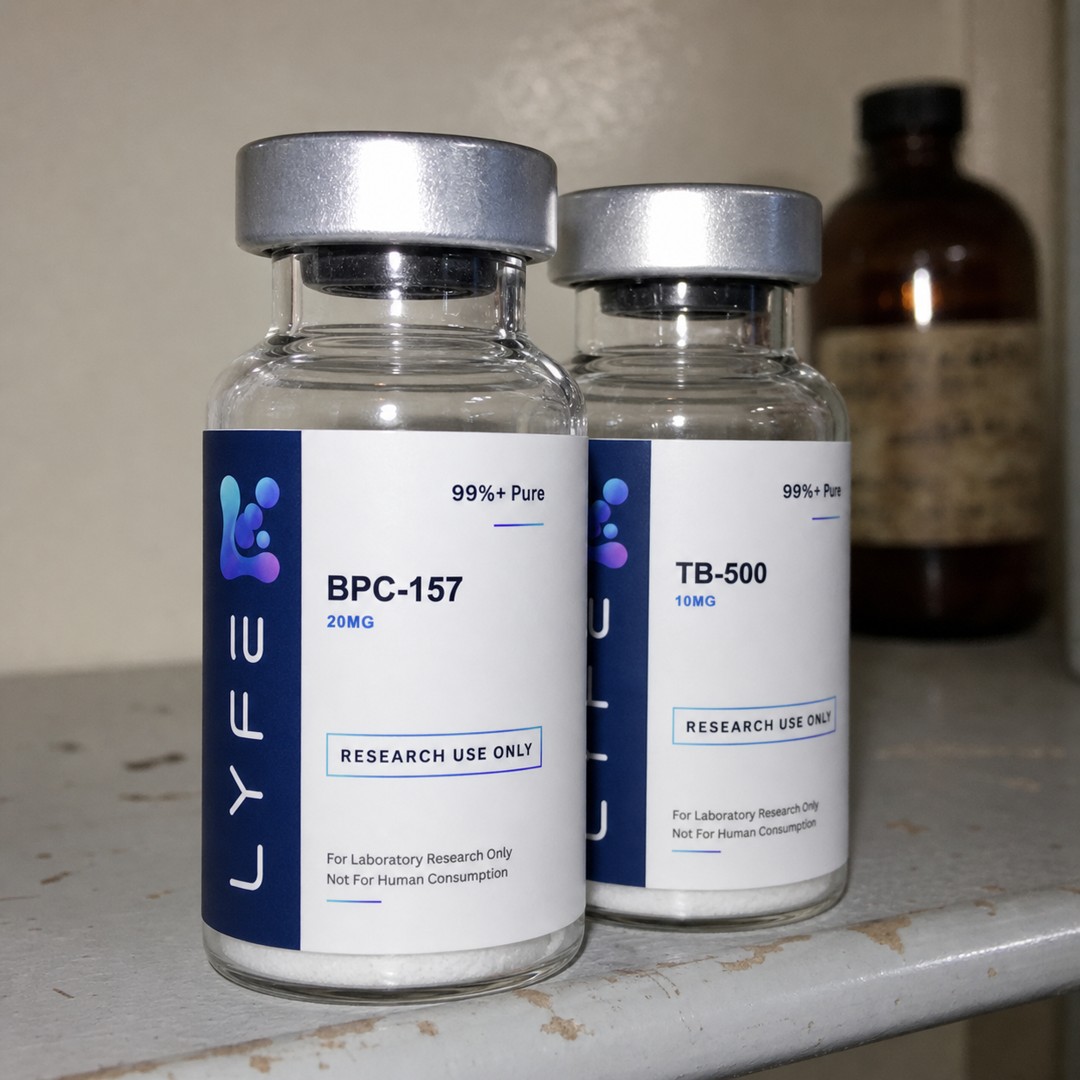
BPC-157 is a synthetic peptide that research labs handle frequently, and how it is stored has a direct effect on how long it stays intact. Peptides are delicate molecules: heat, light, moisture and repeated temperature swings all speed up degradation. This guide walks through practical storage of BPC-157 so a vial holds its integrity from the day it arrives until the day it is used up.
Why storage matters for peptides
Unlike small, rugged chemicals, peptides are chains of amino acids held together by bonds that can break down over time. When a peptide degrades, the material is no longer the clean single compound it started as. Careful storage is the simplest, cheapest way to keep a peptide performing as expected across a study.
Two things drive degradation more than anything else: temperature and moisture. Keep both low and stable and a peptide will comfortably outlast a warm, humid, brightly lit shelf.
Lyophilised (freeze-dried) BPC-157
Most BPC-157 ships as a lyophilised powder, which is by far its most stable form. In this dry state the peptide is far less reactive because there is very little water present to drive breakdown.
- Short term (weeks): a cool, dark drawer away from heat sources is generally fine for lyophilised powder that will be used soon.
- Medium term (months): refrigeration at roughly 2 to 8 degrees Celsius is the common choice and keeps the powder well protected.
- Long term (a year or more): a freezer at around minus 20 degrees Celsius, or colder, is the gold standard for extended storage.
Whatever temperature you choose, keep the vial sealed and shielded from light until it is needed.
After a peptide is placed in solution
Once a lyophilised peptide is dissolved, the clock speeds up considerably. Liquid peptide is much less stable than dry powder because water and any added preservative are now in constant contact with the molecule. Solutions are generally kept refrigerated and used within a relatively short window rather than left at room temperature.
A few habits that protect a solution: keep it cold and out of light, avoid freezing and re-thawing the same vial many times, and minimise how long it spends warm on a bench.
Temperature swings are the hidden enemy
A single stable temperature is kinder to a peptide than a fridge that is opened constantly or a vial that travels from freezer to bench and back several times a day. Each freeze-thaw or warm-cool cycle is an opportunity for degradation. If a vial is in active use, it is often better to keep it consistently refrigerated rather than repeatedly cycling it in and out of a freezer.
Quick storage checklist
- Keep BPC-157 cold, dark and dry.
- Store lyophilised powder in the fridge or freezer depending on how long you need it to last.
- Protect vials from direct light and heat at all times.
- Minimise freeze-thaw cycles.
- Keep material sealed until you are ready to work with it.
Shipping and handling in Canada
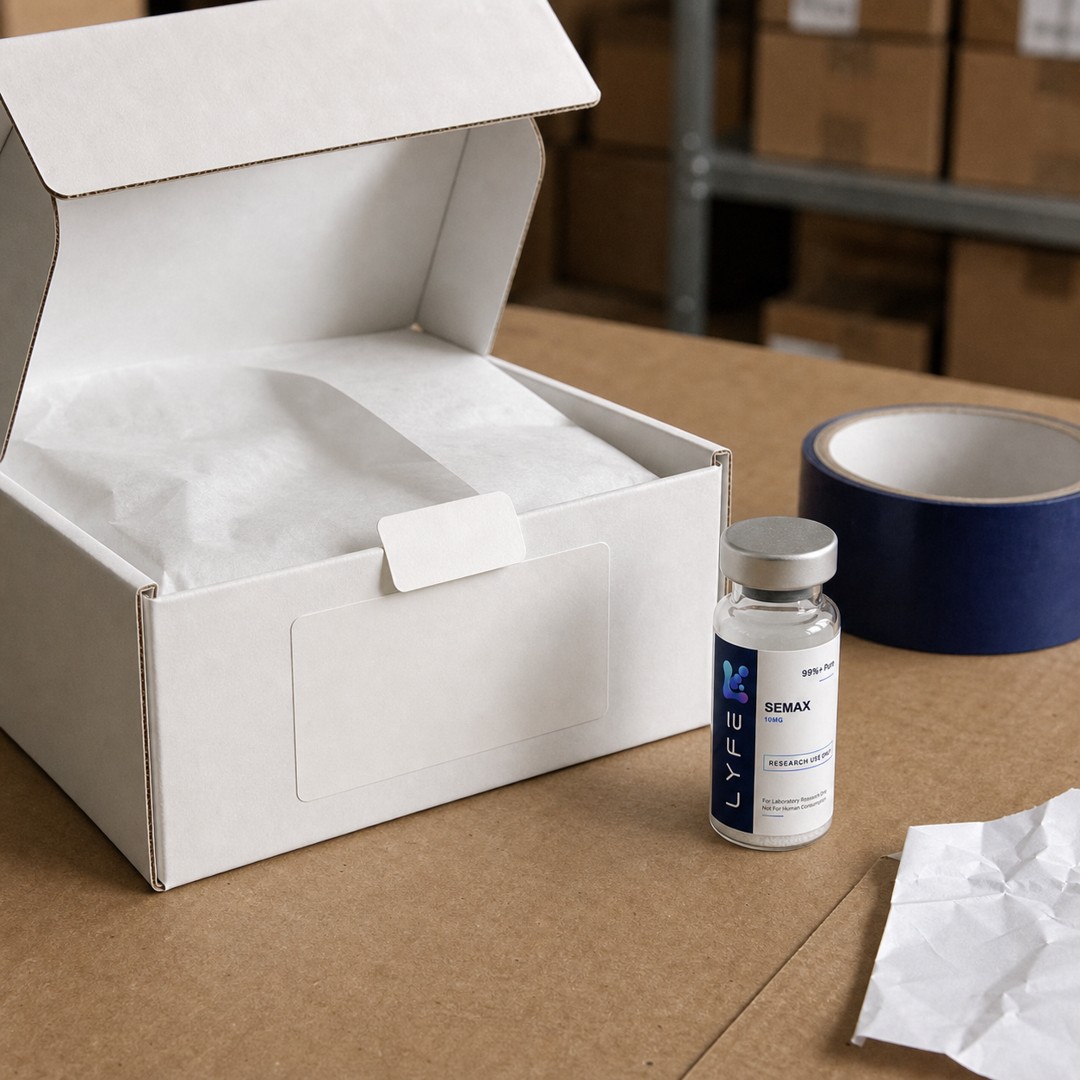
Good storage starts with a supplier that handles material properly before it reaches you. LYFE Science is a Canadian supplier and ships coast to coast with Canada Post. Flat $25 shipping, free over $150, in neutral packaging. Orders paid before noon ET ship the same day, and most of Canada sees delivery in 1 to 3 business days. Payment is by Interac e-Transfer or crypto (BTC, ETH, SOL, USDC, USDT). Every lot is checked by HPLC and mass spectrometry, and a certificate of analysis (COA) is available for the lot you receive. A clean lot, well packed and quickly dispatched, gives you the best possible starting point for the shelf life numbers above.
LYFE Science carries a focused catalogue of research peptides and is expanding it over time. Browse what is in stock and check back as the range grows.
Follow along
Research, lab-side
@lyfe_science →