Blog
TB-500 Tendon & Ligament Research Guide

Connective tissue is one of the most active areas of TB-500 research, and tendons and ligaments sit at the centre of it. These tissues are slow to remodel, poorly supplied with blood, and mechanically demanding, which makes them a natural testing ground for compounds that influence how cells migrate and organize. This guide covers what TB-500 is, why tendon and ligament models attract so much interest, and what to look for before buying in Canada.
What TB-500 is
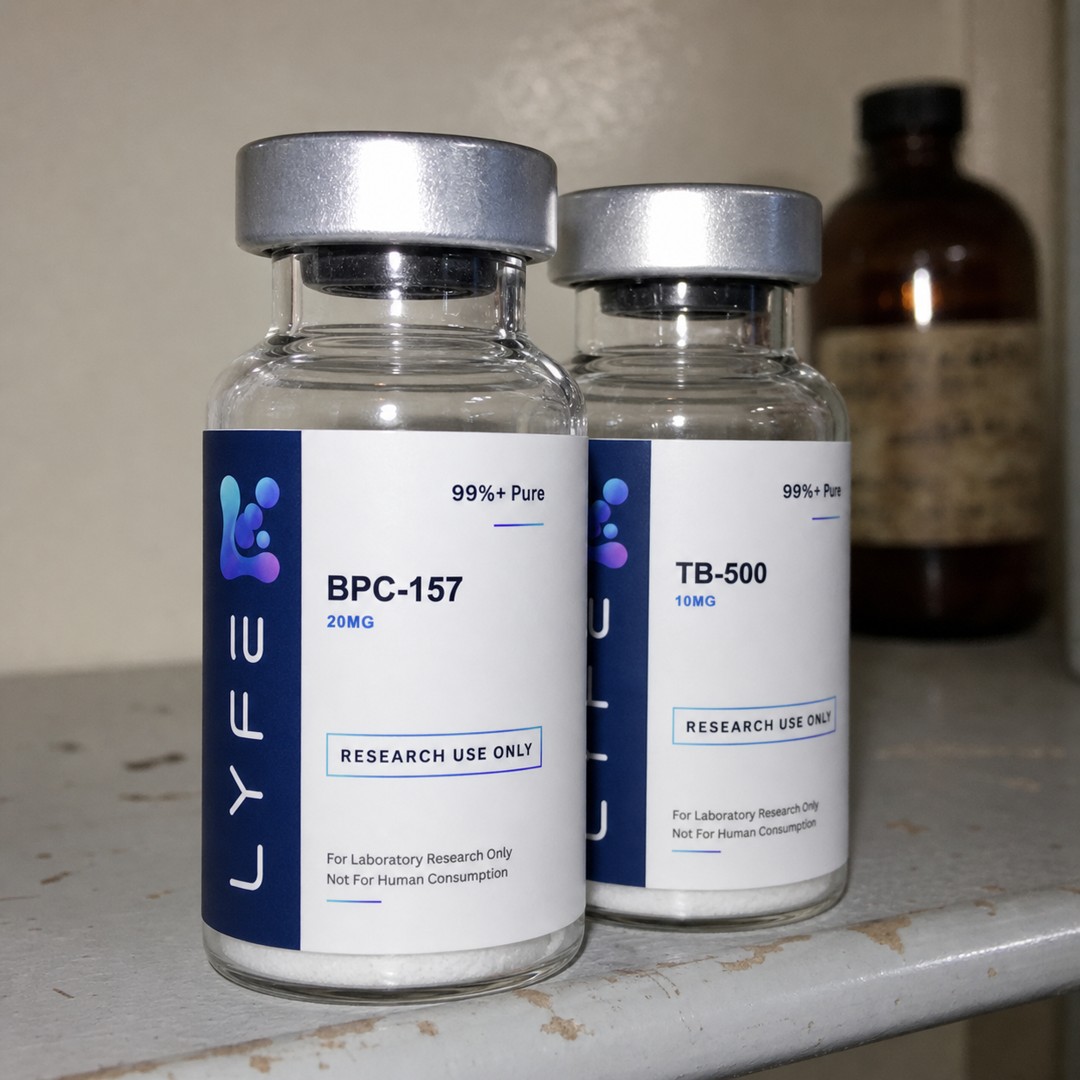
TB-500 is a synthetic peptide based on the active region of thymosin beta-4 (Tβ4), a small protein that naturally accumulates at sites of tissue stress. Tβ4’s best-known role is regulating actin, a core component of the cell’s internal scaffold. Because the full protein is harder to work with, researchers use the shorter TB-500 sequence as a practical tool for studying the same pathways. It ships as a lyophilized (freeze-dried) powder in a sealed vial and, like every peptide, is sensitive to heat and moisture.
Why tendons and ligaments are studied so often
Tendons connect muscle to bone and ligaments connect bone to bone. Both are built largely from densely packed collagen, and both are notoriously slow to remodel because they carry relatively little blood supply. That combination of high mechanical load and limited vascular support is why they feature so heavily in connective-tissue research. Interest around TB-500 in these tissues tends to focus on a few recurring themes.
- Cell migration. By influencing actin dynamics, Tβ4-derived peptides affect how cells build their internal framework and move, a process that underlies how a tissue populates and reorganizes a damaged region.
- Angiogenesis. Because tendons and ligaments are poorly vascularized, the formation of new blood vessels is a frequent point of study.
- Extracellular matrix organization. Research often examines how collagen and the surrounding matrix are laid down and aligned, which governs a tissue’s mechanical properties.
- Inflammatory signalling. The early cellular environment around connective-tissue stress is another common focus.
These are descriptions of why the molecule is investigated, not statements about results in people. TB-500 is studied here because the pathways it touches, cell movement, vascularization, and matrix organization, are exactly the processes that matter in tendon and ligament biology.
Where TB-500 fits in the peptide catalogue
TB-500 is classed among cytoskeletal compounds, because its defining action is on actin and the cell scaffold rather than on a metabolic or endocrine axis. Grouping peptides by their field of study, instead of by any claimed effect, is the clearest way to see which molecules are genuinely comparable and where a given compound belongs.
What to check before you buy TB-500 in Canada
A label is not evidence of what is in the vial. Run through a short checklist before ordering.
- Identity and purity testing. A serious supplier verifies each lot by HPLC for purity and mass spectrometry to confirm the molecule matches the label, and can provide a certificate of analysis (COA) for the specific lot you receive.
- Canadian fulfilment. Ordering domestically avoids customs friction and the cold-chain risk of long international shipping.
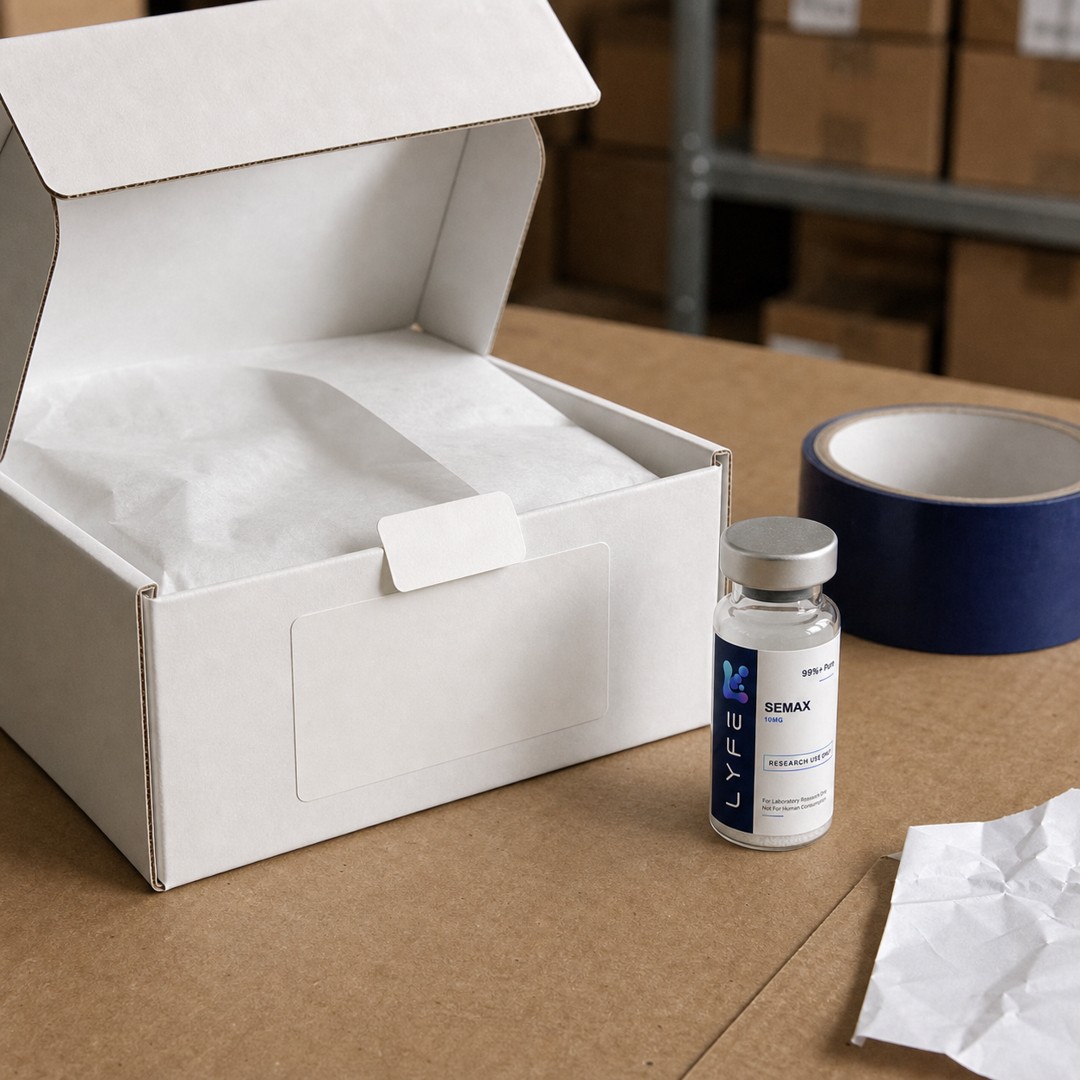
- Protective handling. Lyophilized peptides do best in discreet, protective packaging dispatched fast.
- Transparent payment. Honest thresholds and clear options beat vague pricing.
Buying TB-500 from LYFE Science
LYFE Science is a Canadian supplier shipping TB-500 across the country by Canada Post. Shipping is a flat $25 and free over $150, which usually rewards consolidating an order. Payment made before noon ET dispatches same day, and most of Canada receives delivery in 1-3 business days. Packaging is neutral and unbranded.
Every lot is verified by HPLC plus mass spectrometry with a COA available per lot, so you never have to take the label on faith. Payment is by Interac e-Transfer or crypto (BTC, ETH, SOL, USDC, USDT), with no card processor involved.
| Question | Short answer |
|---|---|
| What family does TB-500 belong to? | Cytoskeletal research, based on thymosin beta-4. |
| How is quality confirmed? | HPLC and mass spectrometry, COA per lot. |
| What does shipping cost? | $25 flat, free over $150, by Canada Post. |
| How do I pay? | Interac e-Transfer or crypto. |
Where to go next
New to this category? The plain-language peptide guide walks through handling, storage, and testing. Browse the full range on the shop, or ask about a specific lot through the contact page.
Follow along
Research, lab-side
@lyfe_science →