Blog
Damaged or Discoloured Peptide Vial? What It Means

Your order arrives, you open the box, and something looks off: the cake inside the vial has shifted colour, the stopper looks loose, or the glass took a knock in transit. Knowing how to inspect a vial and what its appearance can tell you helps you decide whether to use it or flag it. Here is a clear, practical guide.
Inspect every vial on arrival
Before anything else, give each vial a careful look under good light. Check the glass for cracks or chips, confirm the seal and stopper sit flush, and note the appearance of the material inside. A quick inspection at the moment of delivery is your best chance to catch a problem while it can still be reported.
What lyophilised peptide should look like
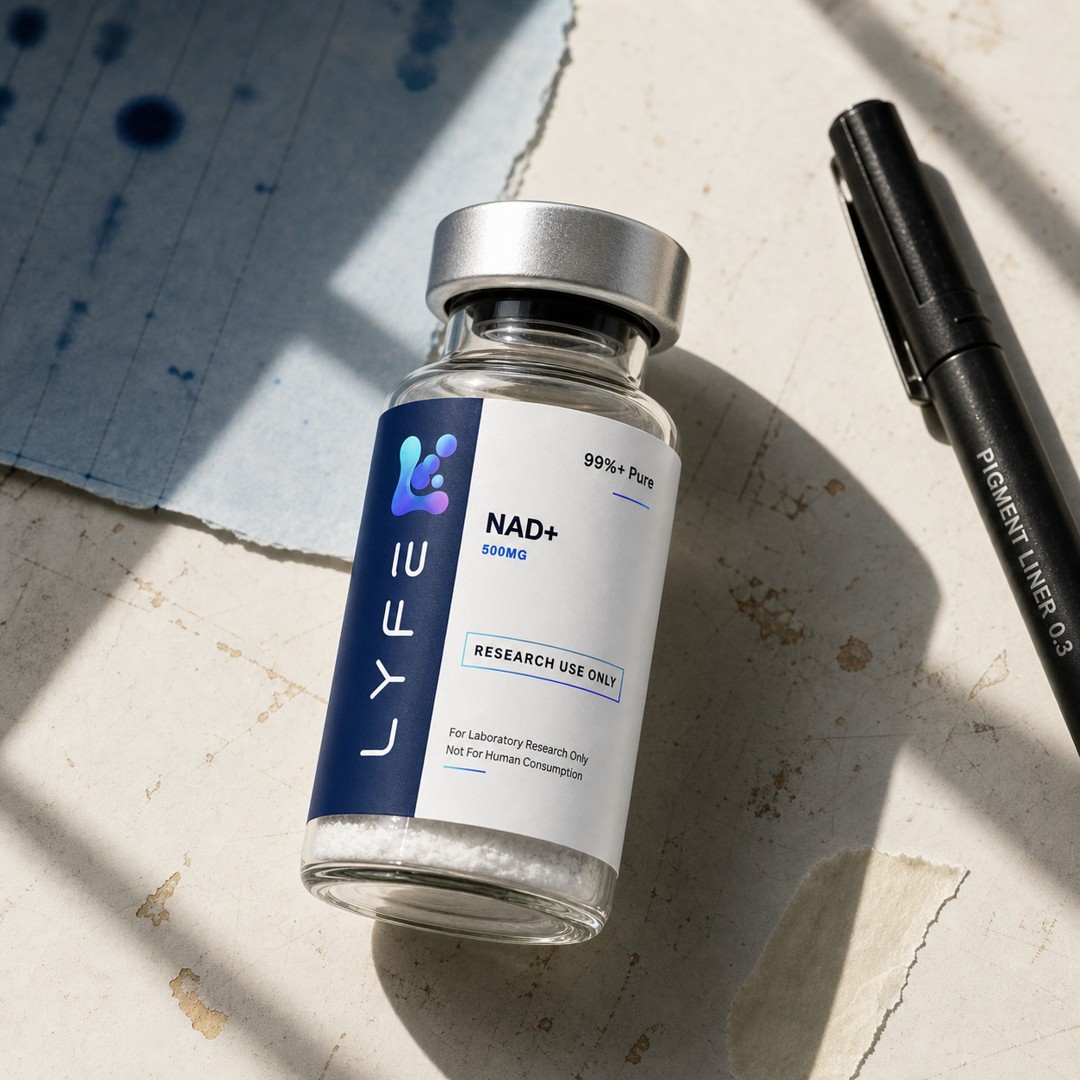
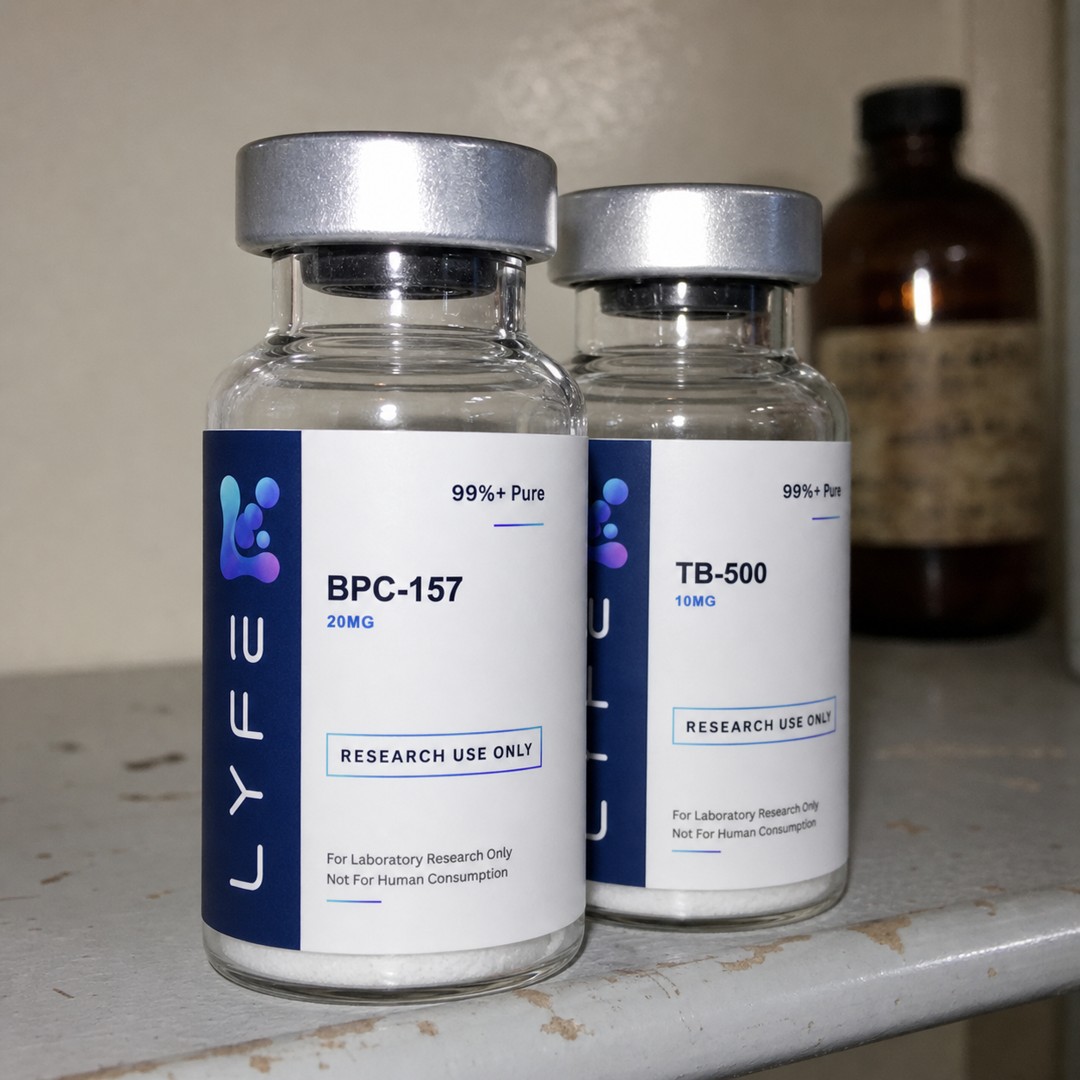
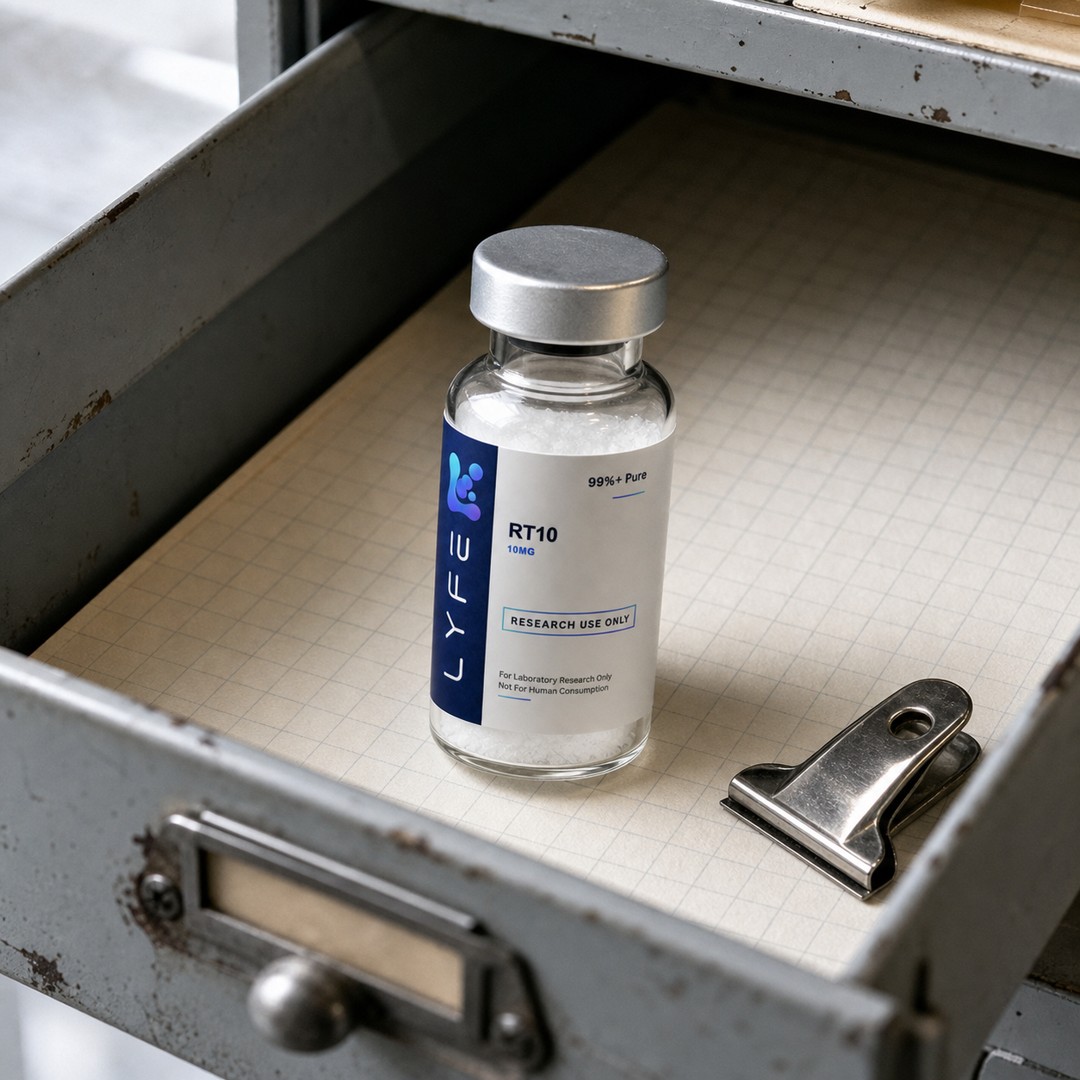
Most research peptides ship as a lyophilised (freeze-dried) powder or cake. Appearance varies by compound and by how the material was dried. You may see:
- A solid white or off-white cake sitting at the bottom.
- A thin film or flakes coating the sides of the vial.
- A loose, fluffy powder.
All of these can be normal. A cake that has broken loose and rattles is common after shipping and does not, by itself, indicate a problem.
When colour is a concern
Colour is one of the more useful signals. A pronounced yellow, brown, or otherwise unusual tint in a compound that should be white can point to degradation or a manufacturing issue. Note that some compounds are an exception: copper-based peptides such as GHK-Cu are naturally blue because of the copper in the molecule, so a blue tint there is expected, not a fault.
Physical damage in transit
Cracked glass, a dislodged stopper, or a vial that has lost its seal all compromise the contents. Even if the material inside looks fine, a broken seal exposes it to air and moisture. Damaged glass should never be handled or used.
Storage and appearance
How a vial was stored and shipped affects what you see. Lyophilised peptides are relatively stable but still benefit from cool, dark handling and prompt shipping. A supplier that dispatches quickly and packs vials to protect them reduces the chance of a compromised arrival.
A quick inspection checklist
| Sign | What it may mean |
|---|---|
| Shifted or loose cake | Usually normal after transit |
| White or off-white powder | Expected for most compounds |
| Blue tint (GHK-Cu) | Normal, from the copper |
| Yellow or brown tint (should be white) | Possible degradation, flag it |
| Cracked glass or broken seal | Compromised, do not use |
Handling a vial you plan to keep
If a vial passes inspection, a little care keeps it that way. Lyophilised peptides do best kept cool, dark, and dry until you are ready to work with them, and they should not be left sitting in a warm room or in direct light. Keep the vial upright, avoid unnecessary handling of the stopper, and note the lot number against the COA you received so the two always stay matched. Good habits at this stage protect the material you just paid for.
How to report a problem
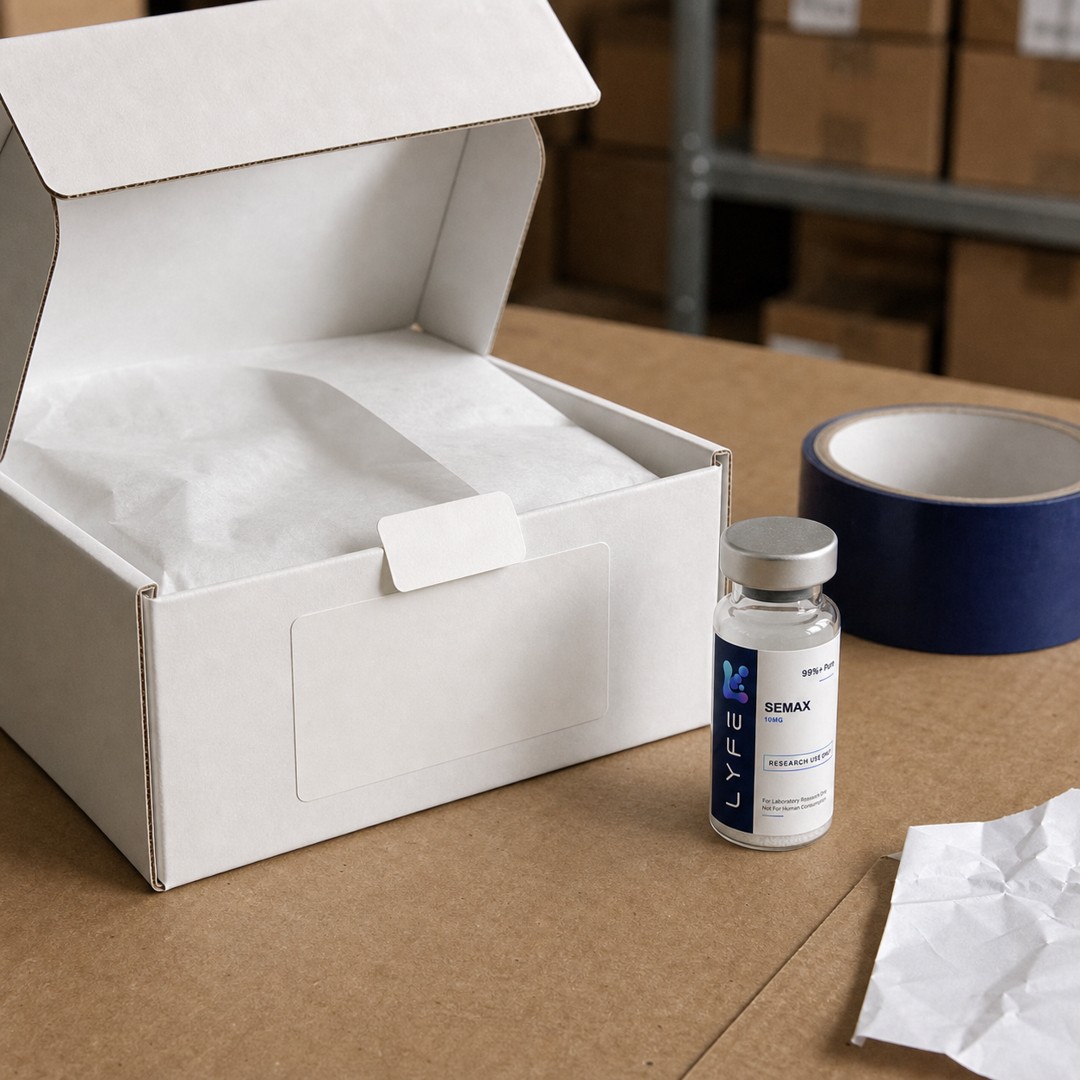
If a vial arrives cracked, unsealed, or clearly discoloured, document it. Take clear photos of the vial and the packaging right away, and contact your supplier promptly. LYFE Science asks customers to report shipping issues within 48 hours with photos, which lets us look into the batch and make it right.
Buy from a source that ships carefully
LYFE Science is a Canadian supplier shipping Canada-wide by Canada Post, with neutral packaging, same-day dispatch on orders paid before noon Eastern, and a COA available per lot verified by HPLC and mass spectrometry. Careful storage and fast dispatch mean fewer surprises when your box arrives.
Follow along
Research, lab-side
@lyfe_science →