Blog
Peptide Vial Sizes Explained: mg, Concentration, Value

Peptides are sold by the milligram, and vial sizes vary from compound to compound. If you have ever wondered why one product comes in a 5 mg vial and another in 50 mg, or how to compare value across sizes, this guide breaks down what the numbers mean and how to read them.
What the mg figure really means
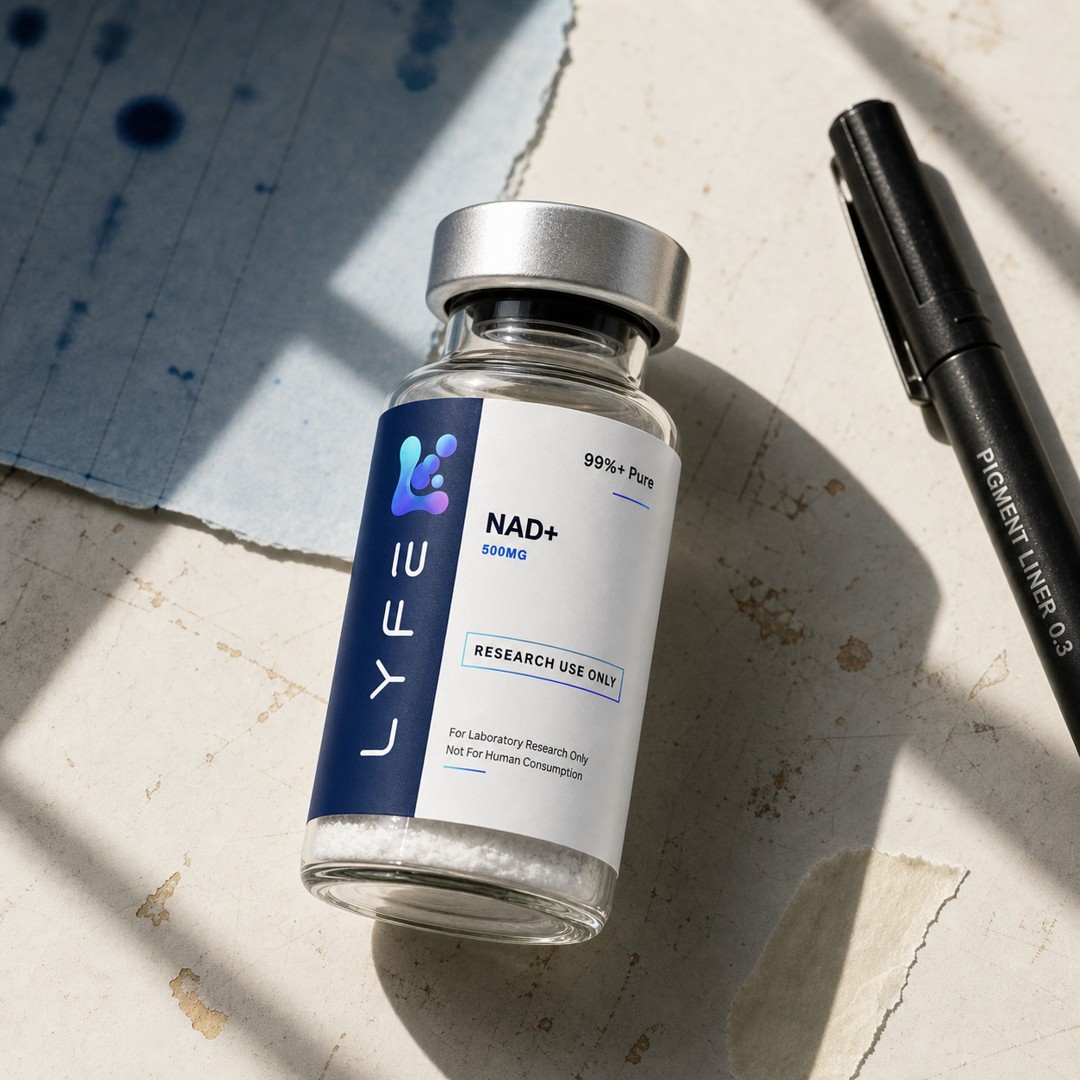
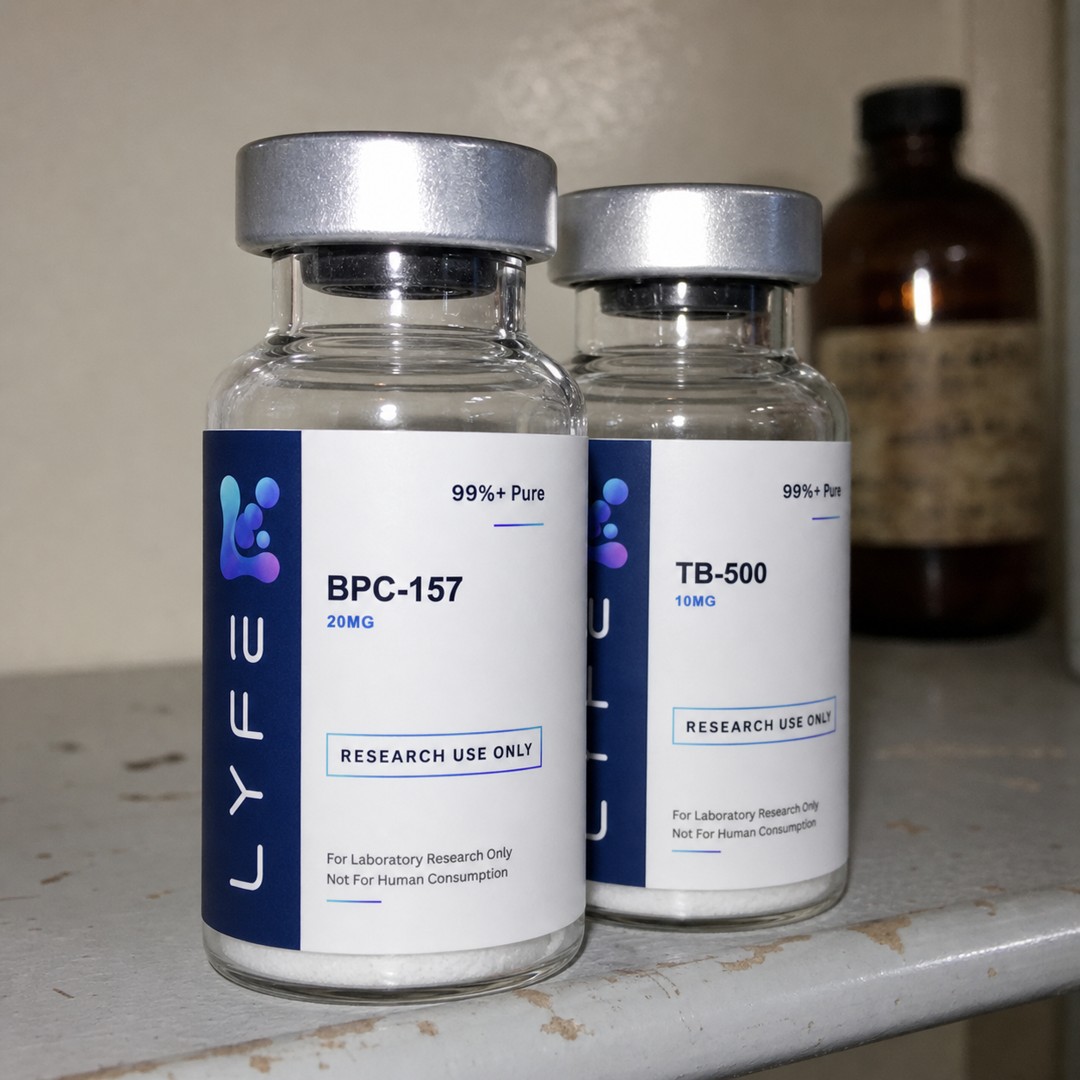
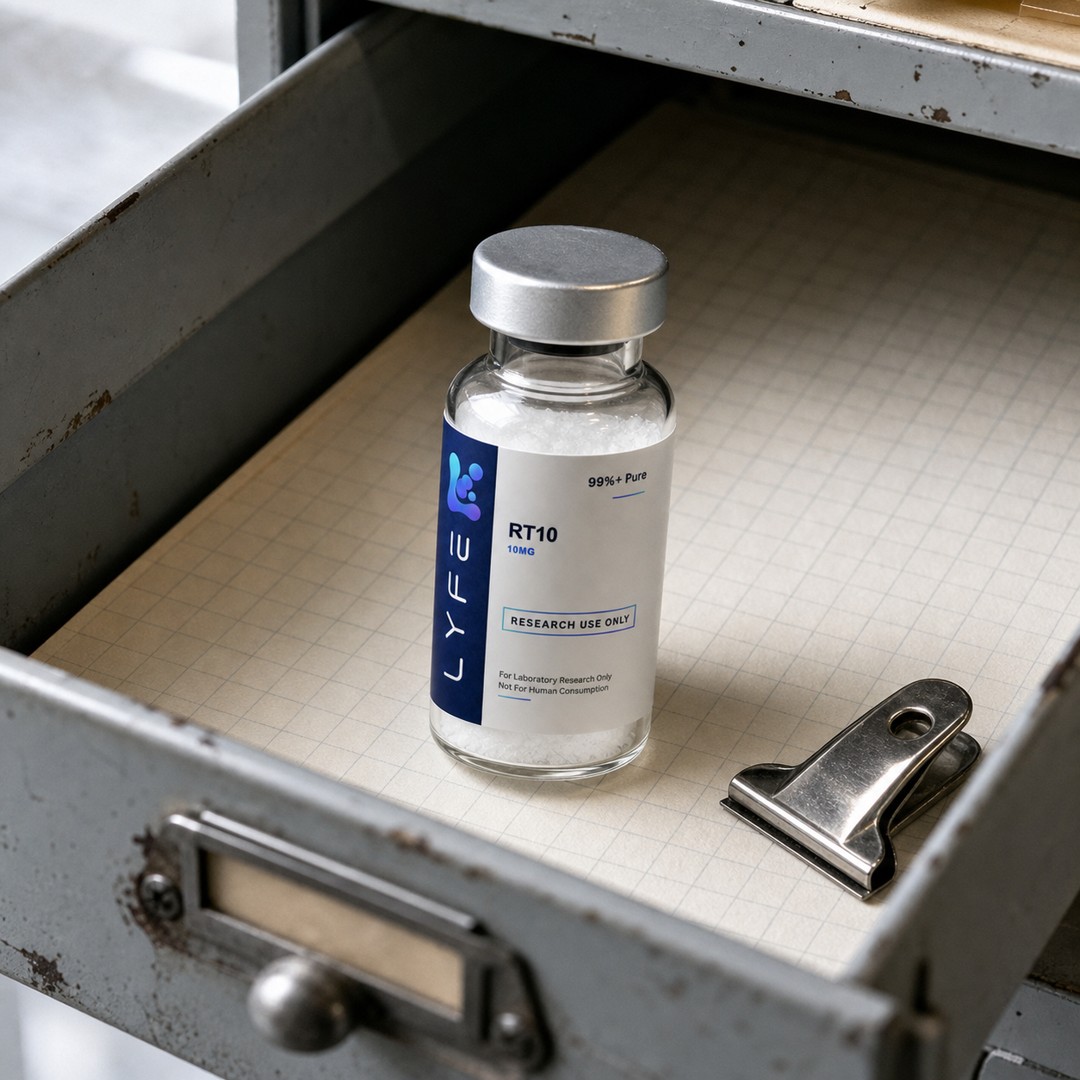
The milligram number on a vial is the mass of lyophilised (freeze-dried) peptide inside, not a volume and not a “dose.” A 10 mg vial contains ten milligrams of dried peptide; a 50 mg vial contains fifty. That dried cake is what you see at the bottom of the glass before anything is added.
Common vial sizes
Different compounds ship in different standard sizes, driven by how they are typically studied and by cost per milligram. You will commonly encounter:
- Smaller vials, often in the 2 mg to 10 mg range.
- Mid-range vials around 10 mg to 30 mg.
- Larger vials of 50 mg or more for compounds studied at higher quantities.
Neither larger nor smaller is inherently “better.” The right size depends on the compound and how much you need on hand.
Concentration is a separate idea
Here is where people get tripped up: the mg on the label tells you how much peptide is in the vial, but concentration only comes into play once a lyophilised peptide is reconstituted with a suitable liquid. Concentration is mass divided by volume. The same 10 mg vial can be brought to very different concentrations depending on how much liquid is added, so vial size and concentration are two different things.
A useful way to think about it:
| Term | What it describes |
|---|---|
| Vial size (mg) | Total mass of peptide in the vial |
| Volume | Amount of liquid added on reconstitution |
| Concentration | Mass per volume, set once liquid is added |
Comparing value across sizes
Because peptides are priced by mass, the fairest way to compare products is cost per milligram, not sticker price. A larger vial often carries a lower cost per milligram, the same way bulk sizing works in other markets, but that is only worth it if you will actually use it. Divide the price by the milligrams to get a like-for-like figure, then compare.
- Note the vial size in mg.
- Divide the price by the milligrams for a cost-per-mg figure.
- Compare that number across suppliers and sizes.
- Factor in shipping: a threshold for free shipping can change the maths.
Why bigger is not always better
It is tempting to reach for the largest vial to drive down the cost per milligram, but size should follow need, not the other way around. Peptides are sensitive to heat, light, and moisture, and a vial that sits around for a long time is exposed to more opportunities to degrade than one used within a sensible window. Buying more than you will realistically get through can mean paying for material that loses quality on the shelf. Weigh the per-milligram saving against how much you will actually use, and let that decide the size rather than the headline price alone.
Purity matters as much as size
A big vial of poorly characterised material is not a bargain. Whatever the size, what counts is that the stated milligrams are actually present and the peptide is what it claims to be. That is confirmed by a lot-specific certificate of analysis, ideally with HPLC and mass-spectrometry data. Always read the mg figure and the purity data together.
Buying in Canada
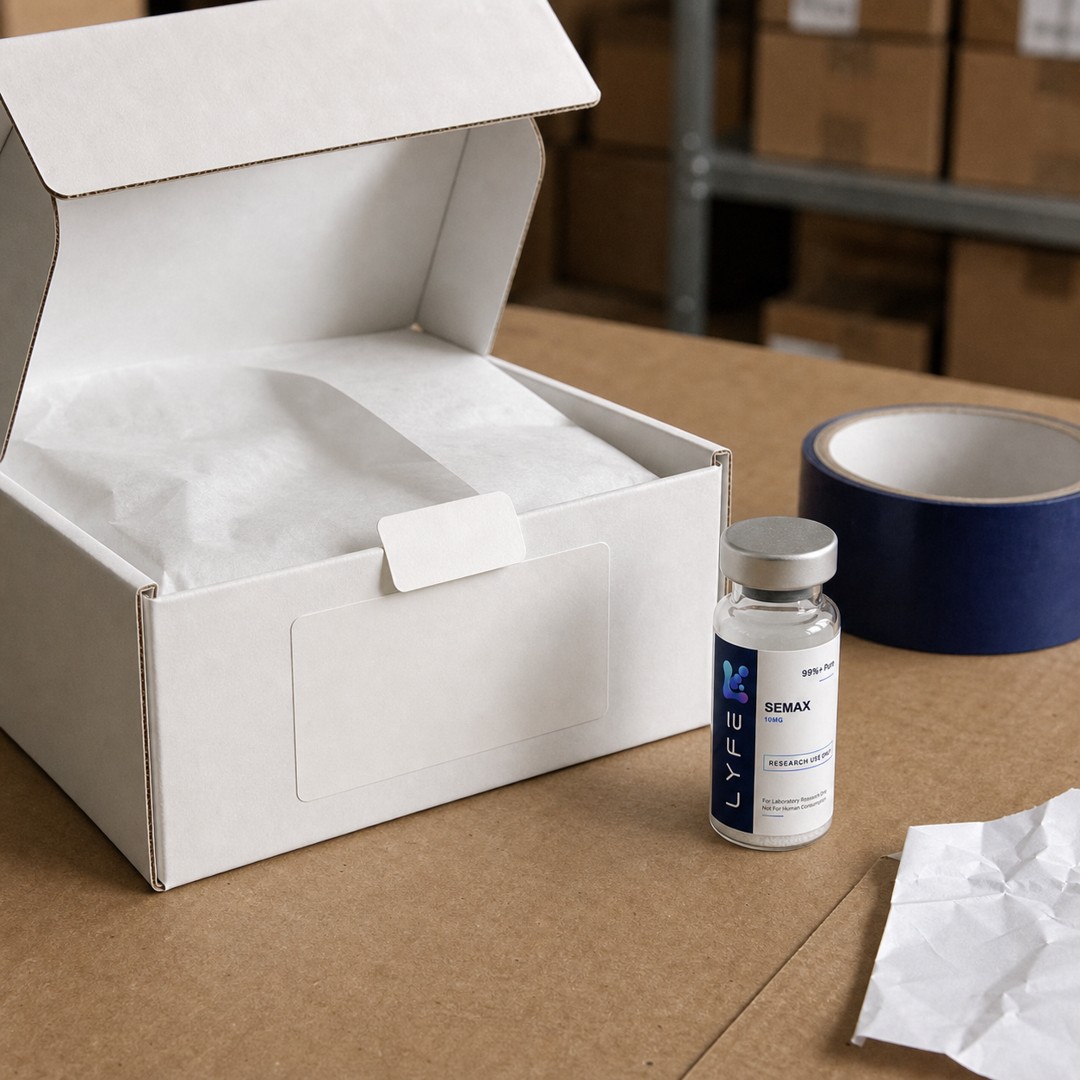
LYFE Science is a Canadian supplier shipping Canada-wide by Canada Post: flat $25 shipping and free over $150, so it can be worth reaching that threshold in one order. Every lot is checked by HPLC and mass spectrometry with a COA available per lot, and packaging is neutral. Payment is by Interac e-Transfer or crypto.
Follow along
Research, lab-side
@lyfe_science →