Blog
FDA PCAC Peptide Review: What It Means

Regulatory news travels fast in the peptide world, and a review by the US Food and Drug Administration’s Pharmacy Compounding Advisory Committee (PCAC) is the kind of event that gets researchers and suppliers paying close attention. If you buy research peptides in Canada, it is worth understanding what a PCAC review is, why it matters, and what it does and does not change for you.
What the PCAC actually is
The Pharmacy Compounding Advisory Committee is an advisory body that provides recommendations to the FDA on compounding-related questions. A key part of its work is reviewing substances proposed for the list of bulk drug substances that compounding pharmacies may use. When the committee meets to review peptides, it is weighing whether particular compounds should be permitted, restricted, or kept off that list for compounding purposes.
Two points are important. First, the committee is advisory: it recommends, and the FDA decides. Second, its remit is compounding, meaning the preparation of customised medications by pharmacies, not the entire research supply chain.
Why peptides are under review
Peptides have surged in popularity across research and clinical interest, and regulators are working to catch up. A compounding review typically looks at questions such as:
- Is there sufficient characterisation and quality data for the substance?
- What is known about safety when compounded and administered?
- Are there manufacturing or immunogenicity concerns specific to peptides?
Because peptides span a huge range of sizes and complexity, regulators tend to treat them case by case rather than as a single class. That is why a review can reach different conclusions for different compounds.
What it means for the market
When a committee signals caution on a compound for compounding, it can influence how clinics and compounding pharmacies handle that substance. It shapes the regulatory tone around a compound and can affect availability through pharmacy channels. What it generally does not do is rewrite the rules for research-grade material sourced for laboratory study, which sits under a different framework.
The Canadian angle
It is easy to forget that the FDA is a US regulator. In Canada, oversight sits with Health Canada, which has its own framework and its own decisions. US regulatory news is informative and often foreshadows broader shifts, but it does not directly set Canadian rules. Canadian researchers should follow both, while recognising the distinction.
For anyone sourcing peptides for research, the practical implication of any regulatory review is the same: buy from suppliers who can document exactly what they are selling. Regulatory scrutiny rewards transparency and quality data, and penalises vague or undocumented product.
How to stay on the right footing
- Insist on analytical verification. HPLC and mass spectrometry results, with a certificate of analysis per lot, prove identity and purity.
- Keep clear records. Lot numbers and COAs make your own work defensible.
- Follow the regulators directly. Read primary announcements rather than second-hand summaries.
Buying research peptides in Canada
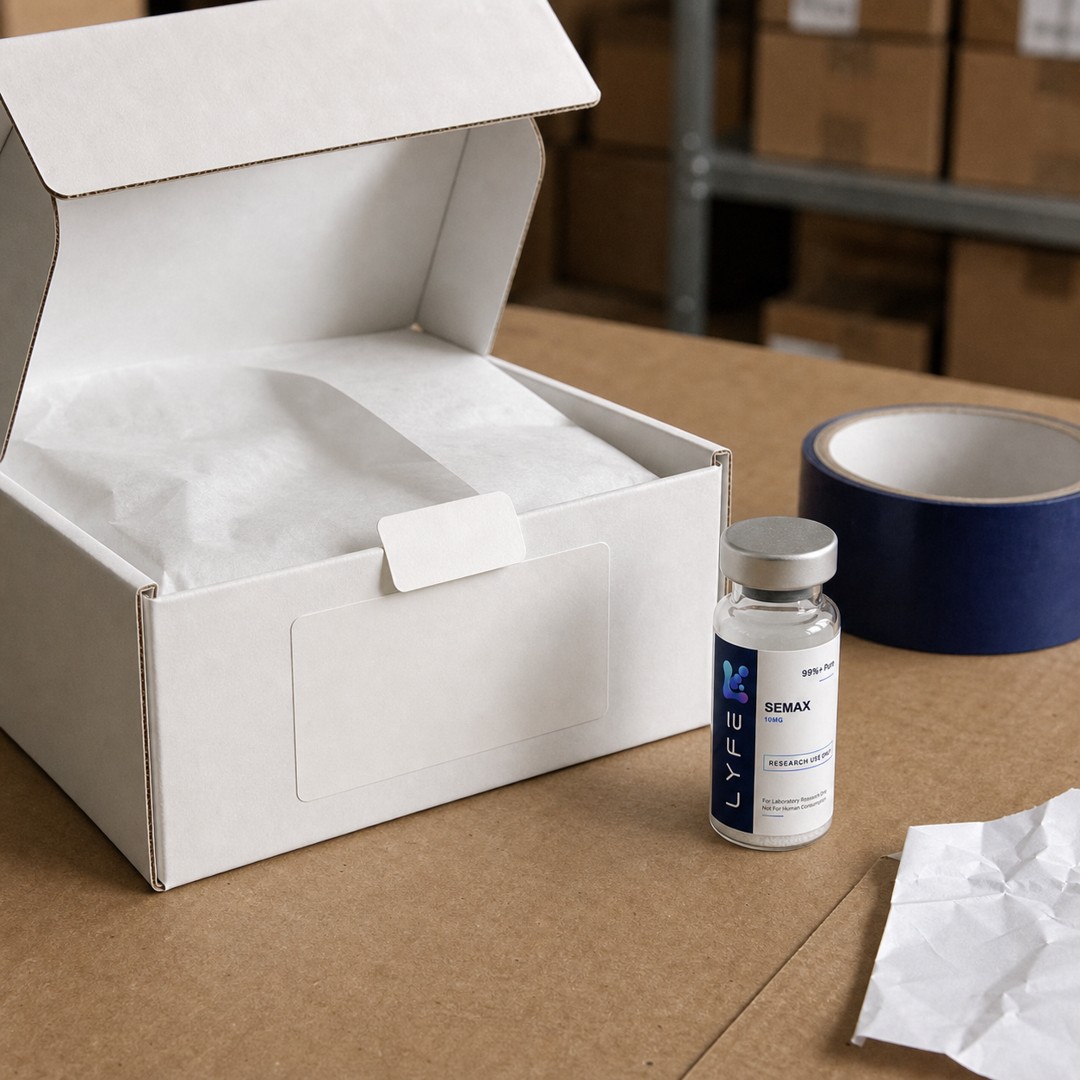
LYFE Science is a Canadian supplier shipping nationwide by Canada Post. Every lot is verified by HPLC and mass spectrometry with a COA available per lot, and orders ship in neutral packaging. Shipping is a flat $25 and free over $150, with same-day dispatch when paid before noon Eastern and typical delivery of one to three business days for most of Canada. Payment is by Interac e-Transfer or crypto (BTC, ETH, SOL, USDC, USDT).
Regulatory reviews are a healthy sign of a maturing field. The best response is not alarm, but rigour: know your compounds, keep your documentation, and source from suppliers who can back up what they sell.
Buy research peptides in Canada or read the peptide guide to understand verification and COAs.
Follow along
Research, lab-side
@lyfe_science →