Blog
NAD+ vs NMN vs NR: The Clear Comparison

If you have spent any time reading about cellular energy or aging research, you have run into three closely related names: NAD+, NMN, and NR. They are constantly mentioned together, often as if interchangeable, but they are not the same thing. This guide lays out what each one is, how they relate, and what actually distinguishes them, so you can make sense of the research and source them confidently in Canada.
Start with NAD+
NAD+ (nicotinamide adenine dinucleotide) is the destination. It is the coenzyme cells rely on to move electrons through metabolism and to fuel enzymes like sirtuins and PARPs. Everything else in this comparison exists because cells need a reliable way to make and replenish NAD+. NMN and NR are both precursors, molecules the cell converts into NAD+.
What is NMN?
NMN stands for nicotinamide mononucleotide. Structurally it sits just one step away from NAD+ in the salvage pathway, the cell’s main recycling route for building NAD+. Because it is so close to the finished product, NMN is often described as a direct precursor. It is a larger, phosphorylated molecule, and much of the research interest centres on how efficiently cells take it up and convert it.
What is NR?
NR stands for nicotinamide riboside. It sits one step further back than NMN: cells first convert NR into NMN, and then NMN into NAD+. NR is a smaller molecule without the phosphate group that NMN carries, and that difference in size and charge affects how it crosses cell membranes. NR has been the subject of a large body of published research and is frequently studied alongside NMN as a point of comparison.
How they fit together
| Compound | Role | Position in pathway | Key trait |
|---|---|---|---|
| NAD+ | Active coenzyme | End product | Used directly by metabolism and signalling enzymes |
| NMN | Precursor | One step from NAD+ | Phosphorylated, larger molecule |
| NR | Precursor | Two steps from NAD+ (via NMN) | Smaller, no phosphate group |
Why not just use NAD+ directly?
It is a fair question. Part of the reason precursors get so much attention is that the large, charged NAD+ molecule does not move across cell membranes as freely as its smaller building blocks. Studying the precursors lets researchers probe how the salvage pathway responds and how each entry point affects the NAD+ pool. This is exactly the kind of mechanistic question that makes the NMN-versus-NR debate an active research area rather than a settled one.
Stability and storage
All three compounds share a practical weakness: they are hygroscopic and degrade with heat and humidity. That is true of the finished coenzyme and of both precursors. In powder form they are far more stable than in solution, which is why they ship dry and are kept cold. Whether you are working with NAD+, NMN, or NR, the handling rules are effectively the same, and a supplier that documents purity per lot removes the guesswork about whether a batch arrived intact.
Which one should a study use?
There is no universal answer, and reputable sources avoid claiming one is simply better. The right choice depends on the research question: whether you are interested in the step closest to NAD+ (NMN), the upstream entry point (NR), or the coenzyme itself (NAD+). Many labs work with more than one to compare pathways side by side, precisely because the differences between them are the point of study rather than a nuisance to control for.
Sourcing NAD+, NMN and NR in Canada
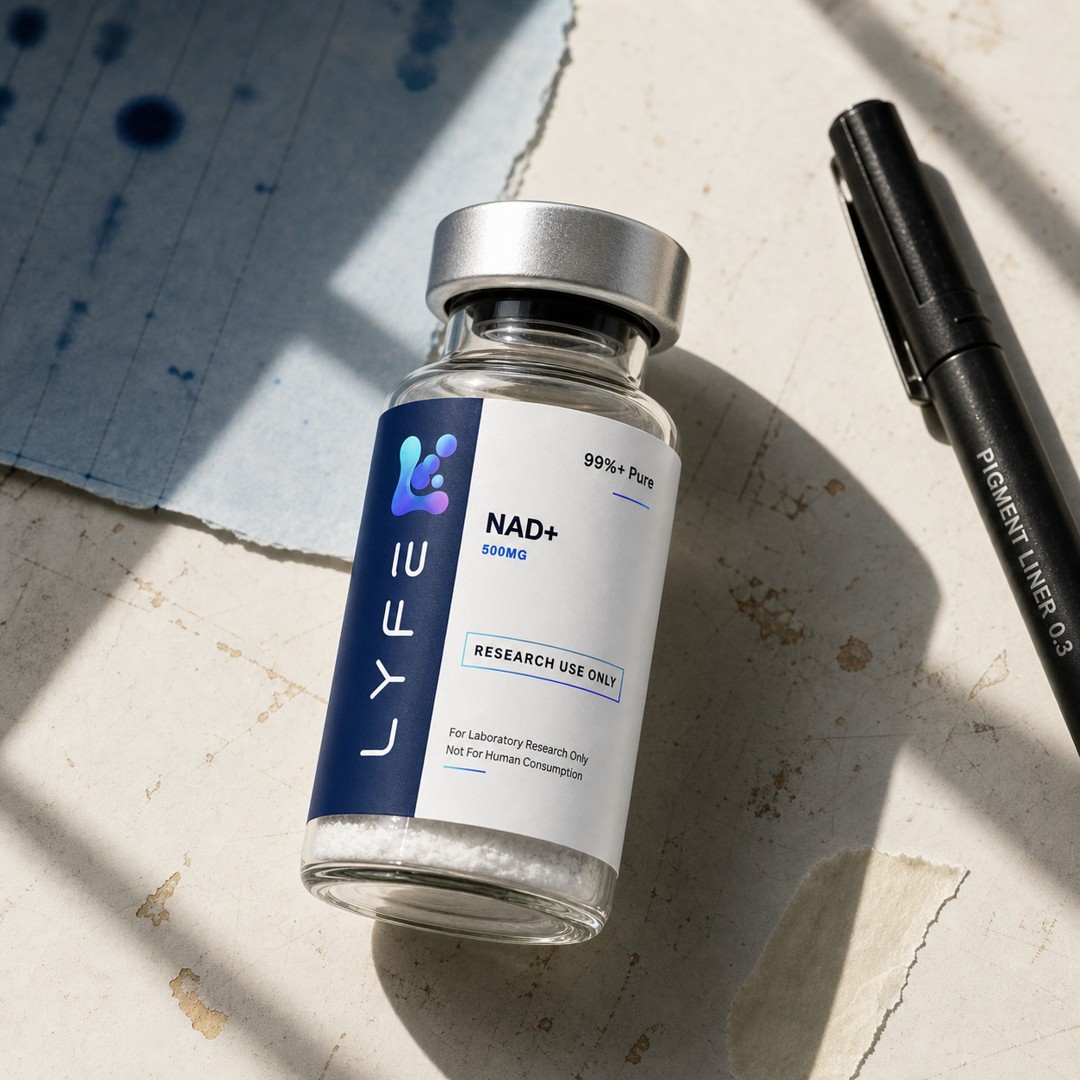
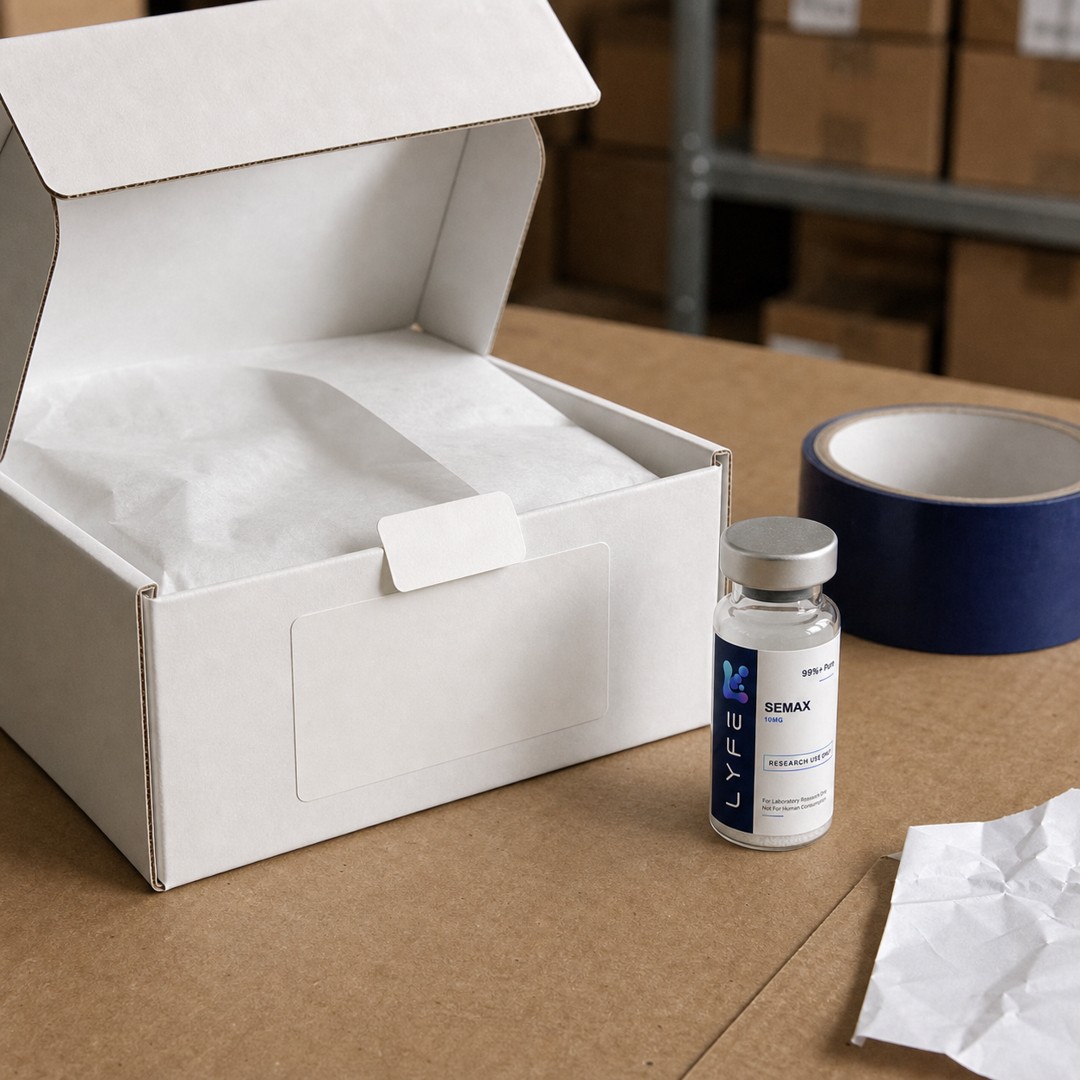
Whichever compound a protocol calls for, quality control is what separates a usable result from a wasted one. These molecules are hygroscopic and heat-sensitive, so identity and purity should be confirmed by HPLC and mass spectrometry, with a certificate of analysis available for the lot. LYFE Science is a Canadian supplier that verifies compounds this way and ships nationwide by Canada Post: a flat $25, free over $150, neutral packaging, and same-day dispatch on orders paid before noon Eastern. Payment is by Interac e-Transfer or crypto.
New to this area? Our peptide and research compound guide covers the fundamentals. To check current availability, visit the LYFE Science shop.
Follow along
Research, lab-side
@lyfe_science →