Blog
NAD+ and Mitochondrial Research: A Canadian Guide

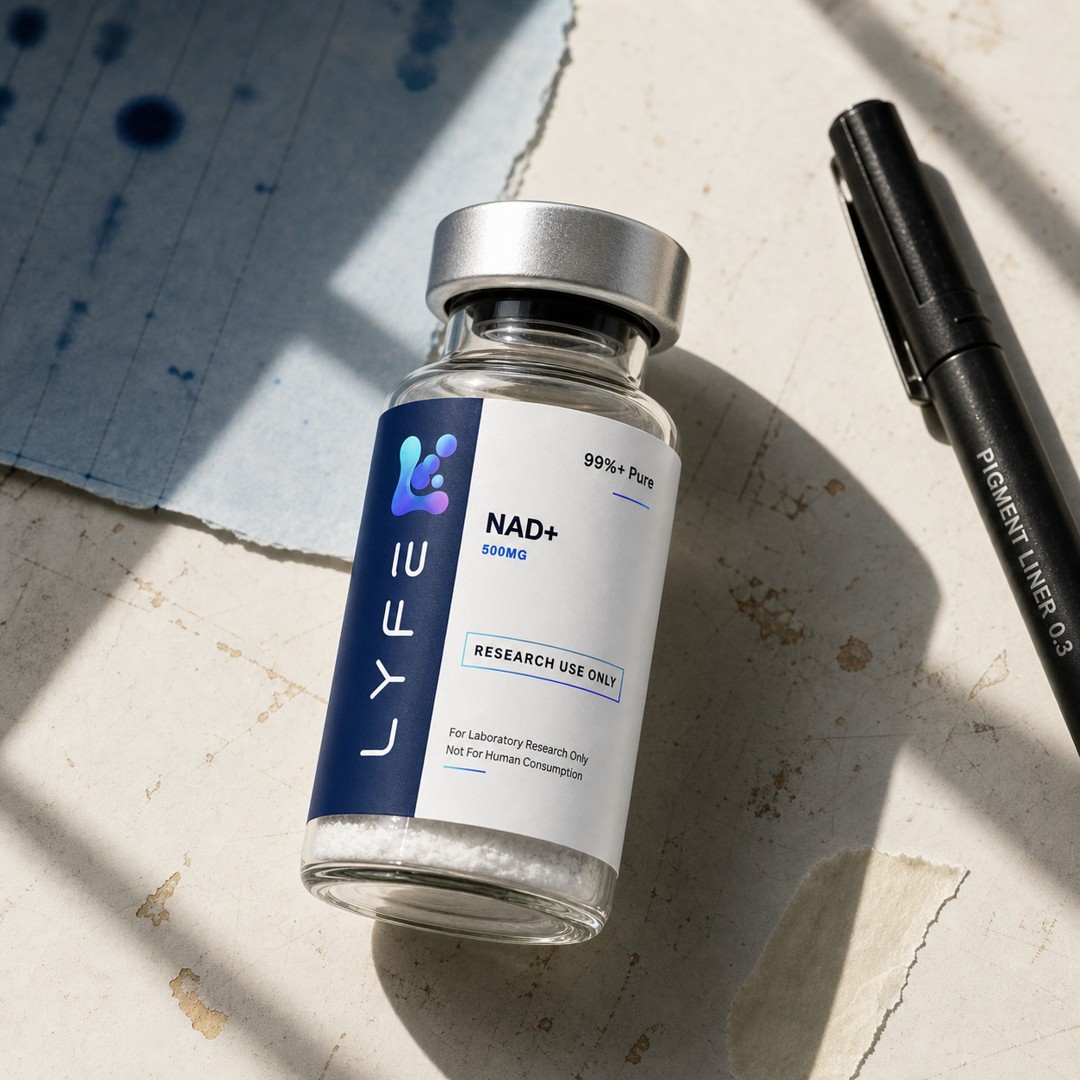
Few molecules are as central to cellular energy as NAD+ (nicotinamide adenine dinucleotide). It sits at the heart of the reactions that let mitochondria turn nutrients into usable energy, and it has become one of the most studied compounds in bioenergetics and aging research. This guide explains what NAD+ does inside the mitochondrion, why researchers care about it, and what to look for when you source NAD+ and related compounds in Canada.
What NAD+ actually is
NAD+ is a coenzyme found in every living cell. It exists in two interchangeable forms: the oxidised form, NAD+, and the reduced form, NADH. The cell constantly shuttles between the two, and that back-and-forth is what makes NAD+ so useful. When a molecule needs to give up electrons, NAD+ accepts them and becomes NADH. When electrons need to be delivered elsewhere, NADH hands them off and reverts to NAD+. This electron-carrying role connects NAD+ to hundreds of metabolic reactions at once.
The mitochondrial connection
Mitochondria are the organelles that produce most of a cell’s ATP, the molecule cells spend as energy. Two of the pathways that feed them, glycolysis and the citric acid cycle, depend on NAD+ to keep running. As nutrients are broken down, NAD+ collects electrons and carries them to the electron transport chain on the inner mitochondrial membrane. There the electrons flow through a series of protein complexes, and the energy released is used to pump protons and ultimately synthesise ATP.
Without a steady supply of NAD+, this whole sequence stalls. That is why researchers studying mitochondrial function, oxidative metabolism, and cellular respiration treat NAD+ levels as a key variable. Changes in the NAD+/NADH ratio are often used as a readout of a cell’s metabolic state.
Beyond energy: signalling roles
NAD+ is not only an electron carrier. It is also consumed by several families of enzymes that regulate the cell. Sirtuins, a group of proteins involved in stress response and gene expression, require NAD+ to function. So do PARP enzymes, which participate in DNA repair, and CD38, which is involved in immune signalling. Because these enzymes literally use up NAD+ as a substrate, their activity is tied to how much NAD+ is available. This dual identity, part metabolic fuel and part signalling currency, is a major reason NAD+ shows up across so many areas of research.
Why NAD+ declines with age
A recurring theme in the literature is that cellular NAD+ tends to fall over a lifespan. Researchers attribute this partly to reduced synthesis and partly to greater consumption by enzymes like CD38 and PARP as cells accumulate damage. This decline is one of the reasons NAD+ biology overlaps so heavily with aging research, and why precursor compounds that may support NAD+ pools have drawn so much attention.
NAD+ and its precursors
Cells can build NAD+ from several starting materials, including tryptophan, nicotinic acid, and the two most-discussed precursors, nicotinamide mononucleotide (NMN) and nicotinamide riboside (NR). Both NMN and NR enter what is called the salvage pathway, a recycling route that reconstitutes NAD+ efficiently. If you are comparing these building blocks, our companion article on NAD+ versus NMN versus NR breaks down how they differ.
What to look for when sourcing
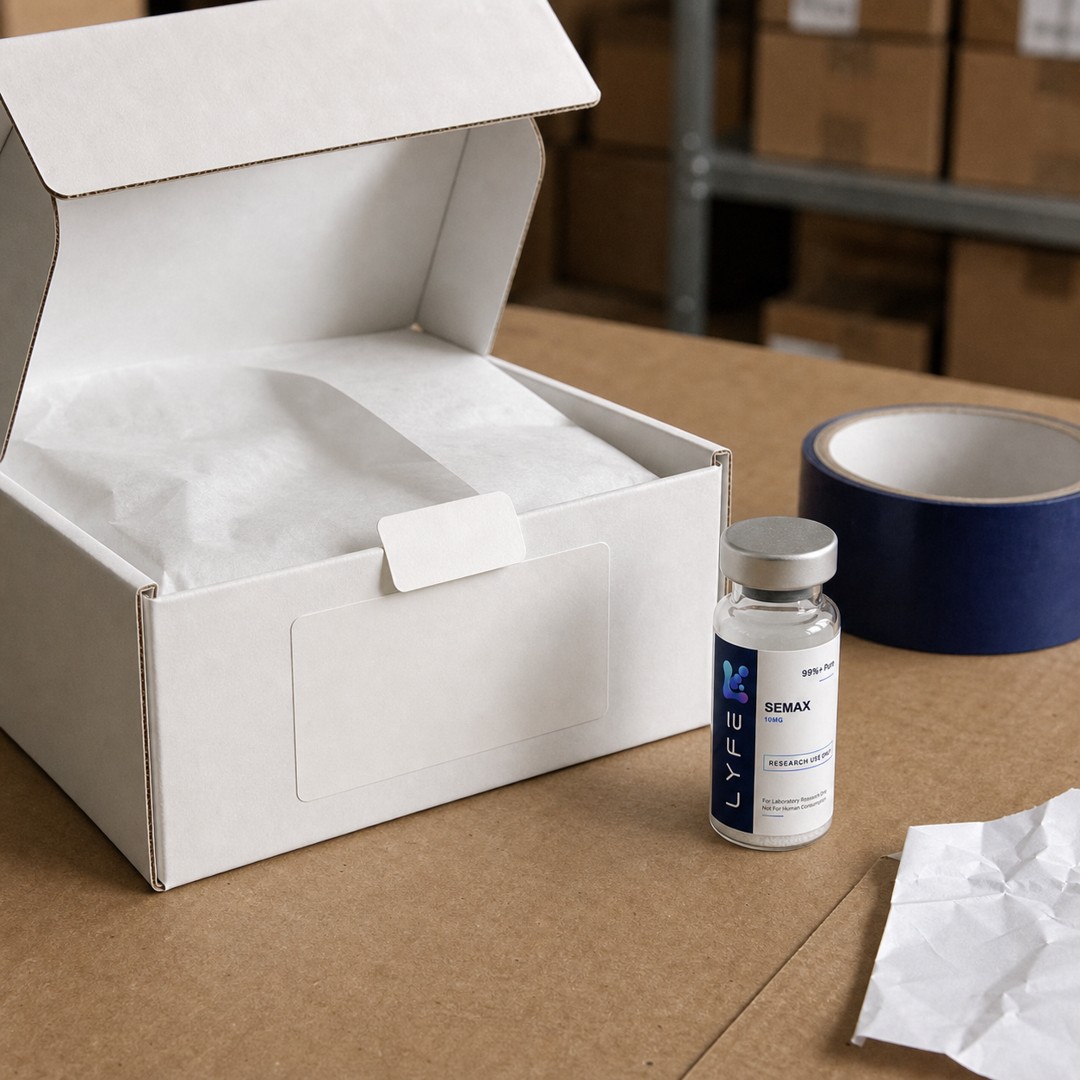
NAD+ and its precursors are sensitive to heat and moisture, so handling and documentation matter. Reputable Canadian suppliers verify identity and purity by HPLC and mass spectrometry and can provide a certificate of analysis for the specific lot you receive. At LYFE Science every compound is checked this way, packaged neutrally, and shipped Canada-wide by Canada Post. Shipping is a flat $25 and free over $150, with same-day dispatch on orders paid before noon Eastern and most of Canada reached in one to three business days. Payment is by Interac e-Transfer or crypto (BTC, ETH, SOL, USDC, USDT).
For a deeper primer on peptides and research compounds, see our peptide guide. To see what is currently in stock, browse the LYFE Science shop.
Follow along
Research, lab-side
@lyfe_science →