Blog
Methionine Oxidation & Peptide Degradation

A peptide is only as good as its stability. You can buy well-characterised material and still end up with unreliable results if it degrades on the bench. One of the most common and most preventable degradation routes is methionine oxidation. This guide explains what it is, why it matters, and how to keep it from quietly wrecking your work.
Why peptides degrade at all
Peptides are chains of amino acids held together by chemical bonds, and those bonds and side chains can react with their environment. The main drivers of degradation are:
- Oxidation of vulnerable side chains.
- Hydrolysis, where water breaks the peptide backbone, especially in solution.
- Aggregation, where molecules clump together and fall out of usable form.
- Deamidation, a slow chemical change at certain residues.
Temperature, light, humidity, pH, and dissolved oxygen all accelerate these processes. Oxidation is where methionine takes centre stage.
What happens when methionine oxidises
Methionine contains a sulphur atom that is chemically easy to oxidise. When it reacts with oxygen, or with reactive oxygen species generated by light and heat, it forms methionine sulphoxide, and under harsher conditions methionine sulphone. This adds oxygen to the molecule and changes its mass and behaviour. For a peptide, even a single oxidised residue can alter folding, binding, and activity in a model, which is exactly what you do not want when you are trying to attribute a result to the peptide itself.
Methionine is the most oxidation-prone common residue, but it is not alone. Cysteine and tryptophan are also sensitive, so a peptide containing several of these residues deserves extra care.
How to slow it down
The practical controls are the same ones that protect peptides generally, and they are worth treating as habits rather than afterthoughts:
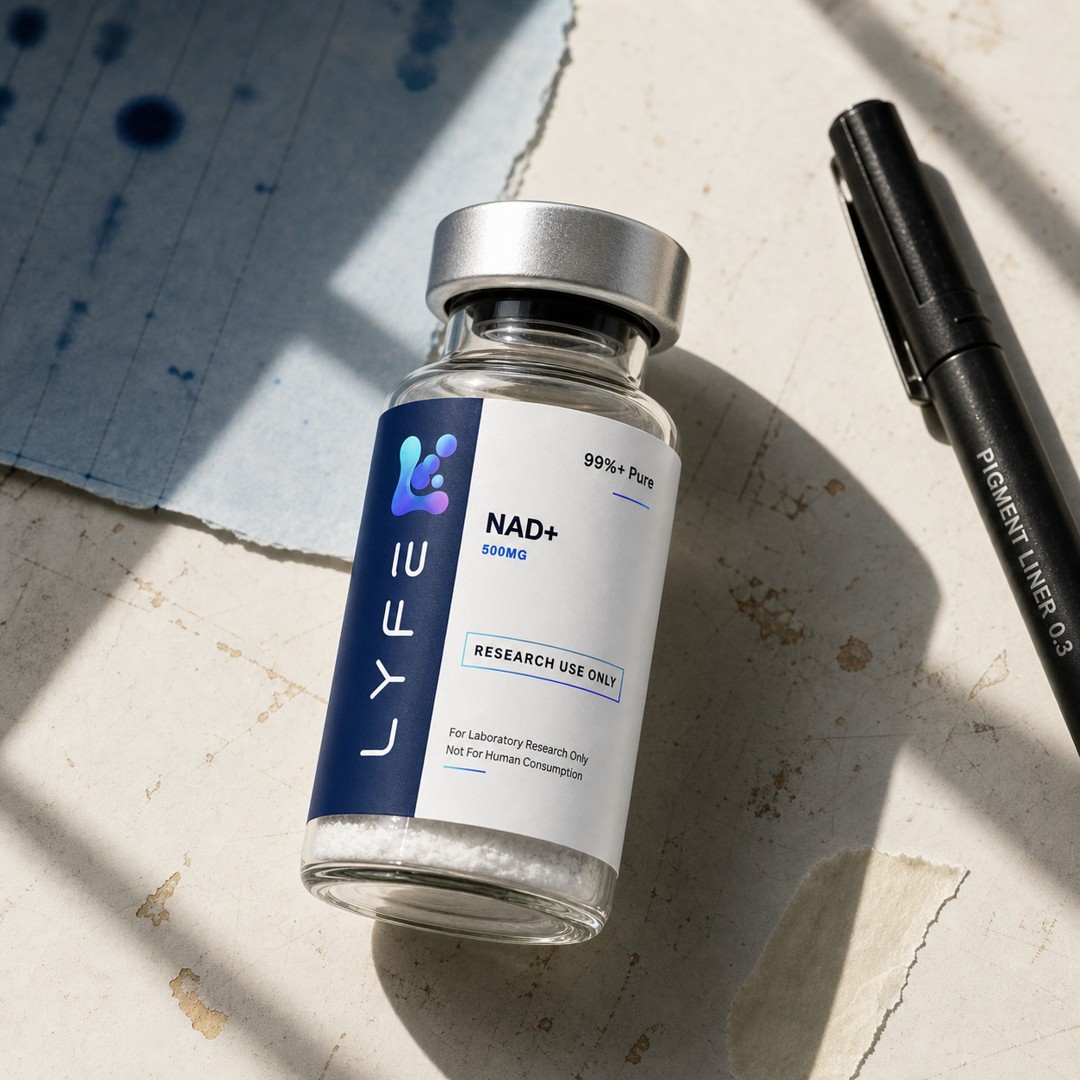
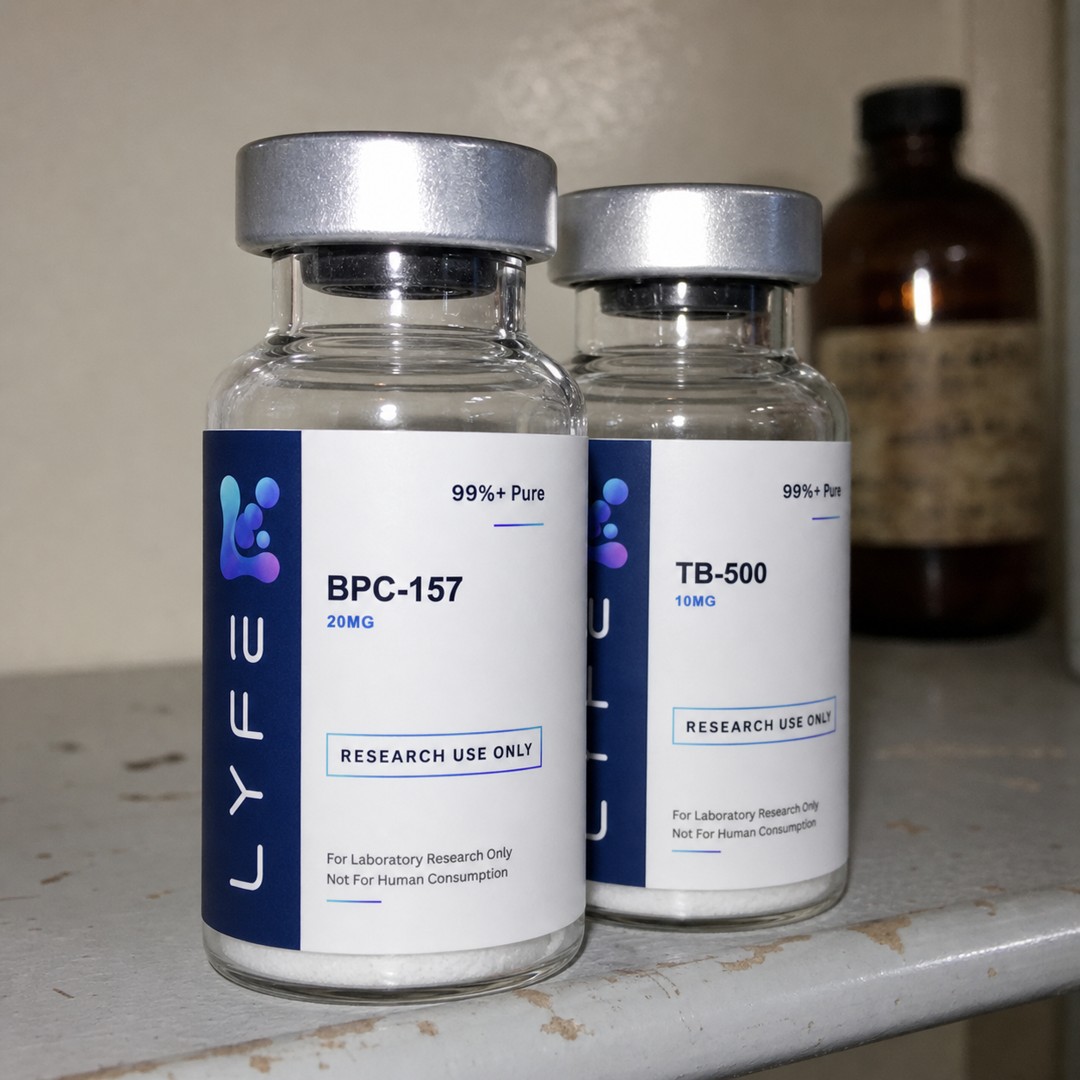
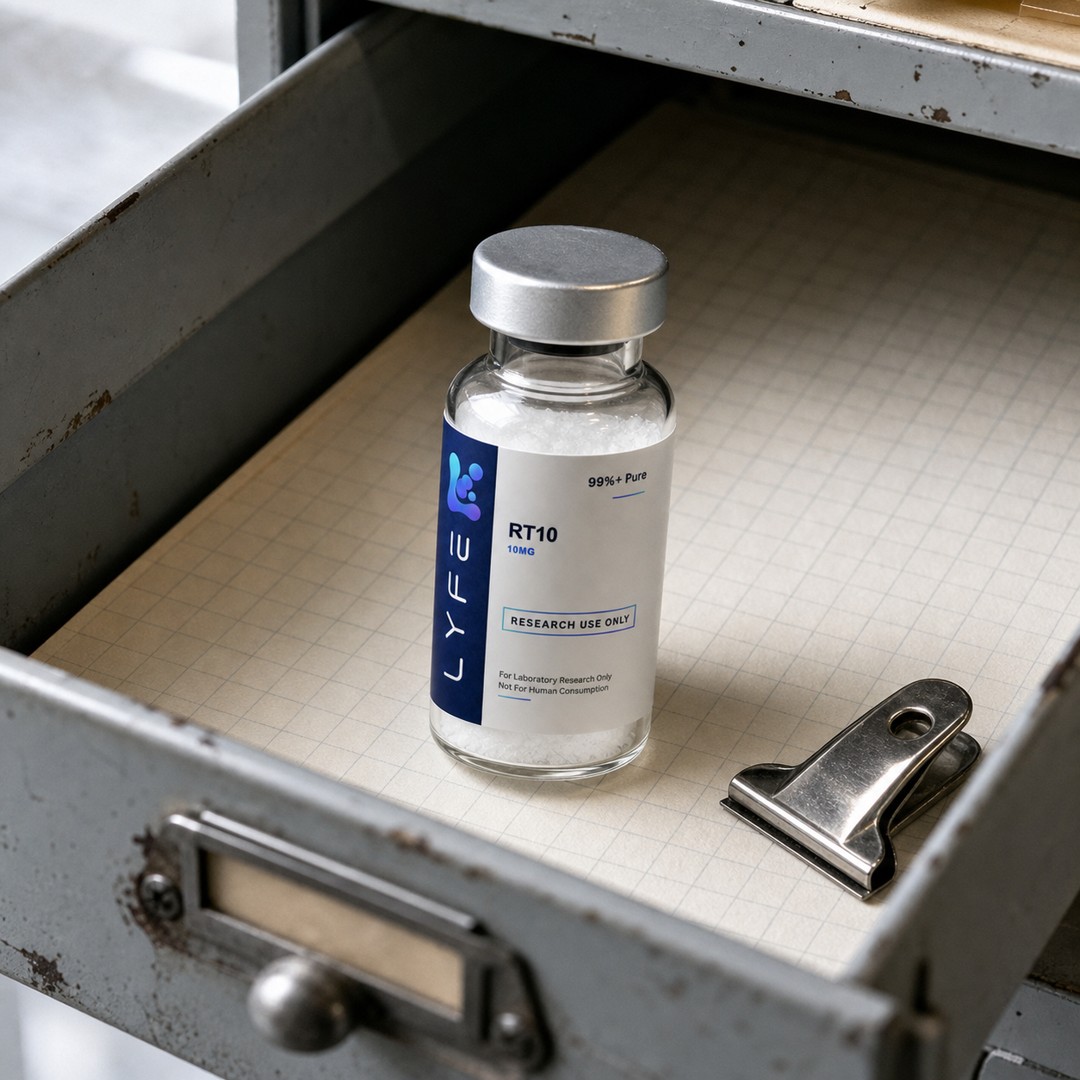
- Store lyophilised. A dry, freeze-dried powder degrades far more slowly than material in solution. Keep peptides lyophilised until a study needs them.
- Keep it cold and stable. Cold storage slows reactions, but repeated freeze-thaw cycling is its own stressor. Aliquot so you thaw only what you need.
- Exclude light and air. Light and dissolved oxygen both feed oxidation. Sealed, opaque, well-filled containers help.
- Control moisture. Humidity drives hydrolysis and can promote oxidation; a desiccated environment is safer.
- Reconstitute thoughtfully. Once in solution, a peptide is far more exposed. Prepare working solutions close to when they are needed and keep them cold and dark.
How degradation is detected
You cannot see oxidation by looking at a vial, which is why analytical methods matter. Two techniques do the heavy lifting:
- HPLC (high-performance liquid chromatography) separates a sample into its components. An oxidised peptide behaves differently from the intact molecule and shows up as a separate peak, so extra peaks or a shrinking main peak are a warning sign.
- Mass spectrometry measures molecular mass precisely. Because oxidation adds oxygen atoms, a methionine sulphoxide shows up as a characteristic mass increase, giving a direct readout of the modification.
Together they confirm both purity and identity, which is why a credible certificate of analysis (COA) leans on both. When you read a COA, you are essentially reading the evidence that oxidation and other degradation have been checked for.
Why sourcing is part of stability
Stability starts before a peptide reaches your bench. Material that is properly lyophilised, verified, and shipped under controlled conditions arrives in better shape than material that has spent weeks in uncontrolled transit. A domestic supply chain shortens that exposure.
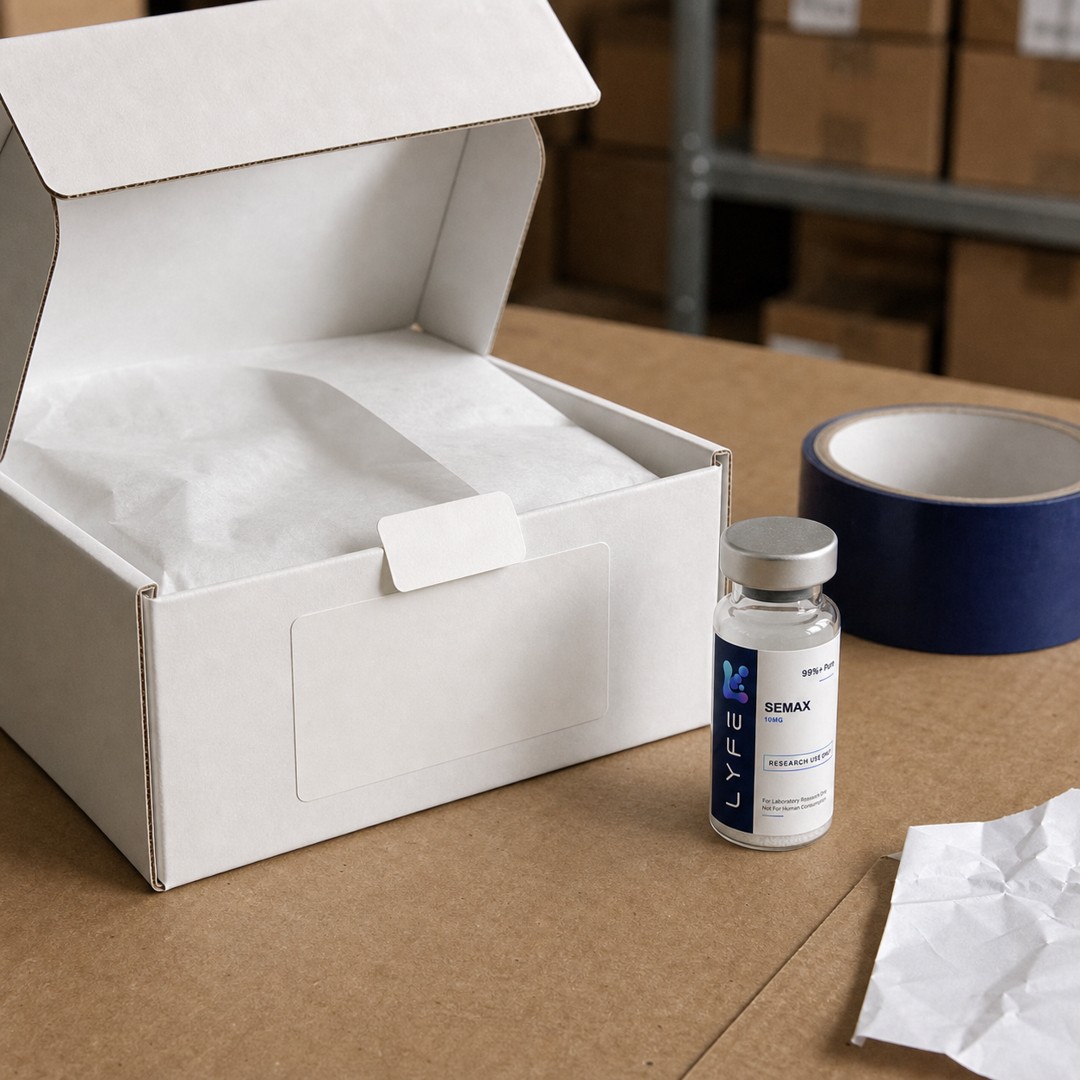
LYFE Science is a Canadian supplier that verifies identity and purity by HPLC and mass spectrometry, with a COA available per lot. Shipping is Canada-wide by Canada Post: flat $25, free over $150, neutral packaging, same-day dispatch before noon ET, and 1 to 3 business days to most of Canada. Payment is by Interac e-Transfer or crypto (BTC, ETH, SOL, USDC, USDT).
For more on reading a COA and handling material well, see the peptide guide.
Follow along
Research, lab-side
@lyfe_science →