Blog
How to Spot Fake Peptides in Canada

The peptide market has grown quickly, and so has the number of sellers cutting corners. Counterfeit, mislabelled and underdosed vials are the single biggest frustration for Canadian buyers, because you cannot judge a white powder by eye. Learning to read the signals before you order protects both your money and the integrity of your work.
Why fakes and underdosed vials exist
Peptides are expensive to synthesise and purify correctly. Some sellers dilute the active material with filler, skip proper purification, or ship a completely different compound that is cheaper to make. Others are simply reselling unverified stock they never tested themselves. In every case the shortcut is invisible on the label, which is exactly why documentation and supplier transparency matter more than marketing.
Red flags before you buy
- No certificate of analysis. A serious supplier can show a lot-specific COA on request. A stock photo of a generic certificate, or none at all, is a warning sign.
- Prices that seem too good. If a vial is priced far below everyone else, the material inside is usually the reason.
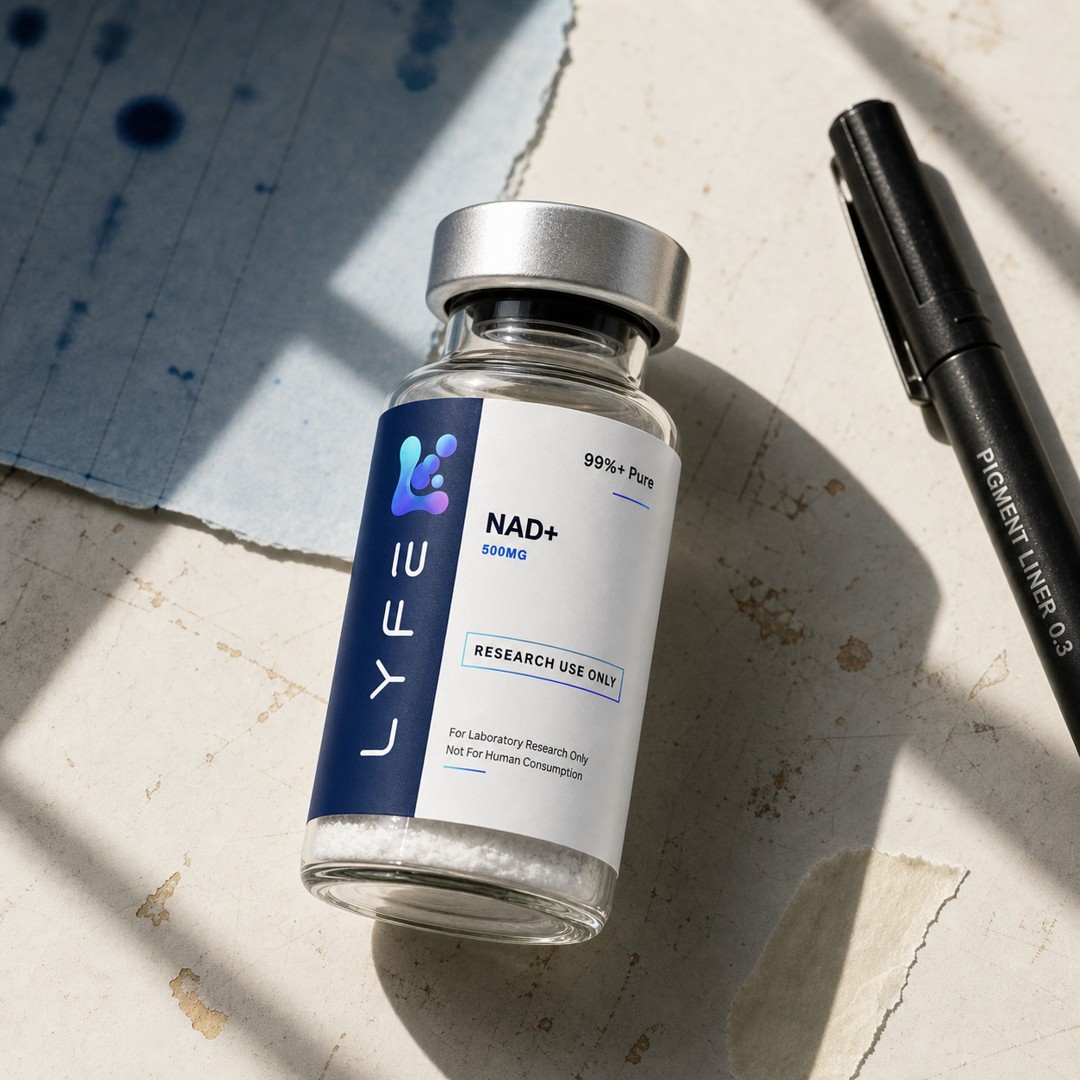
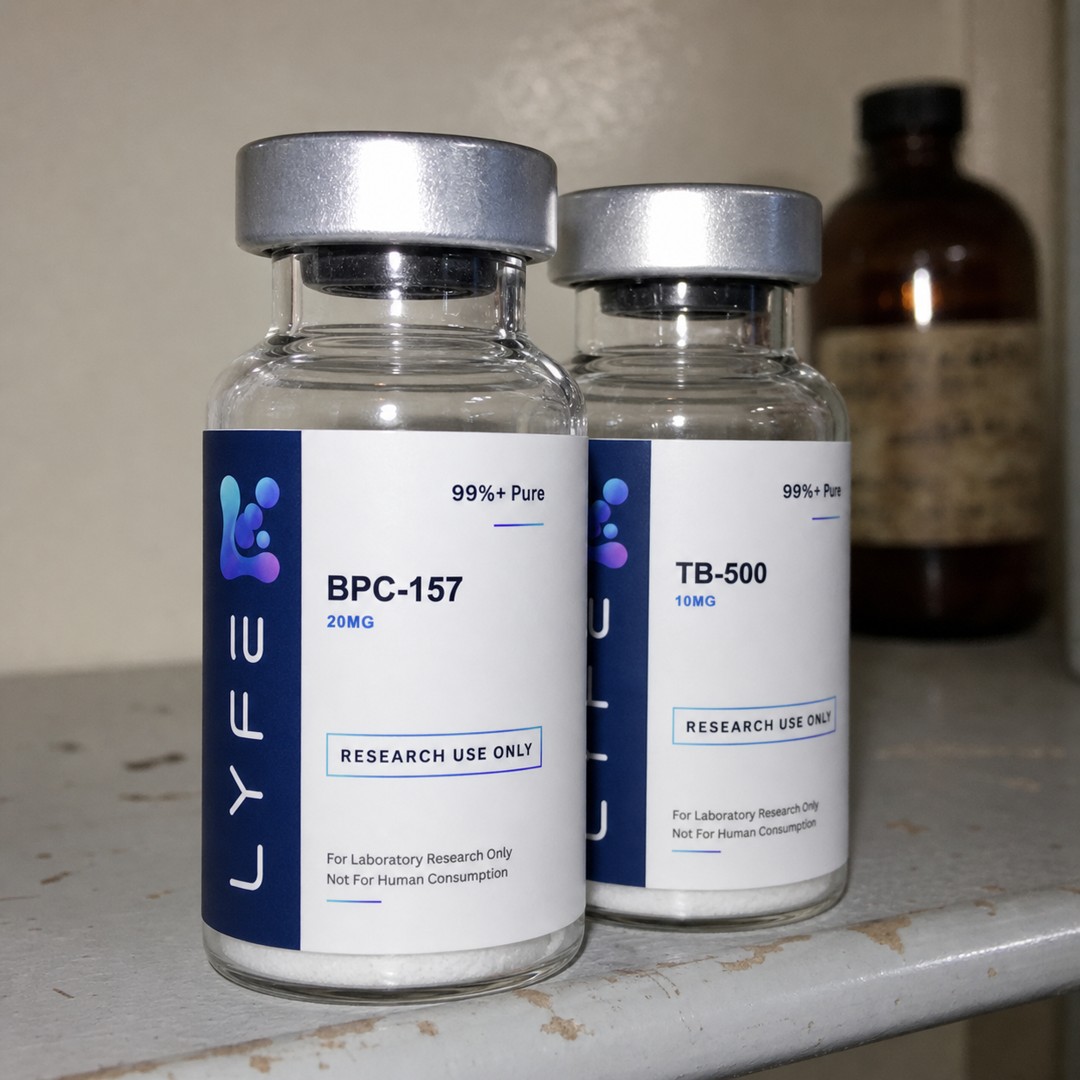
- Vague labelling. Missing lot numbers, no stated quantity, or a name that does not match any recognised compound.
- No test method named. Look for suppliers who state how purity is measured, such as HPLC paired with mass spectrometry, rather than a bare percentage with no source.
- Opaque business details. No Canadian shipping information, no way to reach a human, or payment channels that offer you no recourse.
What the vial itself can tell you
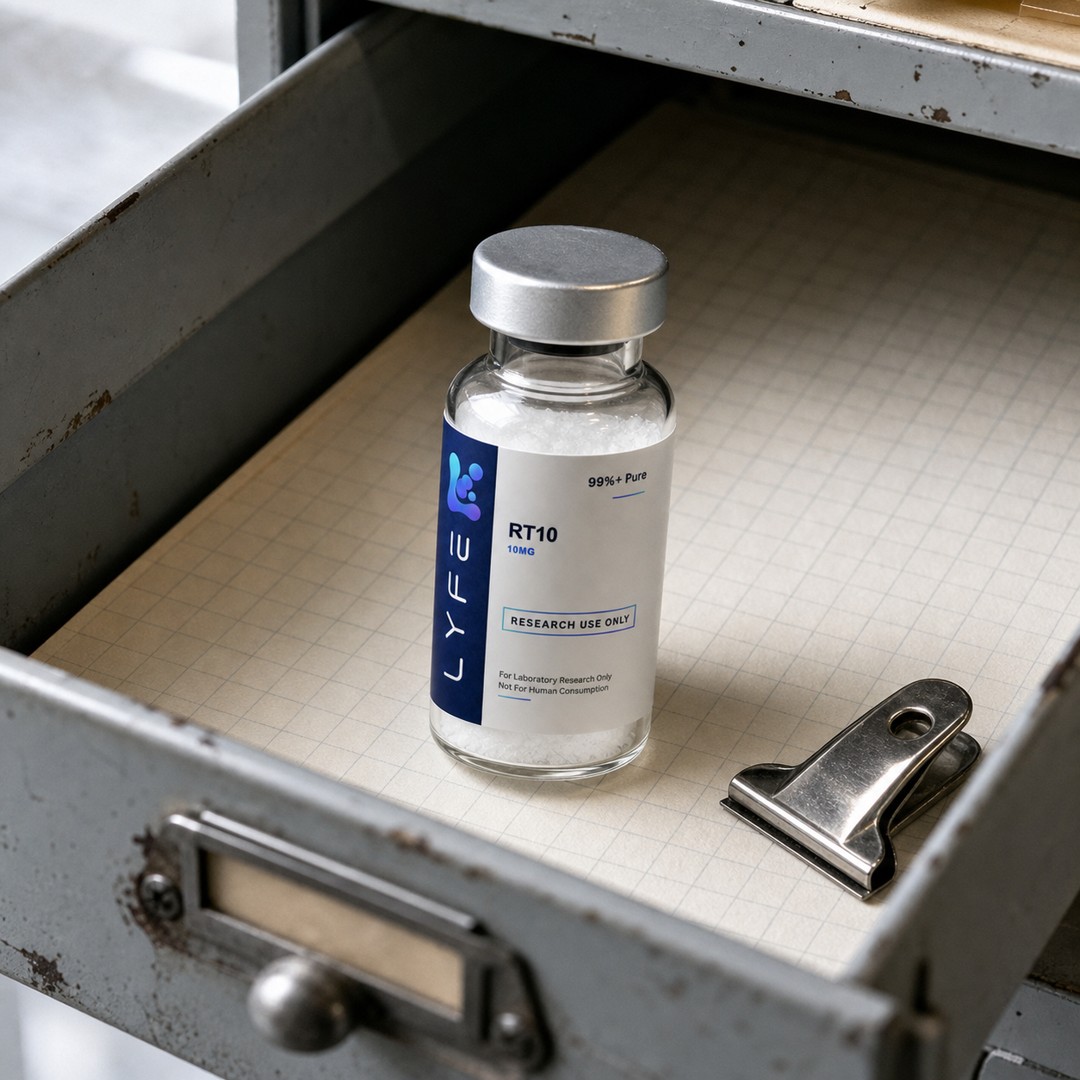
Once material arrives, a few physical checks add confidence. A correctly lyophilised peptide is usually a uniform white to off-white cake or powder. Heavy discolouration, oily residue, an unexpected odour, or a cracked seal are all reasons to pause. A vial that arrives warm after a long transit with no cold handling is also worth questioning, since peptides are sensitive to heat.
Verify with a certificate of analysis
The COA is your strongest tool. A genuine one is tied to a specific lot and reports both the identity of the compound and its purity, ideally confirmed by HPLC and mass spectrometry. Match the lot number on the certificate to the number on your vial. If the two do not match, or the certificate is a generic document reused across products, treat it as unverified. Independent third-party testing labs add another layer, and any supplier confident in their product will welcome that scrutiny.
Payment and buyer recourse
How you pay is part of how you protect yourself. Sellers who insist on untraceable methods with no way to reach them afterward are harder to hold accountable if something is wrong. A legitimate supplier gives you a real point of contact and stands behind the order. Interac e-Transfer and reputable crypto networks are common and perfectly normal in this space; the warning sign is not the method itself but a seller who disappears once payment lands.
A quick pre-purchase checklist
- Can the supplier show a lot-specific COA before you buy?
- Are the analytical methods named (HPLC, mass spectrometry)?
- Does the label state the compound, quantity and lot clearly?
- Is the price in a sensible range rather than suspiciously low?
- Is there a real Canadian shipping policy and a way to reach support?
If a seller passes all five, you are on solid ground. If several are missing, keep looking. The cost of a bad vial is not just the money; it is the time and the ruined work that follow.
How LYFE Science approaches it
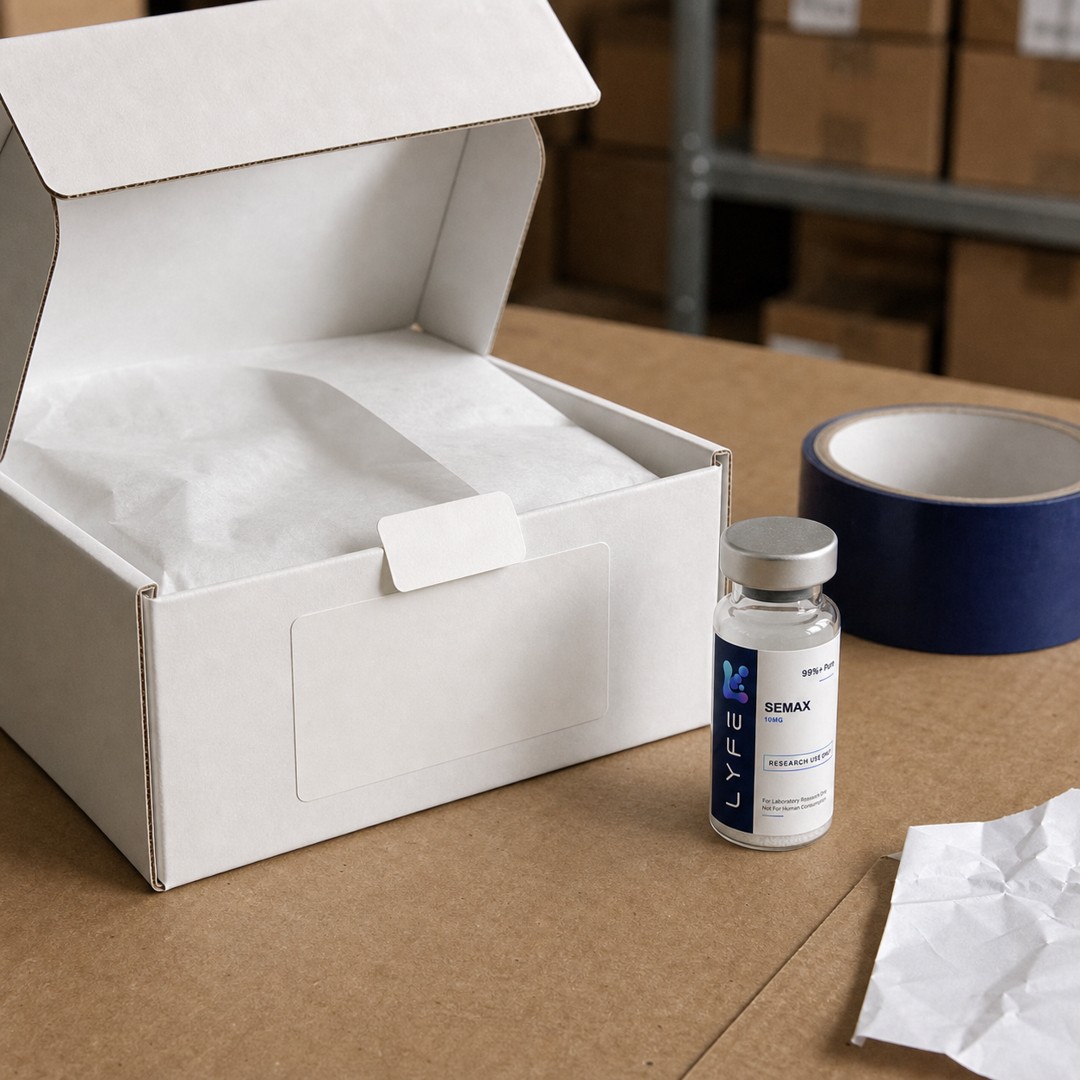
We test purity by HPLC and mass spectrometry and make a lot-specific COA available so you are never buying blind. LYFE Science is a Canadian supplier that ships coast to coast with Canada Post. Shipping is a flat $25 and free on orders over $150, dispatched the same day when payment clears before noon Eastern and arriving in one to three business days across most of the country. Packaging is plain and unbranded. Payment is by Interac e-Transfer or crypto (BTC, ETH, SOL, USDC, USDT). That combination of verifiable documentation, a Canadian supply chain and clear payment is what separates a supplier you can trust from a listing you cannot. Our peptide guide also walks through how to read a certificate if the terminology is new to you.
Browse our current catalogue and see the documentation for yourself.
Follow along
Research, lab-side
@lyfe_science →