Blog
Research Peptide Catalog 2026: Buyer’s Guide

If you are sourcing research peptides in Canada heading into 2026, it helps to have a clear map of the compounds worth knowing, how they are grouped, and what to look for before you buy. This catalog overview walks through the main research categories, the compounds LYFE Science stocks, and the practical details that separate a reliable supplier from a risky one.
How a research peptide catalog is organised
Rather than sorting by marketing claims, a serious catalog is organised by field of study. That keeps the focus on the science and makes it easier to find related compounds. At LYFE Science the shop is grouped into four research domains:
- Metabolic Research — home to MOTS-c, a mitochondrial-derived peptide studied for its role in energy metabolism.
- Signalling Research — including CJC-1295 (No DAC) and Ipamorelin, studied together in growth-hormone signalling models.
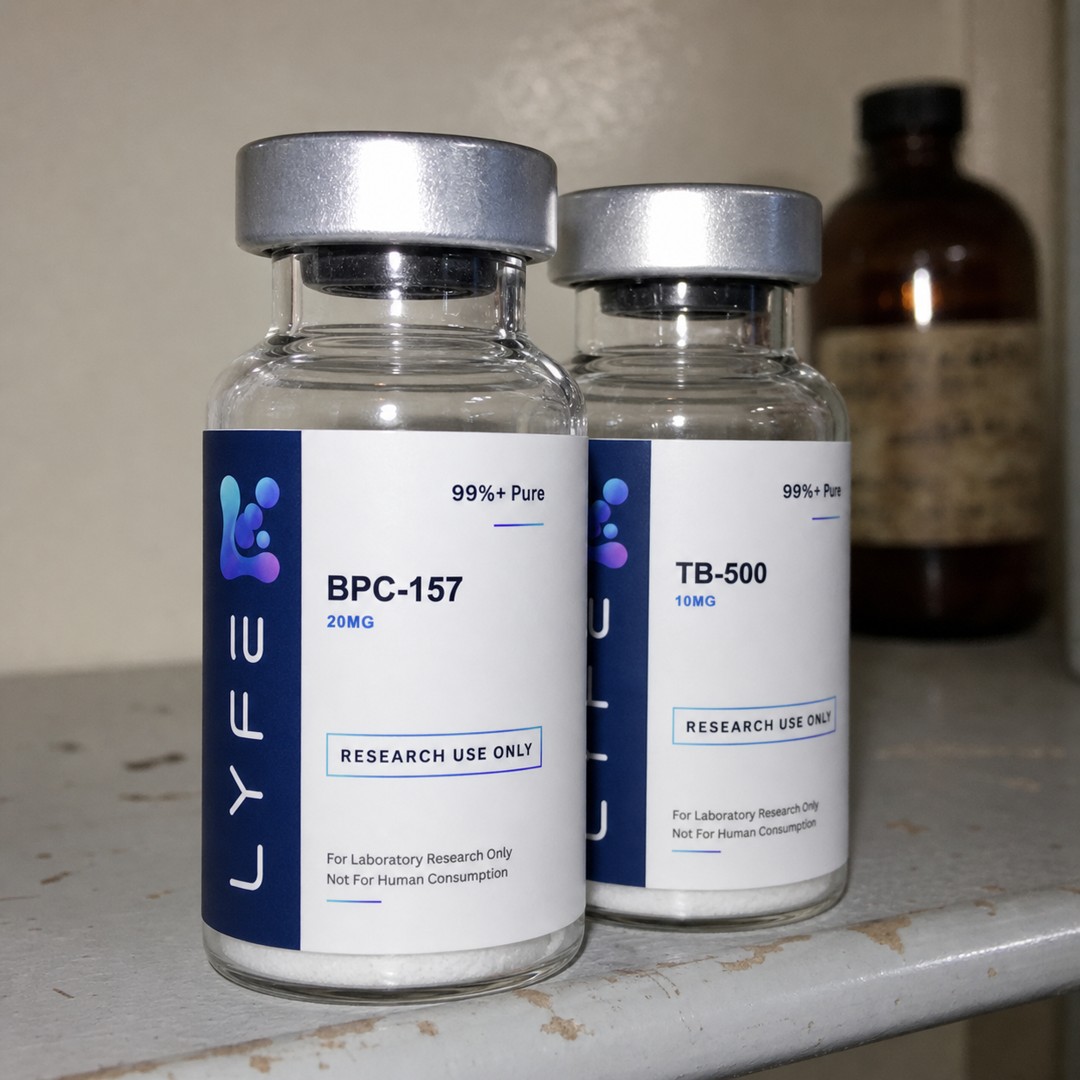
- Cytoskeletal Research — featuring TB-500, a synthetic fragment related to thymosin beta-4 studied in tissue and actin research.
- Matrix & Copper Research — anchored by GHK-Cu, a copper-binding tripeptide studied in matrix and skin research.
The core compounds in the 2026 line-up
GHK-Cu
A naturally occurring copper peptide widely studied for its interaction with the extracellular matrix and its copper-transport chemistry. It is one of the most researched small peptides and a common starting point for matrix-focused work.
TB-500
A synthetic peptide related to thymosin beta-4, studied for its role in actin regulation and cell migration in laboratory models. It sits in the cytoskeletal category.
MOTS-c
A mitochondrial-derived peptide of growing interest in metabolic research, studied for its influence on cellular energy pathways.
CJC-1295 (No DAC) and Ipamorelin
Two signalling peptides frequently studied as a pair in growth-hormone-axis research. The No DAC version of CJC-1295 has a shorter action profile than the DAC variant.
Beyond these, the broader research landscape includes compounds such as BPC-157, epithalon, semaglutide, tirzepatide and retatrutide, which appear across metabolic, repair and longevity literature. Grouping by research field rather than by claimed effect keeps the catalog honest and makes it far easier to find compounds that are studied together.
How pricing and purity fit together
A catalog is only as good as the quality behind it. Two peptides with the same name can differ enormously in purity, and price alone tells you little without documentation. When you compare listings across suppliers, weigh the cost per milligram against the analytical data on offer. A slightly higher price backed by a full HPLC and mass-spectrometry report per lot is usually the better value than an undocumented bargain, because you can actually verify what you received. Consistent, canonical naming also helps here: it lets you line up equivalent products side by side instead of guessing what an abbreviation refers to.
Storage and handling essentials
Whatever compound you choose from the catalog, a few handling basics protect your investment. Keep lyophilized powder cold and dry, protect vials from light and temperature swings, and minimise freeze-thaw cycles once a peptide is reconstituted. Inspect the seal on arrival, and store the certificate of analysis alongside your lot records so your work stays traceable. These habits matter across every category in the line-up.
What to check before you buy
- Analytical testing. Look for HPLC and mass spectrometry verification, with a certificate of analysis available per lot. This confirms both identity and purity.
- Consistent naming. Full canonical names (GHK-Cu, TB-500, MOTS-c) rather than vague abbreviations make it easier to compare suppliers and find what you need.
- Clear shipping terms. Know the carrier, cost and transit time up front.
- Straightforward payment. A supplier should be transparent about accepted methods.
Buying from LYFE Science in 2026
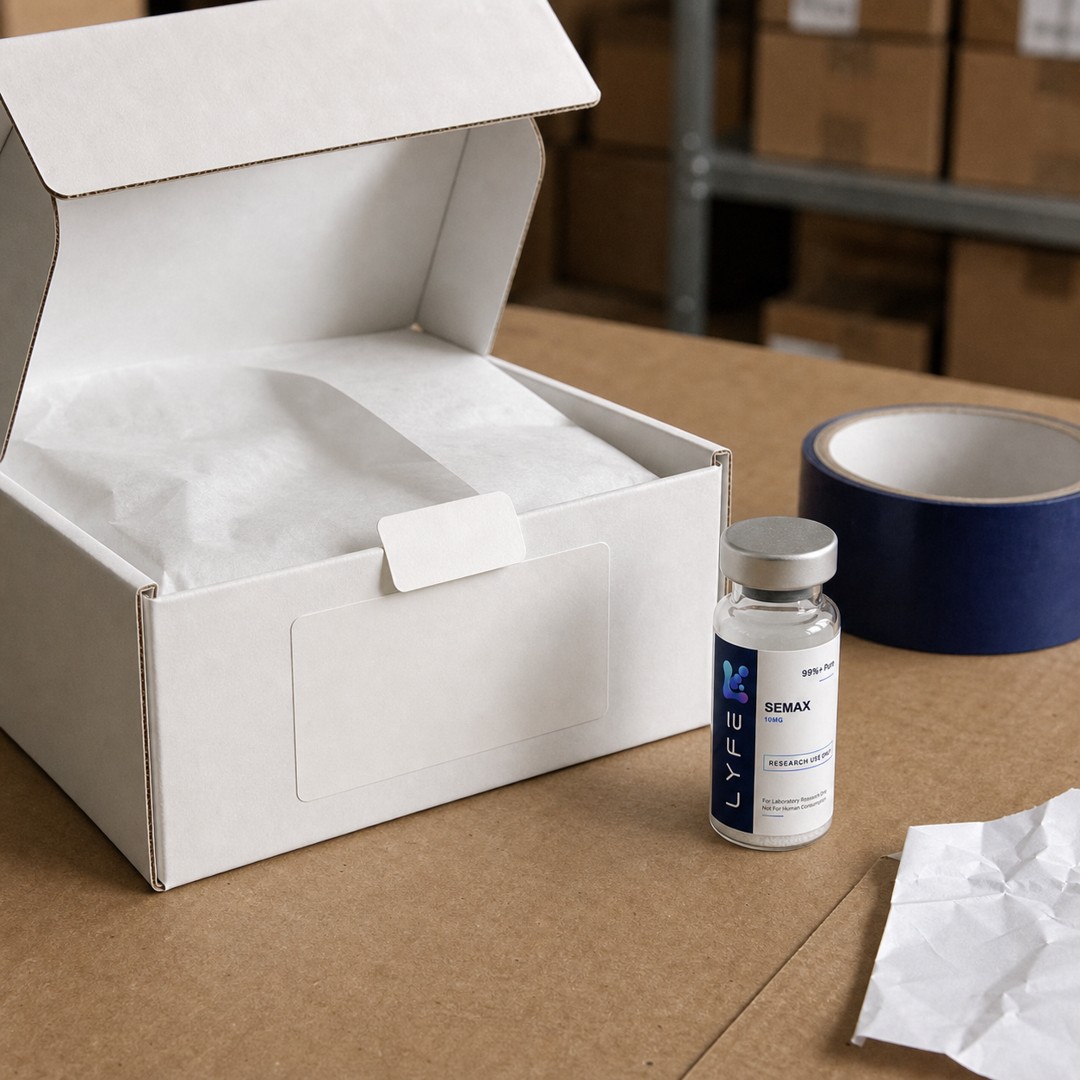
LYFE Science is a Canadian supplier shipping nationwide by Canada Post. Every lot is verified by HPLC and mass spectrometry with a COA available per lot. Shipping is a flat $25 and free over $150, in neutral packaging, with same-day dispatch when paid before noon Eastern and typical delivery of one to three business days for most of Canada. We accept Interac e-Transfer and crypto (BTC, ETH, SOL, USDC, USDT), with no cards required.
Whether you are building a research program around a single compound or comparing several categories, starting from a well-organised catalog saves time and reduces guesswork.
Buy research peptides in Canada or explore the peptide guide to get oriented first.
Follow along
Research, lab-side
@lyfe_science →