Blog
Best Peptides for Recovery Research in Canada

Recovery is one of the reasons peptides get so much attention. A small group of compounds shows up again and again in research on tissue repair, connective structures and the signalling that governs healing. Here is a plain-language look at the recovery peptides worth knowing and how to source them in Canada.
Why certain peptides dominate recovery research
Repair is a coordinated process involving cell migration, new blood vessel formation, matrix remodelling and inflammation control. The peptides below are studied because each one interacts with a different part of that process, which is why they are often discussed together.
The recovery shortlist
TB-500
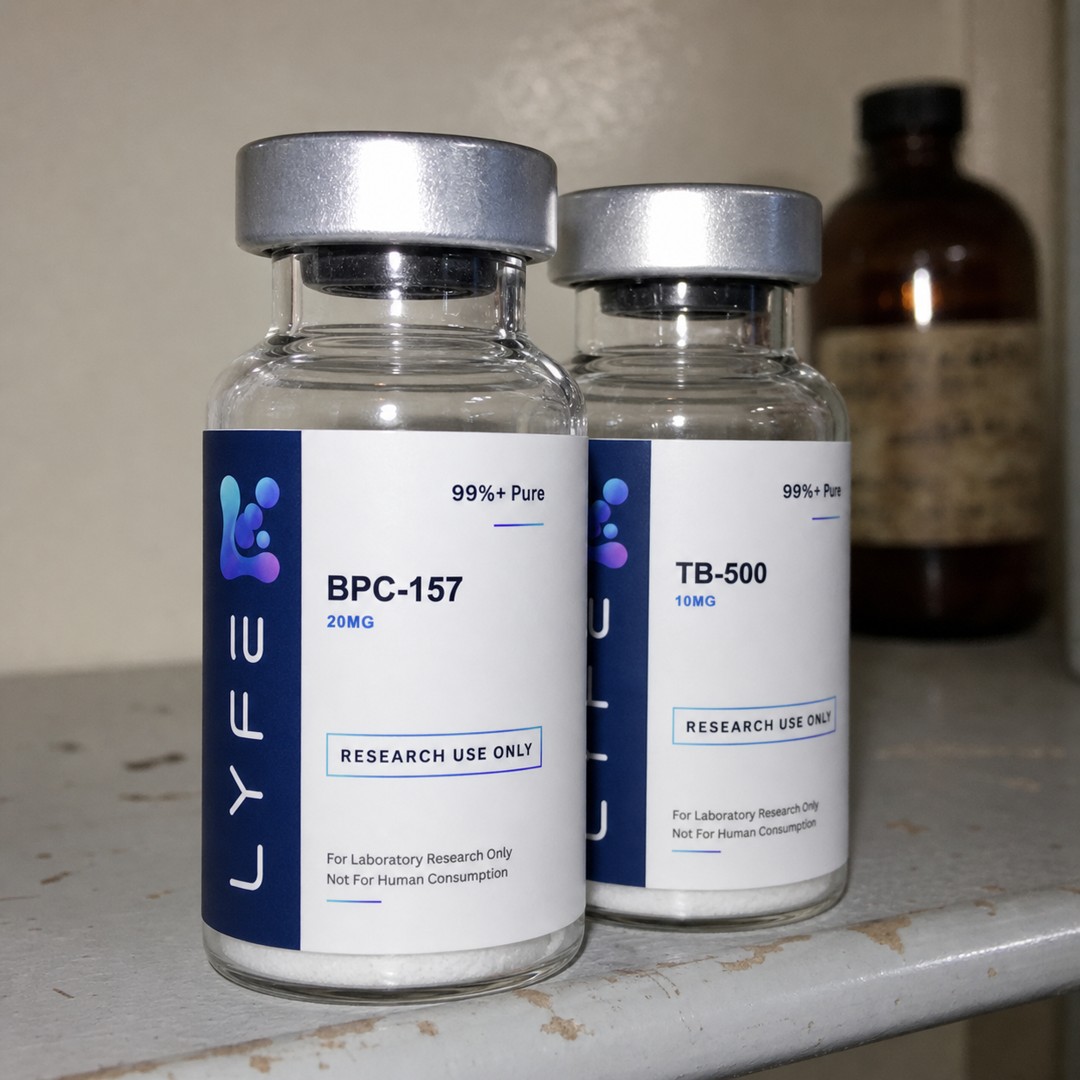
TB-500 is a synthetic fragment related to thymosin beta-4, a protein tied to actin, the structural filament inside cells. Research interest focuses on cell migration and cytoskeletal organization, which places it squarely in tissue repair and flexibility studies. It is one of the most requested recovery compounds.
BPC-157
BPC-157 is a stable pentadecapeptide, a chain of fifteen amino acids derived from a protein found in gastric juice. It is one of the most studied compounds in musculoskeletal and connective-tissue research, with a large body of work looking at tendons, ligaments, muscle and the gut lining.
GHK-Cu
GHK-Cu is a copper-binding tripeptide central to matrix and skin research. Its role in collagen and tissue remodelling makes it a natural fit alongside recovery-focused compounds, especially where connective tissue and wound models are involved.
Quick comparison
| Compound | Research focus | Class |
|---|---|---|
| TB-500 | Cell migration, cytoskeleton | Peptide fragment |
| BPC-157 | Tendon, muscle, gut, connective tissue | Pentadecapeptide |
| GHK-Cu | Collagen and matrix remodelling | Tripeptide |
How researchers usually approach a stack
Most work keeps things simple. Pairing a cytoskeletal peptide like TB-500 with a matrix peptide like GHK-Cu is common because the two touch complementary parts of repair. Adding too many variables at once makes results harder to read, and it becomes impossible to tell which compound is responsible for what you observe. A focused pair is easier to interpret and cheaper to run, which is why experienced researchers tend to start narrow and expand only when they have a reason to.
Handling matters as much as the molecule
Recovery peptides are only as good as their condition when they reach the bench. All of these compounds are heat and moisture sensitive, stable as a dry freeze-dried powder but far more fragile once reconstituted. Keeping them consistently cold is the single most important habit, and it starts with how the material was shipped. A short, cold transit protects the work you are about to do; a slow, warm one undermines it before you begin.
Buying recovery peptides in Canada
- Verify the lot. Look for HPLC and mass-spectrometry confirmation and a certificate of analysis you can actually see.
- Domestic shipping. A Canadian supplier keeps transit short and avoids customs friction.
- Cold chain and packaging. Fast, cold, neutral shipping protects sensitive material.
Every lot we sell is checked by HPLC and mass spectrometry, and a certificate of analysis is available for the lot you receive, so you can confirm identity and purity before anything leaves the freezer.
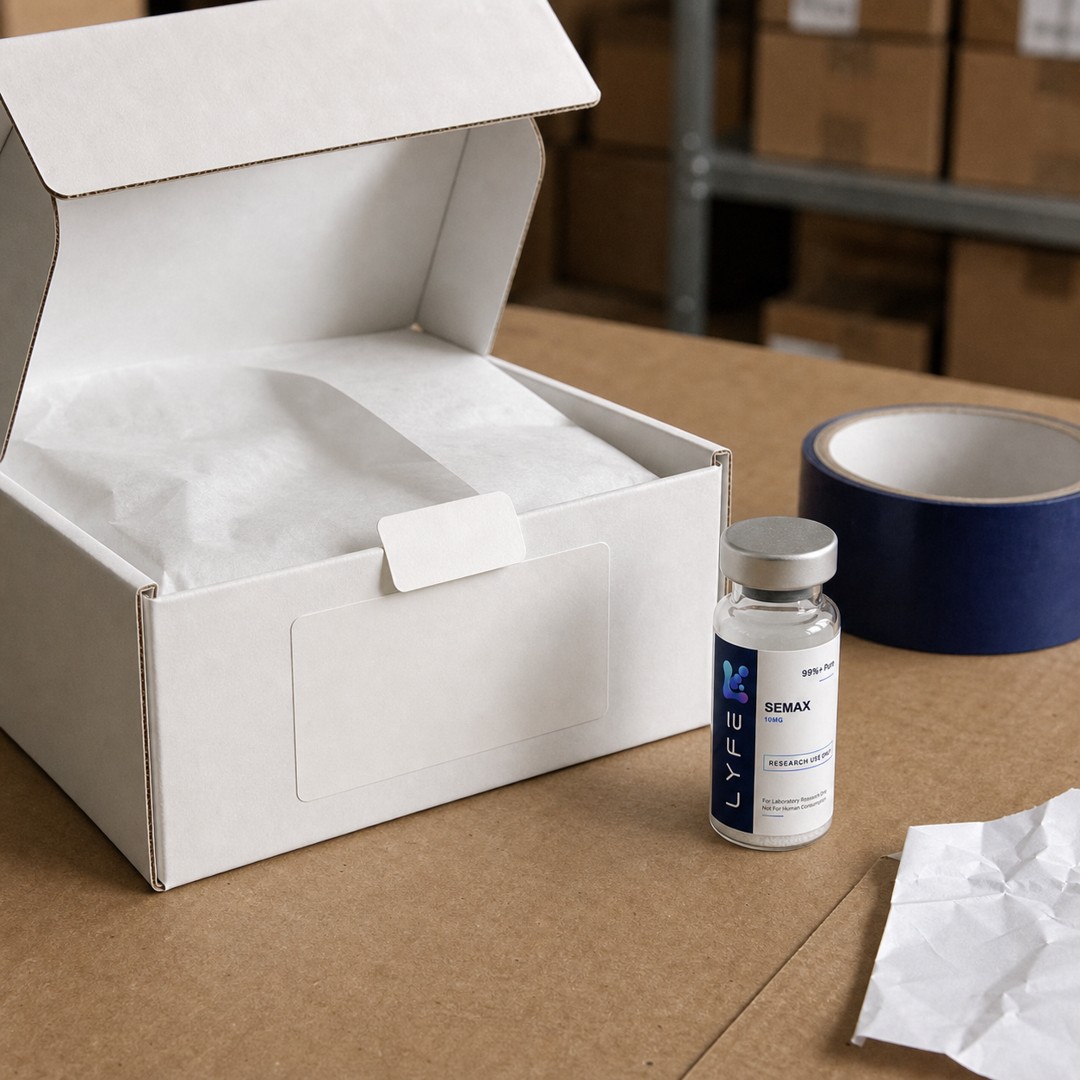
LYFE Science is a Canadian supplier and ships peptides Canada-wide with Canada Post. Shipping is a flat $25, and free on orders over $150. Pay before noon Eastern and your order is dispatched the same day, with most Canadian addresses reached in one to three business days. Every shipment goes out in neutral, unbranded packaging.
Checkout is by Interac e-Transfer or crypto (BTC, ETH, SOL, USDC, USDT). No cards are needed, and no third-party processor sits between you and your order.
LYFE Science stocks recovery-research favourites including TB-500 and GHK-Cu, with the rest of the shortlist expanding over time.
Follow along
Research, lab-side
@lyfe_science →