Blog
5-Amino-1MQ and Muscle Regeneration Research

Muscle tissue has a remarkable ability to repair itself, but that ability fades with age. One line of research asks whether the enzyme NNMT is part of the reason, and whether inhibiting it with a compound like 5-Amino-1MQ can tell us something useful about aged muscle. This guide walks through the science and what to know before sourcing the compound in Canada.
The compound in brief
5-Amino-1MQ is a small-molecule research chemical that inhibits nicotinamide N-methyltransferase, or NNMT. It is not a peptide, but it is frequently studied next to regenerative peptides because it touches the same broad question: how do cells maintain and rebuild tissue over time. Its small size and cell permeability make it a practical laboratory tool.
Why muscle stem cells are the focus
Skeletal muscle repairs itself using a reserve population of stem cells known as satellite cells. When muscle is stressed or injured, these cells activate, multiply, and fuse to rebuild fibres. In aged tissue, satellite cells become less responsive, and regeneration slows. Understanding what shifts in these cells with age is a central problem in regenerative biology.
NNMT enters the picture because of how it manages cellular energy resources. The enzyme influences both the methylation cycle and the NAD+ pathway, two systems that decline in aging cells. Researchers have used NNMT inhibitors to probe whether easing the enzyme’s activity changes how aged muscle stem cells behave.
What the research explores
Work in cell and animal models has looked at several related questions:
- Whether NNMT inhibition affects the activation of satellite cells
- How the compound influences NAD+ levels inside muscle-associated cells
- Whether regenerative capacity in aged muscle models responds to enzyme inhibition
- The link between methylation balance and stem cell function
These are early-stage investigations. That is not a weakness, it is simply where the science is. The value of 5-Amino-1MQ here is that it gives laboratories a clean, defined way to switch NNMT activity down and watch what happens in a controlled muscle model. A well-defined target, a compact inhibitor, and a specific tissue context together make for an experimental system that is easy to reason about, which is part of why the compound has held researchers’ attention.
Small molecules and peptides side by side
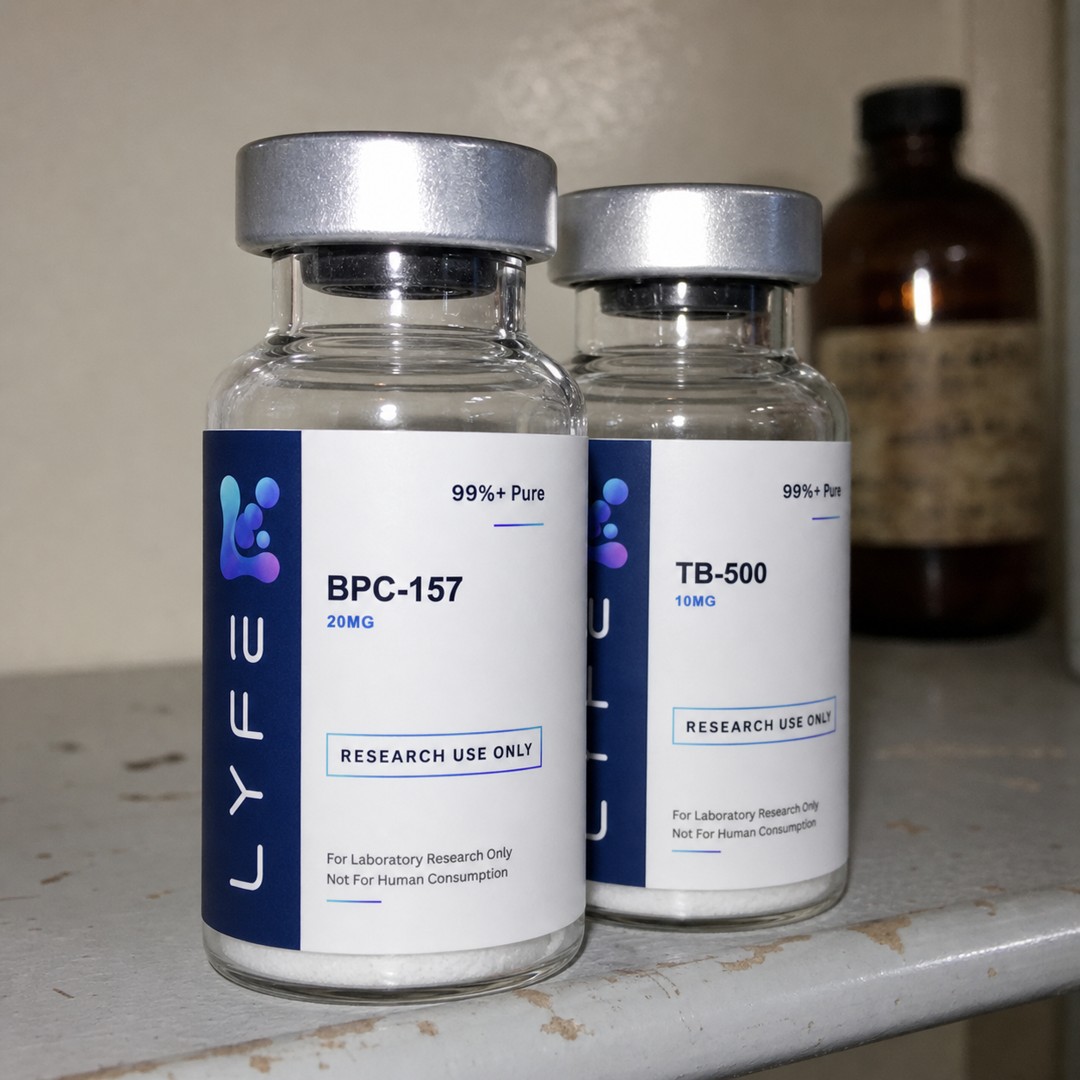
Muscle and tissue-repair research rarely relies on a single class of compound. Peptides such as TB-500 are studied for their role in cytoskeletal dynamics and tissue repair, working through mechanisms quite different from enzyme inhibition. Many labs run small molecules and peptides in parallel so they can compare approaches to the same regenerative questions. A supplier that carries both makes that easier to manage.
Buying 5-Amino-1MQ in Canada
With any research compound, verification comes first. You want identity and purity confirmed by real analytical methods rather than a printed claim. LYFE Science tests research materials by HPLC and mass spectrometry, and a certificate of analysis is available per lot, so you can tie what arrives to documented results.
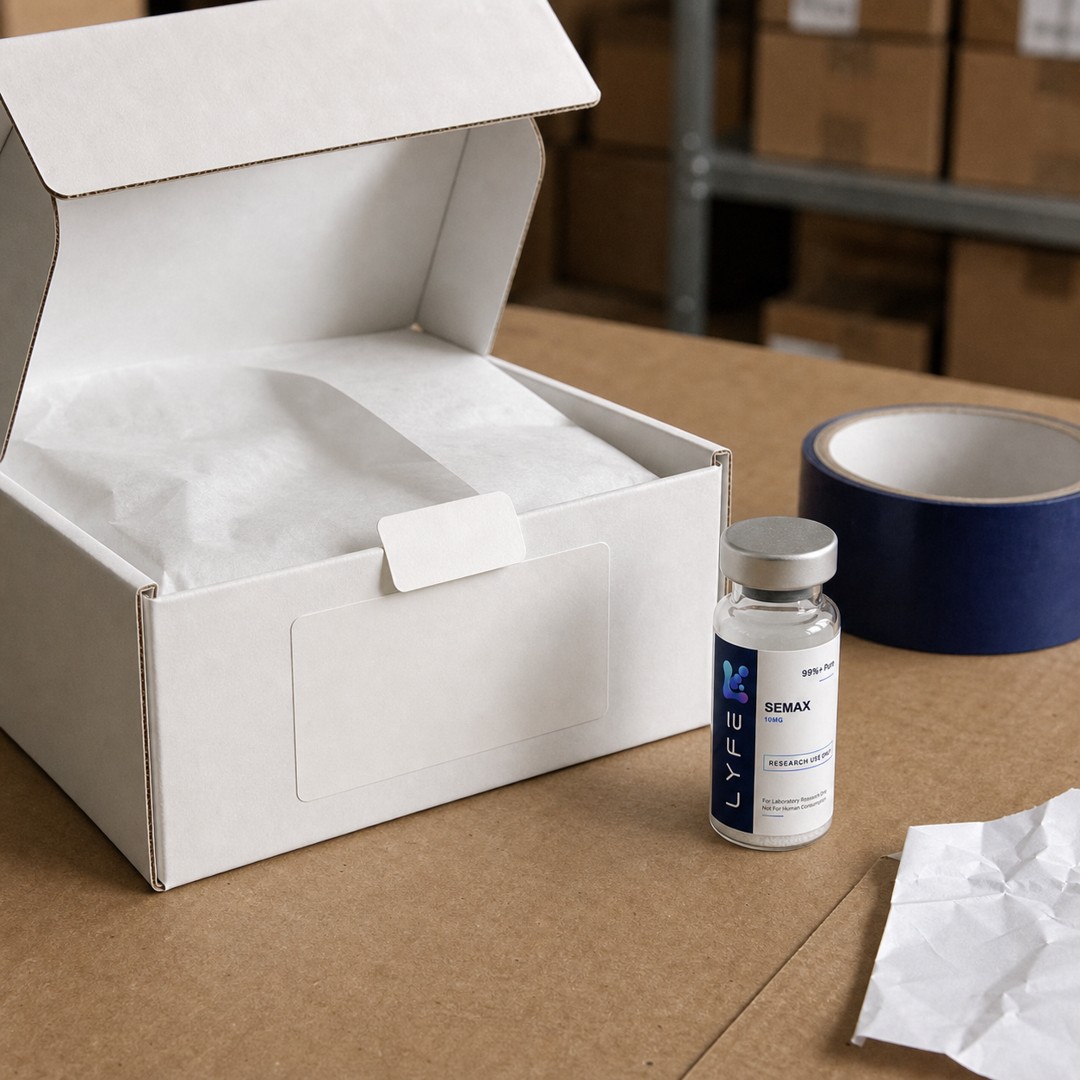
On logistics, LYFE Science is a Canadian supplier shipping Canada-wide by Canada Post. Shipping is a flat $25, and free on orders over $150. Orders paid before noon Eastern go out the same day, and most Canadian addresses see delivery in one to three business days. Packaging is neutral, and payment is by Interac e-Transfer or crypto, including BTC, ETH, SOL, USDC, and USDT.
The short version
- 5-Amino-1MQ is a small-molecule NNMT inhibitor used in regenerative and aging research
- Muscle satellite cells lose responsiveness with age, and NNMT is a candidate factor
- Cell and animal models drive current work on the compound and muscle repair
- Analytical verification and per-lot documentation should guide sourcing
Reliable, well-documented compounds keep regenerative experiments clean and repeatable. Browse the full research range at LYFE Science and stock your bench with confidence.
Follow along
Research, lab-side
@lyfe_science →