Blog
Wolverine Stack Explained: BPC-157 + TB-500

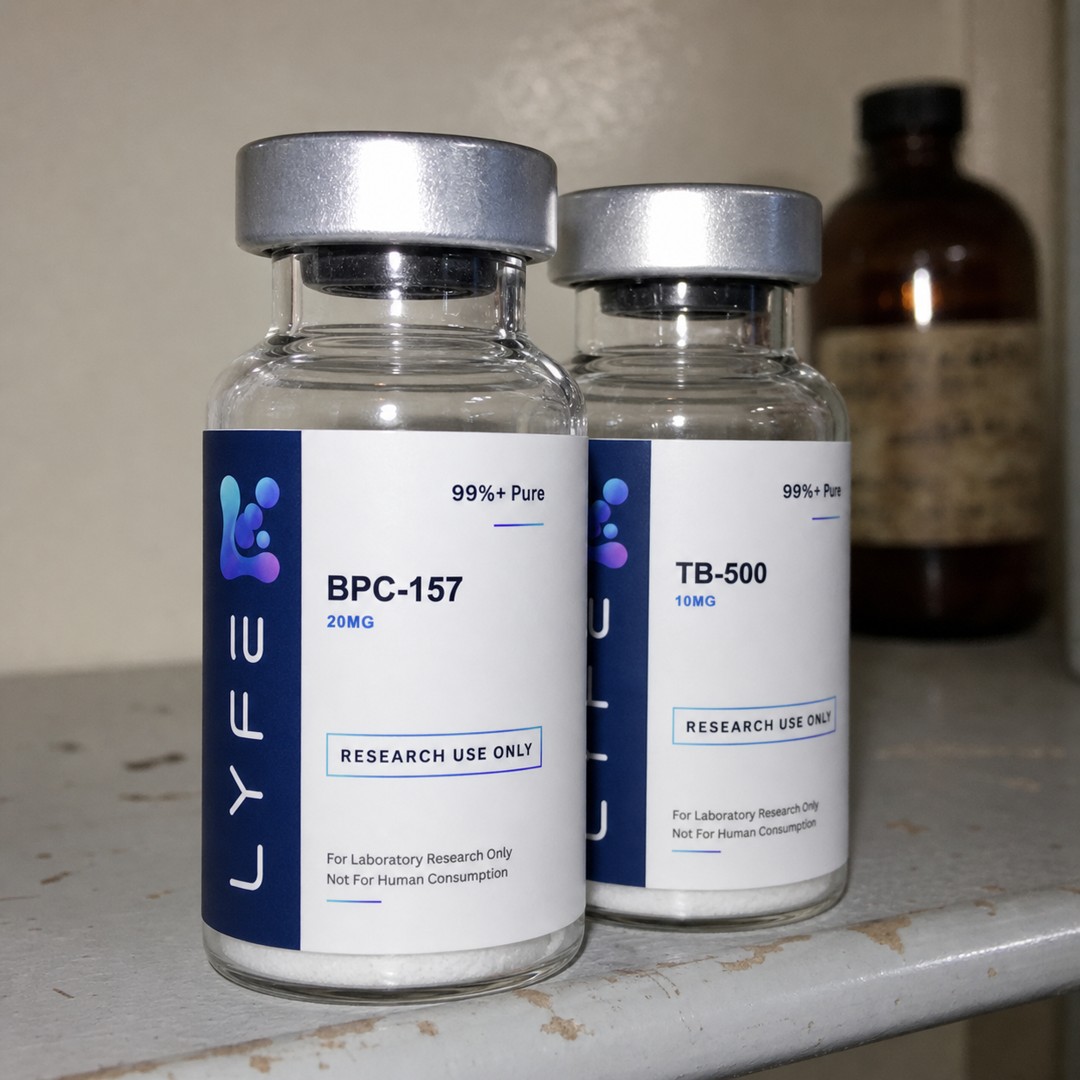
Few peptide pairings have picked up a nickname the way the Wolverine Stack has. The name is a nod to a comic-book character known for rapid healing, and it is attached to a combination of two peptides that show up constantly in tissue-repair research: BPC-157 and TB-500. Here is a clear, jargon-free explanation of what the stack is, why the two compounds are paired, and what to look for if you want to source them.
The two compounds
BPC-157
BPC-157 is a short synthetic peptide derived from a sequence found in a protective protein in gastric juice. In the research literature it is studied across a range of soft-tissue and connective-tissue models. It is one of the most widely referenced peptides in the tissue-repair space, which is a large part of why it anchors the stack.
TB-500
TB-500 is a synthetic fragment related to thymosin beta-4, a naturally occurring peptide that plays a role in cell migration, differentiation, and regeneration. It is investigated for many of the same broad questions as BPC-157, but through different biological pathways.
Why the two are paired
The logic behind the Wolverine Stack is the same logic behind any thoughtful peptide blend: pair compounds that are studied for related outcomes but work through distinct mechanisms. Because BPC-157 and TB-500 approach tissue-repair questions from different directions, researchers group them together to look at them side by side rather than treating either as the whole picture.
The pairing is usually described in a balanced split, most often 1:1, which keeps either compound from being treated as dominant and makes a batch consistent from vial to vial.
Where the nickname comes from
The “Wolverine” tag is pure marketing shorthand, not a scientific term. It caught on because the two peptides are associated in the research literature with repair and regeneration processes, and the comic-book reference is a memorable way to signal that theme. It is worth keeping the label and the science separate in your head: the nickname tells you nothing about purity, ratio, or quality. Those come from the certificate of analysis, not the branding. A vial labelled with a catchy stack name is still just BPC-157 and TB-500, and it is only as good as the material inside it.
Blend or singles?
You will see the stack sold both as a pre-mixed blend and as two separate compounds. Each has trade-offs:
- A pre-made blend is convenient. One vial, one lot number, a fixed ratio decided for you.
- Separate compounds give you control. You set the ratio, you can study one peptide on its own first, and you never pay for a proportion you did not want.
If you are new to either compound, starting with singles lets you characterise each one before you combine them. Our peptide guide is a good place to get oriented.
Quality is the part that matters
The stack is only as good as the material in the vials. A recognisable name on the label means nothing if the peptide inside is poorly characterised. The two things worth checking on any peptide are identity and purity, confirmed by real analytics rather than a printed claim.
Every LYFE Science compound is checked by HPLC and mass spectrometry, with a certificate of analysis available per lot. We carry TB-500 in our cytoskeletal research range, so you can source a verified half of the pairing and know exactly what you are working with.
Ordering in Canada
We are a Canadian supplier and ship right across the country by Canada Post: a flat $25, free over $150, in neutral packaging, with same-day dispatch on orders paid before noon Eastern and one to three business days for most of Canada. Payment is by Interac e-Transfer or crypto (BTC, ETH, SOL, USDC, USDT), with no cards involved. Browse the full range in the shop, organised by research area.
Follow along
Research, lab-side
@lyfe_science →