Blog
BPC-157 and TB-500: Recovery Peptides Guide

BPC-157 and TB-500 are two of the most searched peptides in the recovery and tissue-repair space, and they are almost always mentioned in the same breath. They are often studied side by side because they work through separate mechanisms, which is why the pairing gets so much attention. This guide explains what each peptide actually is, how they differ, and what to look for when you buy TB-500 in Canada.
What BPC-157 is
BPC-157 is a short synthetic peptide derived from a sequence found in a protein present in gastric juice. Its name is short for Body Protection Compound. Structurally it is a small, stable chain of amino acids, and research interest has centred on its role in models of connective tissue, tendon, ligament and gut-lining repair. It is a locally acting compound in much of the literature, meaning studies often look at how it behaves in the specific tissue being investigated rather than as a system-wide agent.
What TB-500 is
TB-500 is a synthetic version of a region of thymosin beta-4, a naturally occurring peptide involved in cell migration and the regulation of actin, one of the core proteins of the cellular skeleton. Because it influences how cells move and reorganise, TB-500 is studied in the context of the cytoskeleton and tissue remodelling. It is generally described as a more systemic compound than BPC-157, distributing more widely rather than staying concentrated at one site.
How the two peptides differ
| Feature | BPC-157 | TB-500 |
|---|---|---|
| Origin | Gastric protein fragment | Thymosin beta-4 fragment |
| Primary research focus | Tendon, ligament, gut-lining models | Cell migration, cytoskeletal remodelling |
| Distribution | Often described as locally acting | Often described as more systemic |
| Molecular target theme | Tissue-protective signalling | Actin regulation |
Why they are studied as a pair
The reason these two peptides are so often grouped together is that they approach the same broad research question from different angles. BPC-157 is investigated for its tissue-protective signalling, while TB-500 is investigated for its role in cell migration and the reorganisation of the cellular scaffold. Because they act through unrelated pathways, researchers looking at recovery and repair models frequently examine them together rather than treating them as competitors. That complementary relationship is the whole reason the combination keeps coming up.
What LYFE Science carries
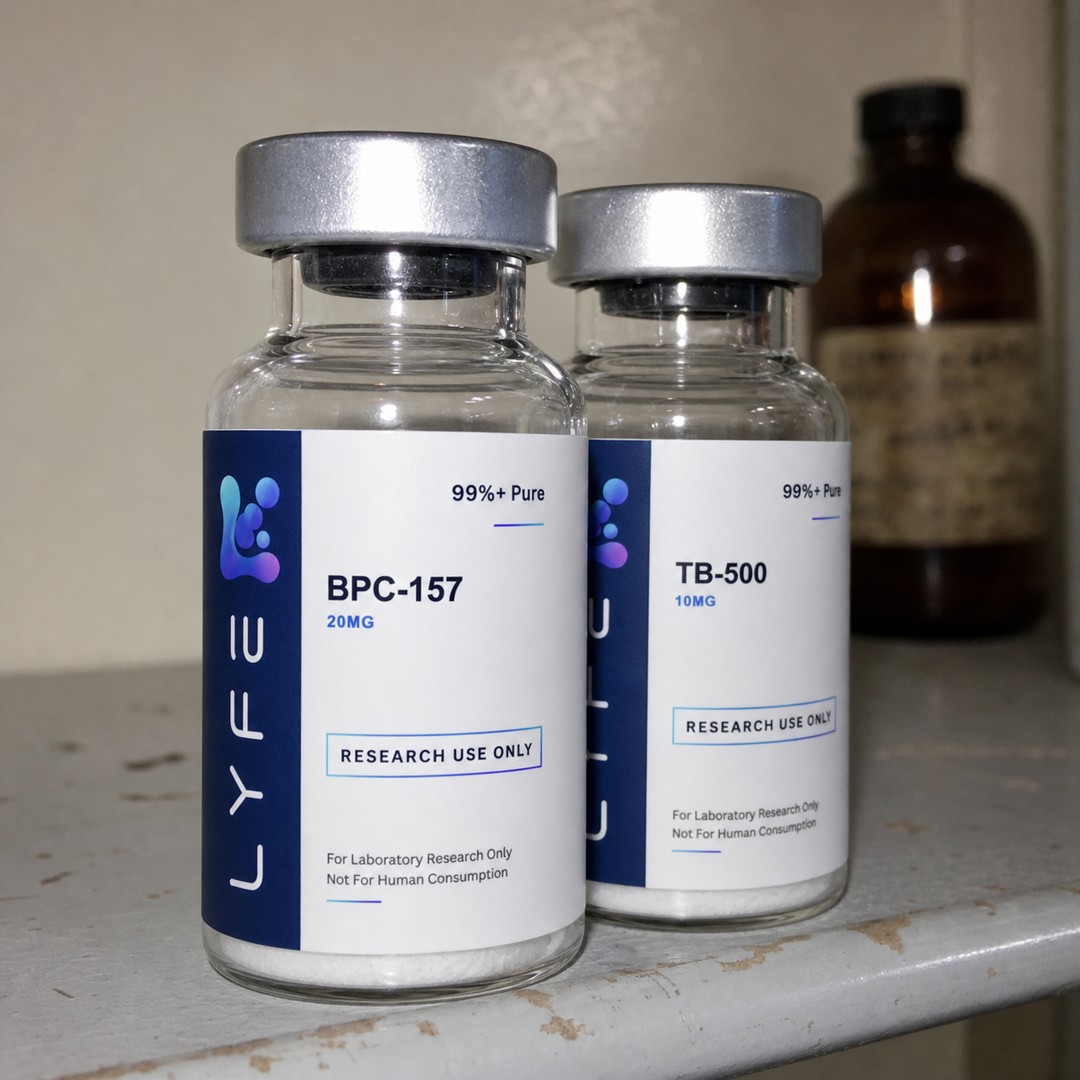
Of this pair, LYFE Science stocks TB-500, filed under our Cytoskeletal Research category alongside our other tissue-remodelling peptides. TB-500 is the compound most directly tied to actin and the cellular skeleton, which is why it sits in that research domain. If you are building out a recovery-focused research set, it is the one you can order from us today.
How to judge quality before you buy
Peptides in this category are only as reliable as their identity and purity, so the single most useful thing to check is verification. Look for suppliers that confirm identity and purity by HPLC and mass spectrometry and publish a certificate of analysis for the specific lot you receive, not a generic sample document. Store the product cold and dry on arrival to keep it stable, and reconstitute only when you are ready to use it. A per-lot COA is worth more than any marketing claim on a label.
Buying TB-500 in Canada from LYFE Science
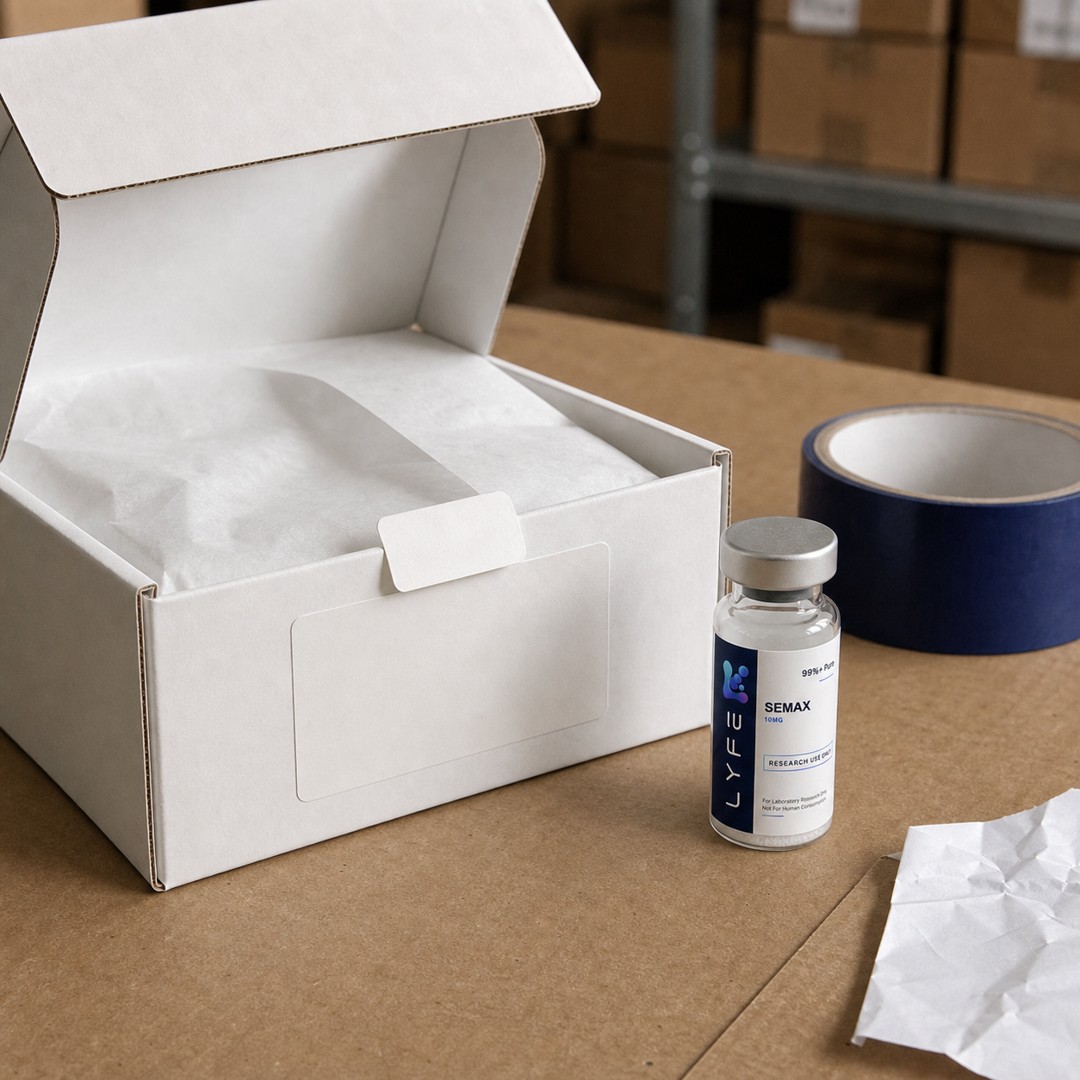
LYFE Science is a Canadian supplier shipping nationwide by Canada Post. Shipping is a flat $25 and free on orders over $150, with same-day dispatch on orders paid before noon Eastern and delivery to most of Canada in one to three business days. Every order arrives in plain, neutral packaging. We accept Interac e-Transfer and crypto (BTC, ETH, SOL, USDC, USDT), and every lot ships with its own COA.
New to this category? Our peptide guide walks through reconstitution and storage, and the full catalogue is on the shop page. When you are ready:
Follow along
Research, lab-side
@lyfe_science →