Blog
Peptide Glossary: 50+ Terms for Canadian Buyers

Shopping for peptides in Canada means running into a lot of technical shorthand: COA, HPLC, lyophilized, TFA salt, sequence purity. If the vocabulary is slowing you down, this glossary is built to fix that. Every term below is defined in plain language, so you can read a product page or a certificate of analysis and know exactly what you are looking at before you buy.
Core chemistry terms
- Peptide – a short chain of amino acids linked by peptide bonds. Shorter than a protein, but built the same way. The specific order of amino acids is the sequence, and the sequence defines the molecule.
- Amino acid – the building block of every peptide. Twenty standard amino acids combine in different orders to create every peptide you will see listed.
- Sequence – the exact order of amino acids in a peptide, usually written with three-letter or one-letter codes. Two products with the same name but different sequences are not the same thing.
- Molecular weight – the mass of one molecule, expressed in daltons (Da). It is used to convert between milligrams and moles and appears on most certificates of analysis.
- CAS number – a unique registry identifier assigned to a chemical substance. It lets you confirm you are looking at the correct compound across suppliers and databases.
Form and packaging terms
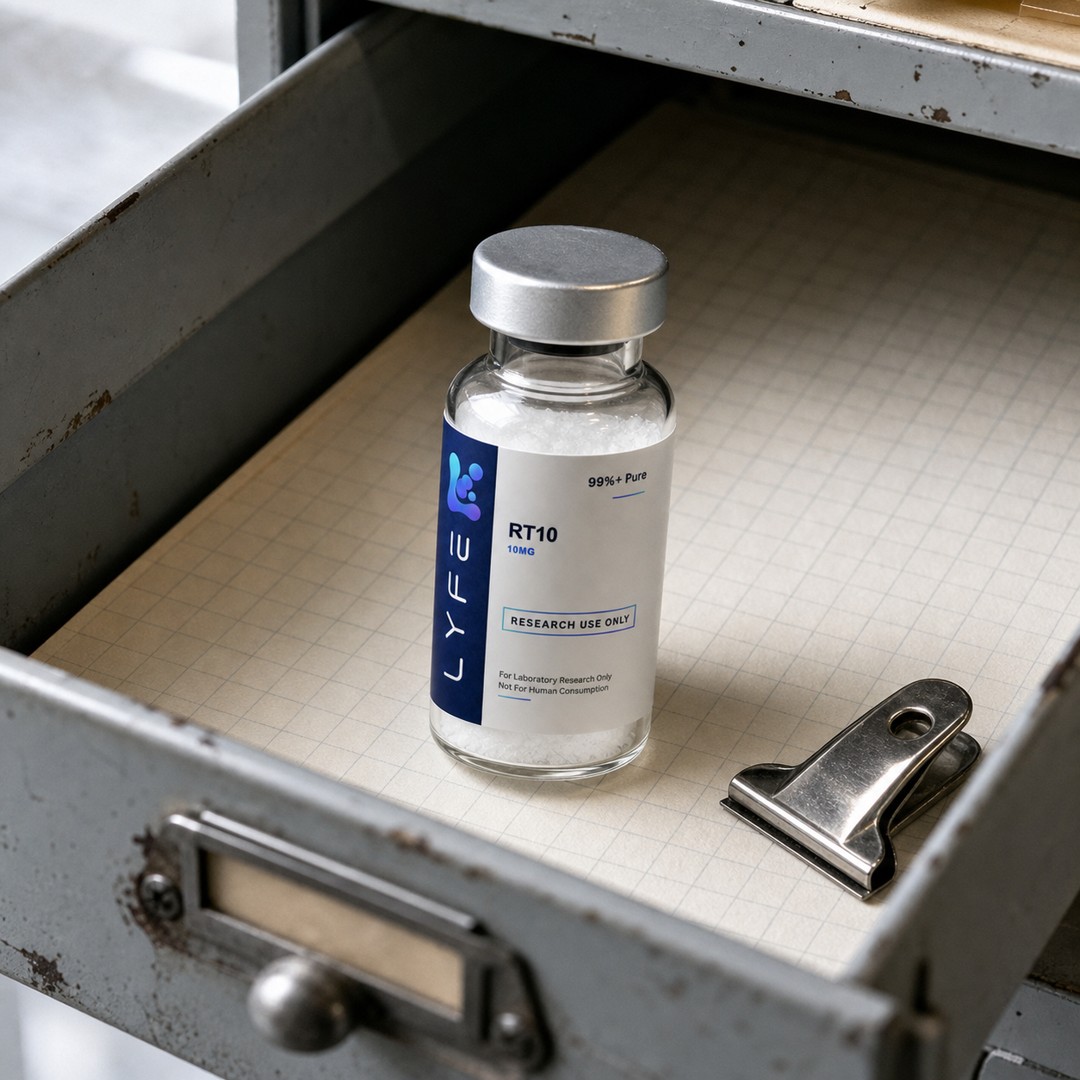
- Lyophilized – freeze-dried. Most research peptides ship as a lyophilized powder because the dry form is far more stable than a solution during transit and storage.
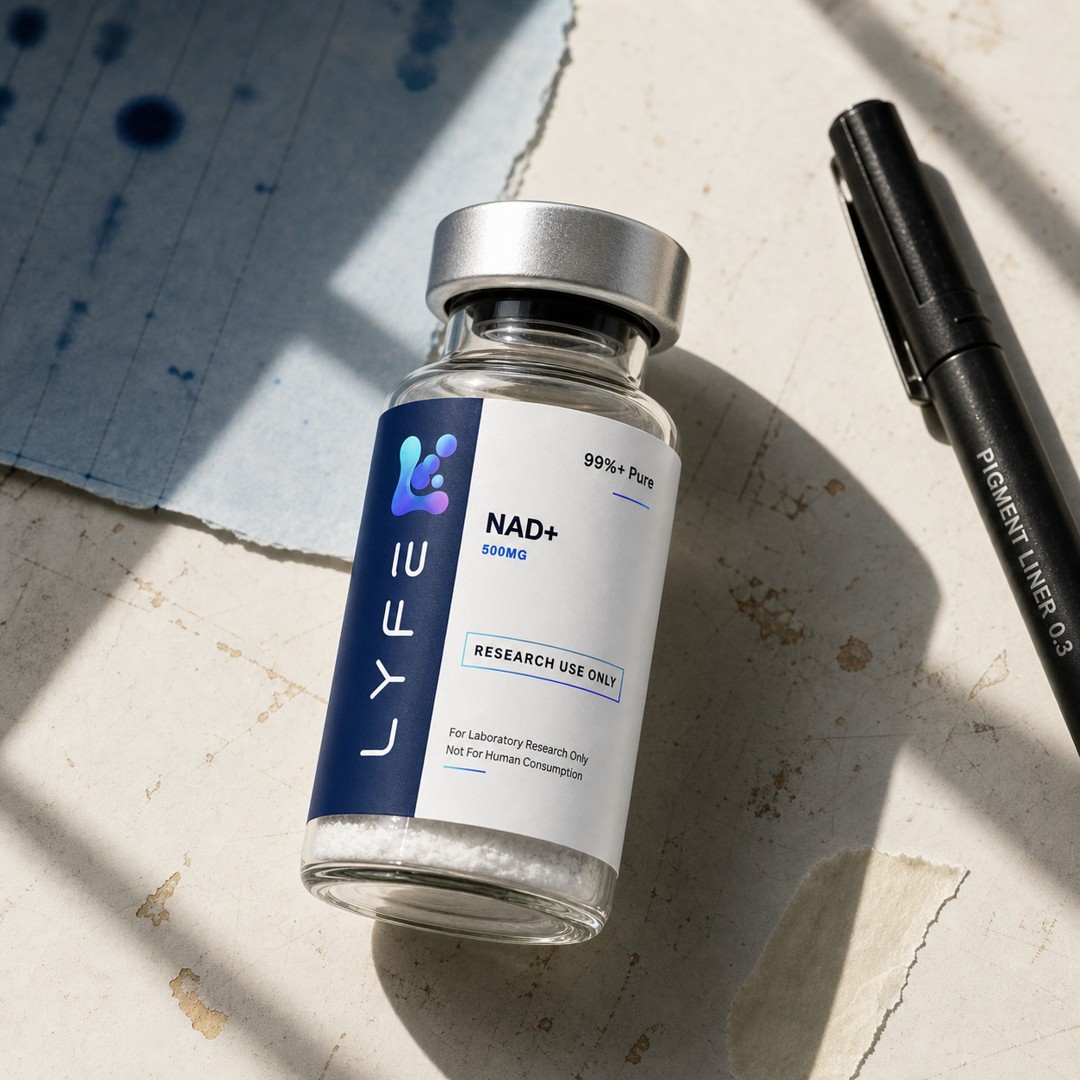
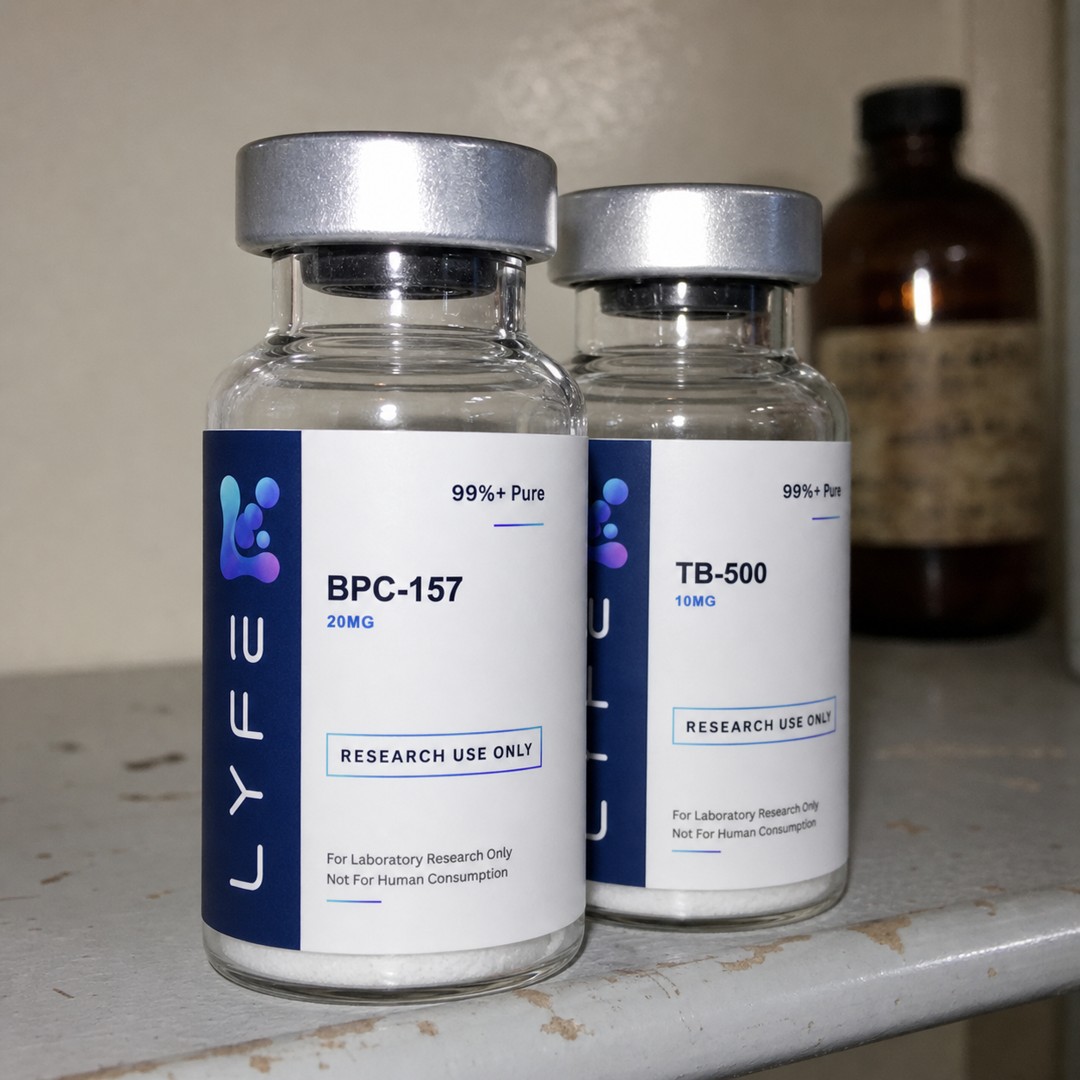
- Vial – the small sealed glass container the peptide ships in. The label states the nominal amount, usually in milligrams.
- Net peptide content – the actual mass of peptide in the vial after accounting for water, counter-ions and salts. It can be lower than the labelled amount, which is why a COA matters.
- TFA salt – trifluoroacetate, a common counter-ion left over from purification. It is normal and disclosed on quality documentation.
- Acetate salt – an alternative counter-ion to TFA, sometimes preferred depending on the intended application.
Quality and testing terms
- Purity – the percentage of the sample that is the target peptide, with the remainder being related impurities. Higher purity means fewer unknown variables.
- HPLC – high-performance liquid chromatography. The standard method for measuring purity by separating a sample into its components and quantifying each one.
- Mass spectrometry (MS) – a technique that confirms molecular identity by measuring mass. HPLC tells you how pure a sample is; MS confirms it is the right molecule.
- COA (Certificate of Analysis) – the lab document that reports purity, identity and testing method for a specific production lot. A serious supplier can produce one on request.
- Lot / batch – a single production run. Testing is lot-specific, so a COA should match the lot number printed on your vial.
Handling and storage terms
- Reconstitution – the general concept of dissolving a lyophilized powder into a liquid to create a solution.
- Solubility – how readily a peptide dissolves in a given solvent. It varies by sequence and affects how the material is handled.
- Cold chain – keeping a temperature-sensitive product cold from dispatch to delivery. Lyophilized powders are more forgiving in transit than solutions, but proper storage still protects long-term stability.
- Half-life – the time it takes for half of a compound to clear from a system. It varies enormously between peptides and drives how a molecule behaves over time.
Why this matters when you buy
Once these terms are second nature, comparing suppliers gets much easier. You can look past marketing language and check the things that actually differ: stated purity, whether a lot-specific COA is available, the testing methods used, and how the product is packaged and shipped. That is exactly the level of detail we publish, so nothing on a LYFE product page needs decoding.
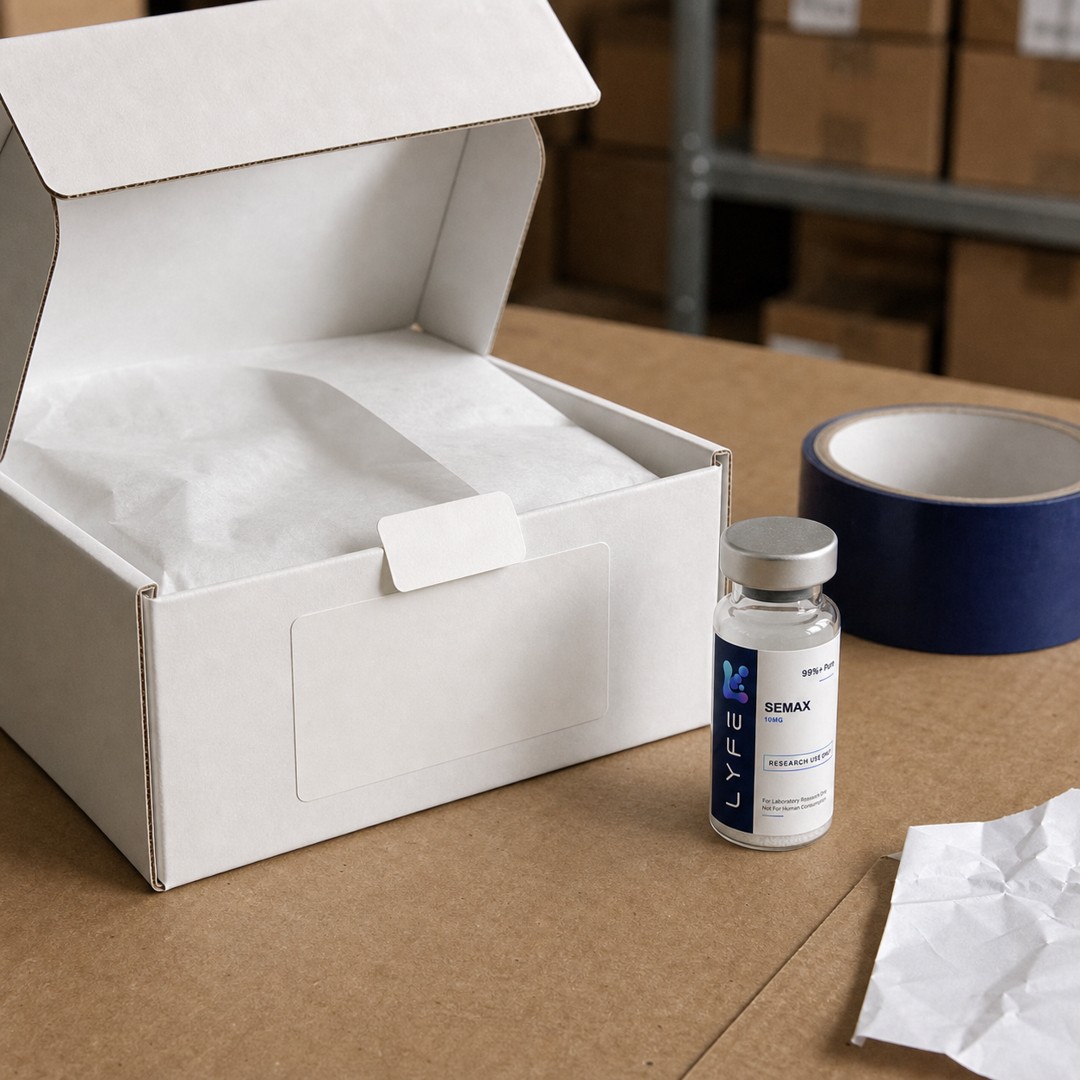
LYFE Science is a Canadian supplier shipping nationwide by Canada Post, with flat $25 shipping and free delivery over $150. Purity is checked by HPLC and mass spectrometry, and a COA is available per lot. For a deeper walkthrough of any term above, see our peptide guide.
Follow along
Research, lab-side
@lyfe_science →