Blog
KPV Peptide and Gut Inflammation Research

The gut is one of the most active areas of peptide research, and KPV is a recurring name in laboratory work on intestinal inflammation. This profile explains what KPV is, why it keeps appearing in colitis and inflammatory bowel disease (IBD) models, and how to source reliable material in Canada.
KPV in one paragraph
KPV is a tripeptide of lysine, proline, and valine. It is the C-terminal tail of alpha-melanocyte-stimulating hormone (alpha-MSH), part of the melanocortin family of signalling molecules. Much of the anti-inflammatory behaviour associated with alpha-MSH in laboratory models appears to be retained in this short fragment, which is one reason a three-amino-acid peptide gets so much attention.
Why the intestine is a natural fit
IBD research, including models of ulcerative colitis and Crohn-type inflammation, focuses heavily on the signalling that keeps intestinal inflammation in check. KPV is studied here for a few connected reasons:
- NF-kB downregulation. In intestinal epithelial and immune cell models, interest centres on KPV’s association with reduced NF-kB activity, a transcription factor that drives many pro-inflammatory cytokines.
- Cytokine modulation. Researchers track markers such as pro-inflammatory interleukins to see how signalling shifts in tissue exposed to the peptide.
- Epithelial uptake. A distinctive feature of KPV is that intestinal cells can take it up through the PepT1 transporter, a route the gut normally uses for small peptides. That makes the colon an unusually accessible tissue to model.
The delivery angle
A large share of gut-focused KPV research is really about delivery. Because a peptide has to survive the digestive tract to reach inflamed tissue intact, labs experiment with formulations, including nanoparticle and hydrogel carriers, designed to protect the molecule and release it where it is needed. This is a materials-science question layered on top of the biology, and it is a big reason KPV appears so often in methods papers rather than only mechanism papers.
None of this constitutes a treatment or a human protocol. It describes why a small melanocortin fragment is a convenient probe for intestinal inflammation models.
Why the PepT1 route matters
The PepT1 transporter deserves a closer look, because it is much of what makes KPV distinctive in gut research. PepT1 is a transporter the intestine normally uses to absorb small di- and tri-peptides from digested food. A tripeptide like KPV fits that channel, so intestinal epithelial cells can take it up directly rather than relying on it slipping between cells. In inflammation models this is notable twice over: PepT1 expression itself shifts in inflamed intestinal tissue, and a peptide that rides this transporter can, in principle, be delivered to the very cells under study. It is a rare case where the delivery route and the biology of interest are tied to the same molecular machinery.
Handling KPV in the lab
KPV is supplied as a lyophilised powder and is best stored sealed, cool, dry, and away from light until use. Peptide integrity degrades with heat cycling, humidity, and light exposure over time, so disciplined storage protects the comparability of your results. A lot-specific certificate of analysis (COA) confirms what is actually in the vial.
What to look for in a supplier
Reproducibility across experiments depends on getting consistent material batch after batch. That comes down to characterisation and documentation:
- HPLC and mass spectrometry to confirm identity and purity, with a COA available per lot.
- A Canadian supply chain so material does not sit in customs or drift through uncontrolled shipping conditions.
Sourcing in Canada
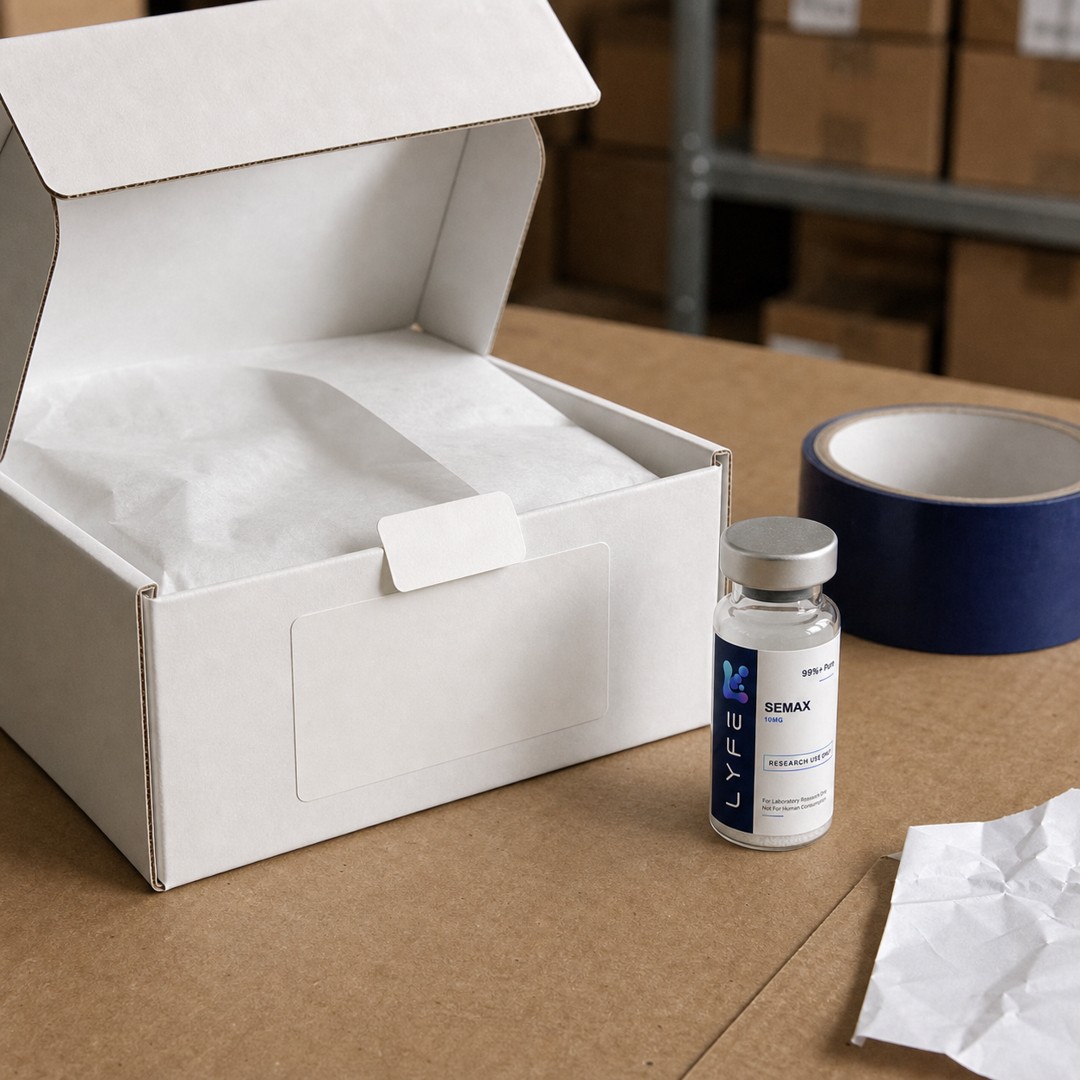
LYFE Science is a Canadian peptide supplier shipping nationwide by Canada Post: flat $25, free over $150, neutral packaging, same-day dispatch on orders paid before noon ET, and most destinations reached in 1 to 3 business days. Payment is by Interac e-Transfer or crypto (BTC, ETH, SOL, USDC, USDT), and every lot is backed by analytical documentation.
KPV is not yet stocked, but the LYFE catalogue of research peptides is expanding. The peptide guide covers how to read a COA, and you can reach out about availability.
Follow along
Research, lab-side
@lyfe_science →