Blog
How to Reconstitute Peptides: Lab Basics

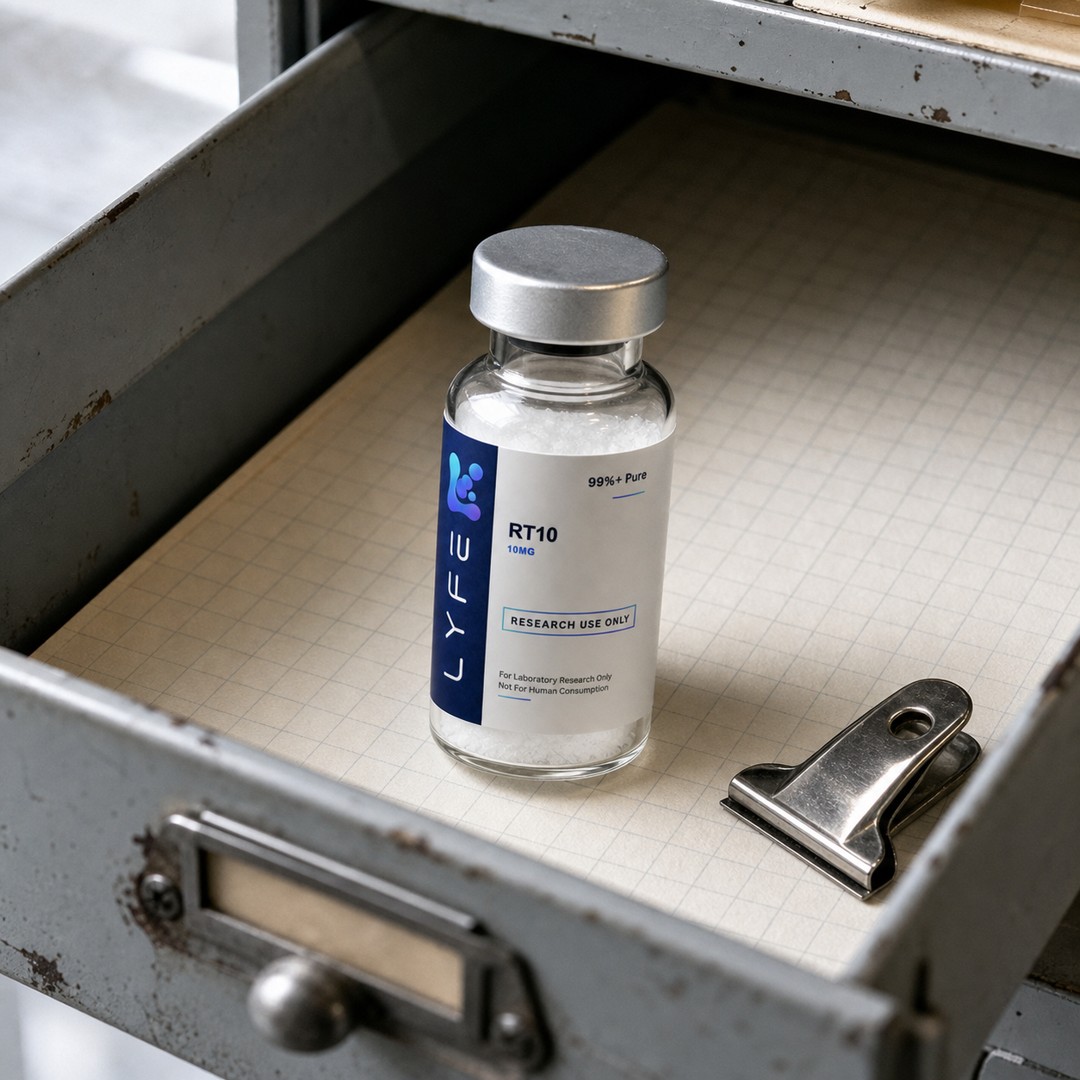
Peptides are usually supplied as a lyophilized (freeze-dried) powder because they are far more stable that way during shipping and storage. Reconstitution is the laboratory step of dissolving that powder back into a liquid so it can be handled and analyzed. This guide explains what reconstitution involves conceptually, including the concentration math and the handling principles that keep material intact.
Why peptides ship as a powder
Freeze-drying removes water and locks the peptide into a stable solid. In that state it tolerates transit and cold storage well. In solution, peptides are more fragile and degrade faster, which is why they are dried for shipping and only reconstituted when needed. Understanding this is the reason material is kept dry and cold until the moment it is dissolved.
The concentration math
Reconstitution is mostly arithmetic. Concentration is simply the amount of peptide divided by the volume of liquid it is dissolved in. If you add a given volume of diluent to a known milligram amount of peptide, the resulting concentration is milligrams per millilitre:
- Concentration (mg/mL) = peptide mass (mg) / diluent volume (mL)
- More diluent gives a lower concentration; less diluent gives a higher one.
- The labelled milligram content on the vial is your starting number, which is another reason to confirm the label matches the COA.
Working out the target concentration first, then choosing the volume of diluent to reach it, is the cleanest way to think about the step.
Choosing a diluent
The appropriate diluent depends on the peptide’s solubility characteristics, which vary from compound to compound. Some peptides dissolve readily in water-based diluents, while others need a small amount of a co-solvent to go fully into solution. A COA or product information can indicate solubility behaviour. The goal is a fully clear solution with no visible undissolved particles.
Gentle handling is the whole game
The most important principle in reconstitution is that peptides are delicate. Rough handling can damage the molecule.
- Add the diluent slowly, letting it run down the inside of the vial rather than blasting directly onto the powder.
- Do not shake vigorously; swirl gently and let the powder dissolve on its own.
- Avoid foaming, which is a sign of mechanical stress on the peptide.
- Give it a little time rather than forcing it into solution.
A clear, particle-free solution obtained without foaming is the sign of a clean reconstitution.
Storage after reconstitution
Once in solution, a peptide is less stable than it was as a powder, so reconstituted material is generally kept cold and protected from light, and used within a reasonable window rather than stored indefinitely. Keeping the unreconstituted portion dry and cold preserves it until you need it. Planning how much to reconstitute at once avoids leaving solution sitting longer than necessary.
A conceptual checklist
| Step | Principle |
|---|---|
| Confirm content | Check the label mg against the COA |
| Set concentration | Decide mg/mL, then volume of diluent |
| Add diluent | Slowly, down the vial wall |
| Dissolve | Swirl gently, no shaking, no foam |
| Store | Cold, dark, use within a sensible window |
It starts with quality material
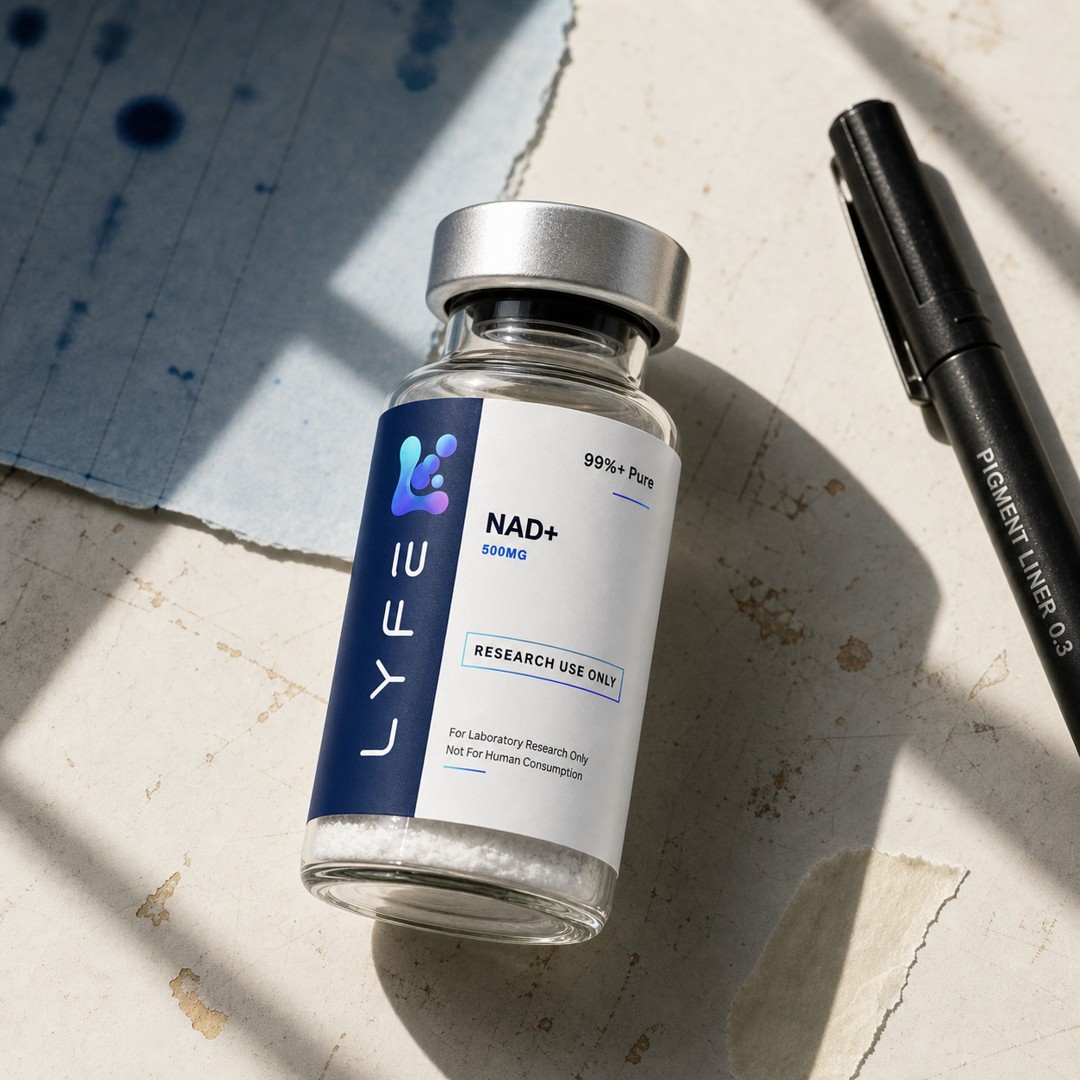
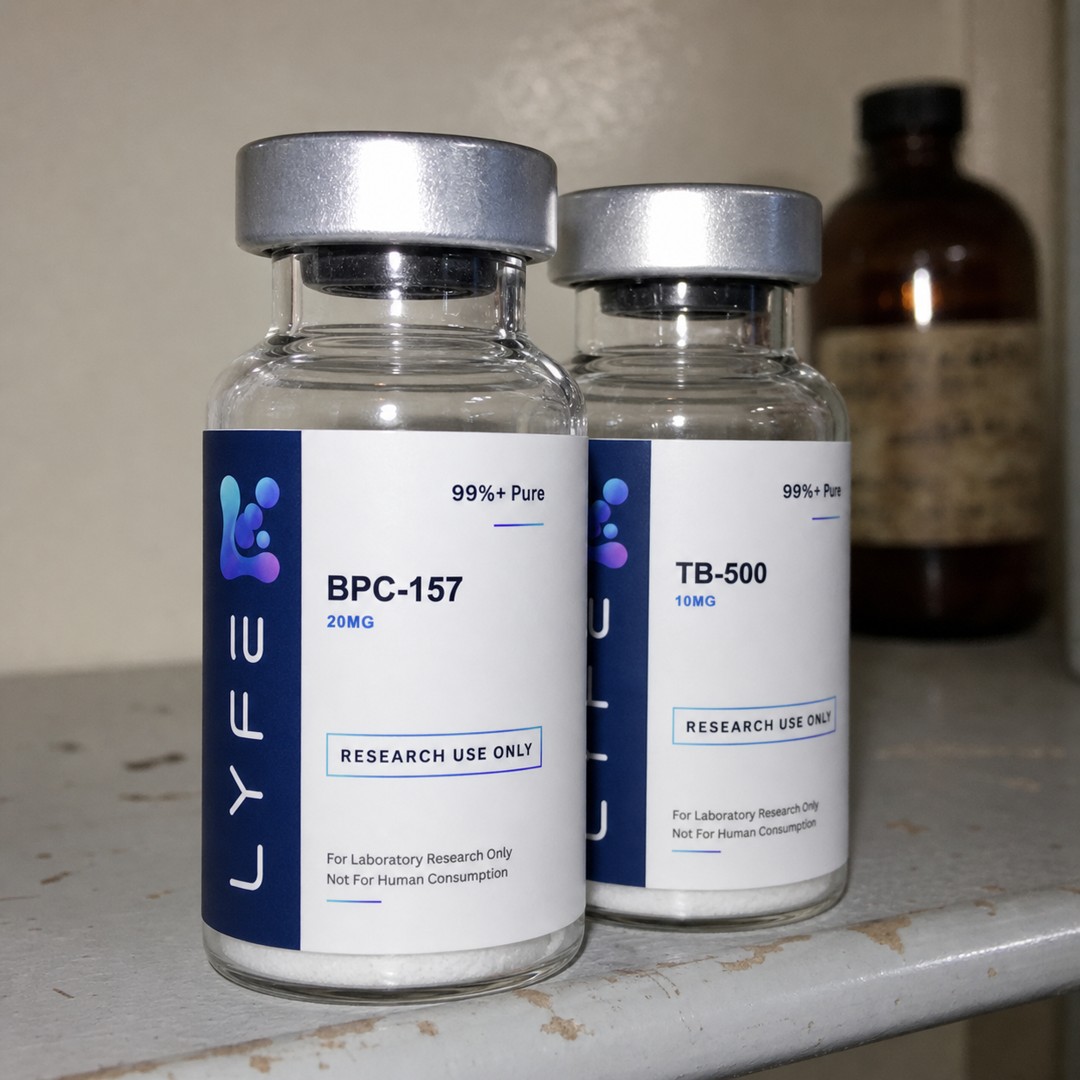
Reconstitution only ever reflects the quality of what you started with. Powder that is impure or mislabelled will not become better in solution. That is why LYFE Science checks every lot by HPLC and mass spectrometry and makes the COA available per lot, so you know the identity and purity of the material before it is ever dissolved.
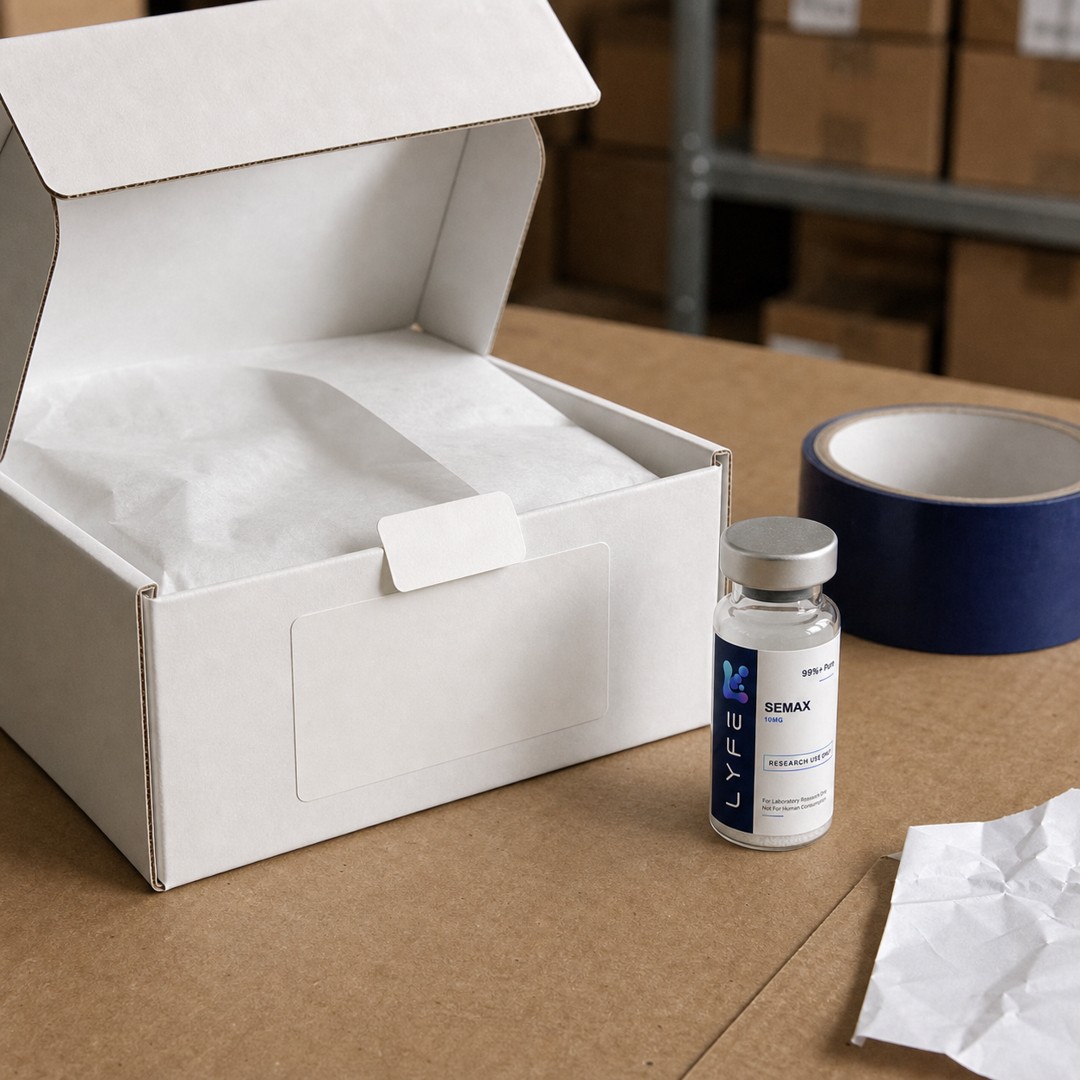
LYFE Science ships Canada-wide by Canada Post in neutral packaging, flat $25 and free over $150, with Interac e-Transfer and crypto accepted.
Follow along
Research, lab-side
@lyfe_science →