Blog
Do Peptides Expire? Peptide Shelf Life Guide

Do peptides expire? Yes, every peptide has a shelf life, but the real answer is more useful than a single date on a label. How long a research peptide lasts depends on its physical form, the temperature it is kept at, and how carefully it is handled. Understand those three factors and you can keep your material stable for as long as possible. Here is the complete guide.
Powder versus liquid: the biggest factor
The form the peptide is in matters more than anything else.
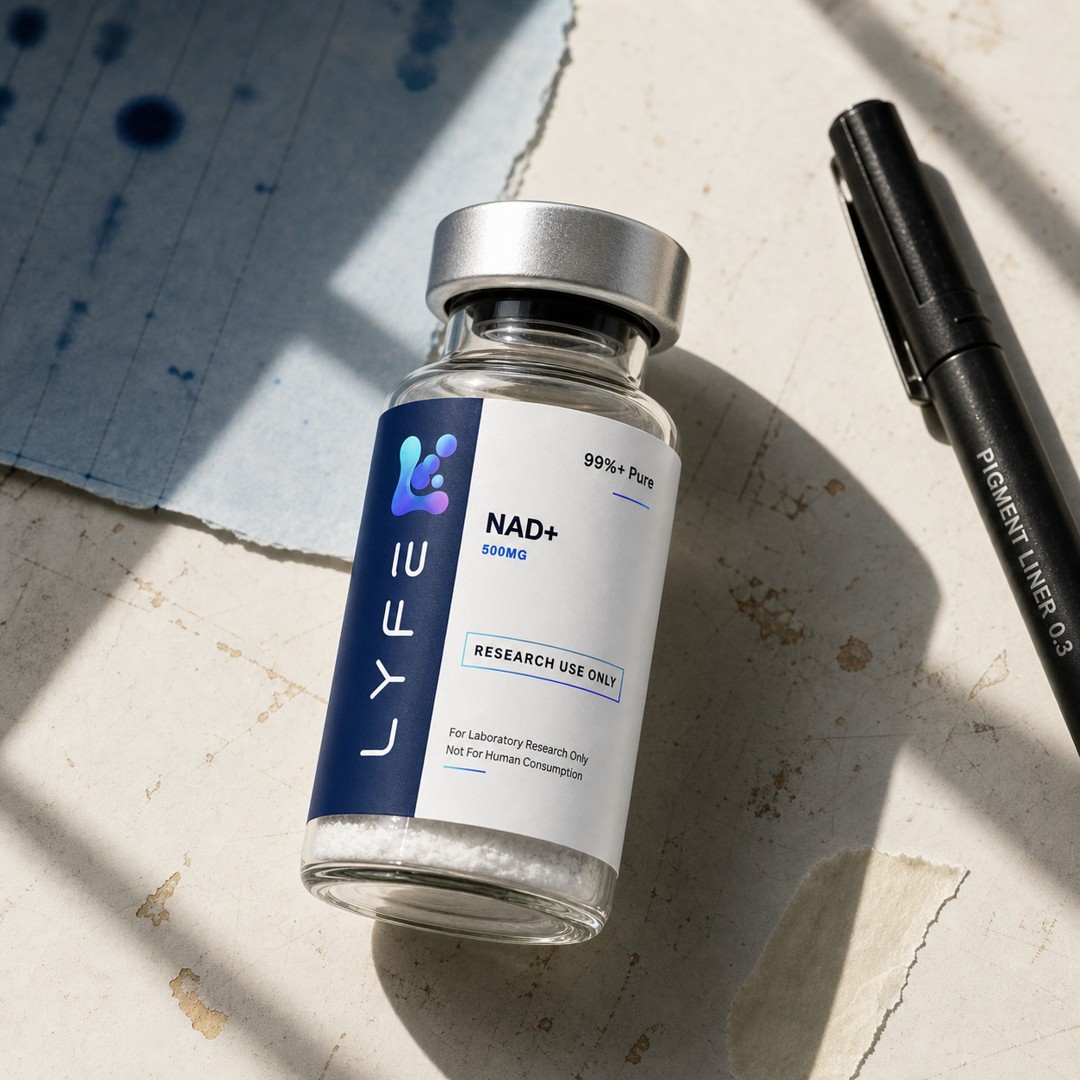
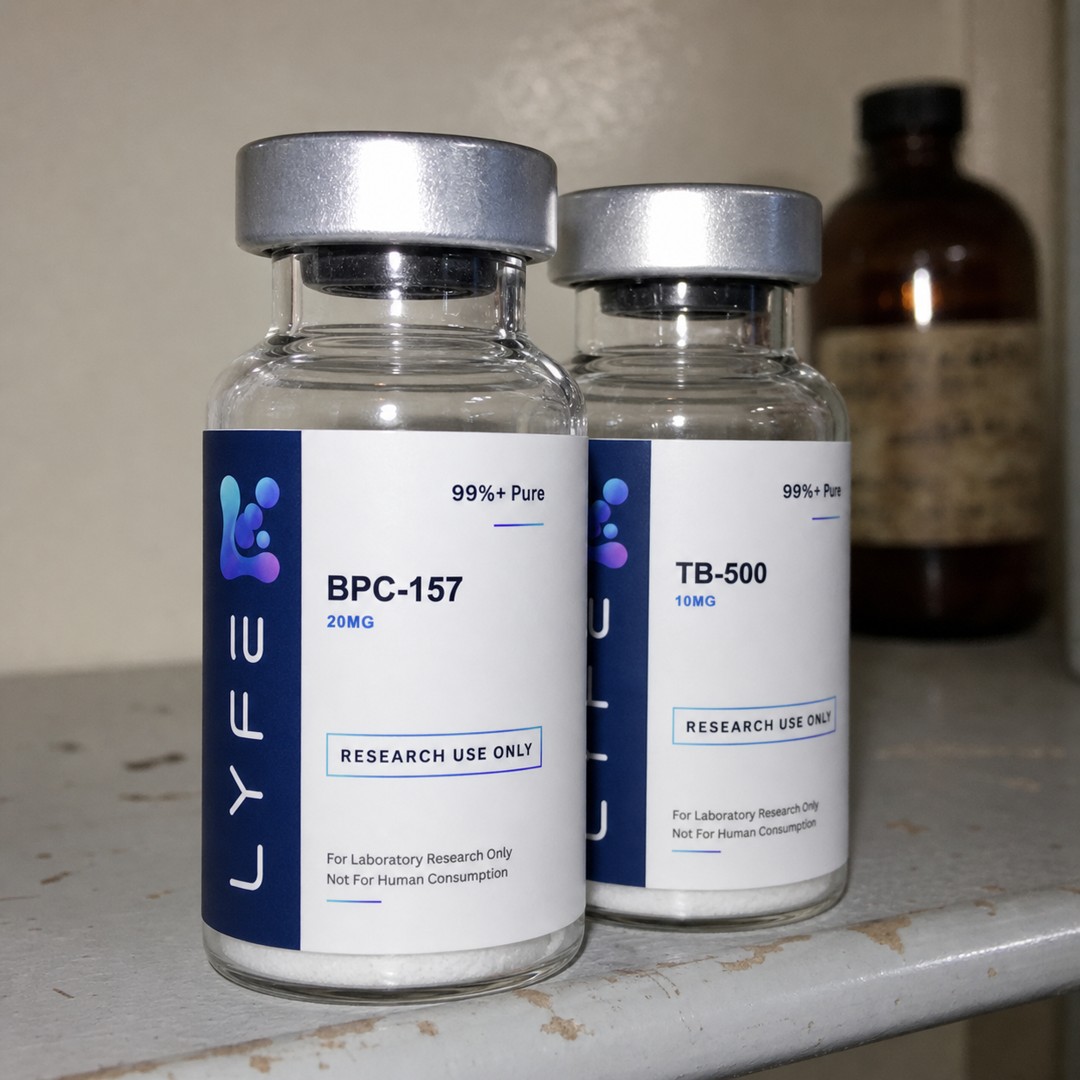
- Lyophilized (freeze-dried powder): the stable, long-lasting form. With the water removed, the reactions that break peptides down have little to work with, so dry powder keeps far longer.
- Reconstituted (dissolved in liquid): the moment you add water, the shelf life shrinks. Peptides in solution degrade faster and need cold storage and prompt use.
Temperature and the fridge-versus-freezer question
Cold slows degradation. As a general guide for research peptides:
| Form | Storage location | General shelf life |
|---|---|---|
| Lyophilized powder | Freezer | Longest, often a year or more |
| Lyophilized powder | Refrigerator | Many months |
| Lyophilized powder | Room temperature | Short term only, fine for shipping |
| Reconstituted liquid | Refrigerator | A few weeks |
| Reconstituted liquid | Room temperature | Very short, avoid |
The freezer is best for long-term storage of powder, while the fridge is fine for material you will use soon. These are general ranges: purity and handling shift the real numbers.
What actually makes peptides break down
Four enemies drive peptide degradation:
- Heat accelerates every breakdown pathway.
- Water is why reconstituted peptide has a shorter life than powder.
- Light, especially UV, can degrade sensitive molecules.
- Freeze-thaw cycling, repeatedly warming and re-cooling a vial, stresses the peptide more than steady cold.
How to tell if a peptide has gone off
Degraded material often shows visible clues: cloudiness in a solution that should be clear, unexpected particles or floaties, a colour change, or powder that has clumped from moisture. These are reasons to be cautious. That said, the only reliable way to know true purity is analytical testing, which is why a supplier’s HPLC and mass spectrometry results matter so much.
Storage tips that extend shelf life
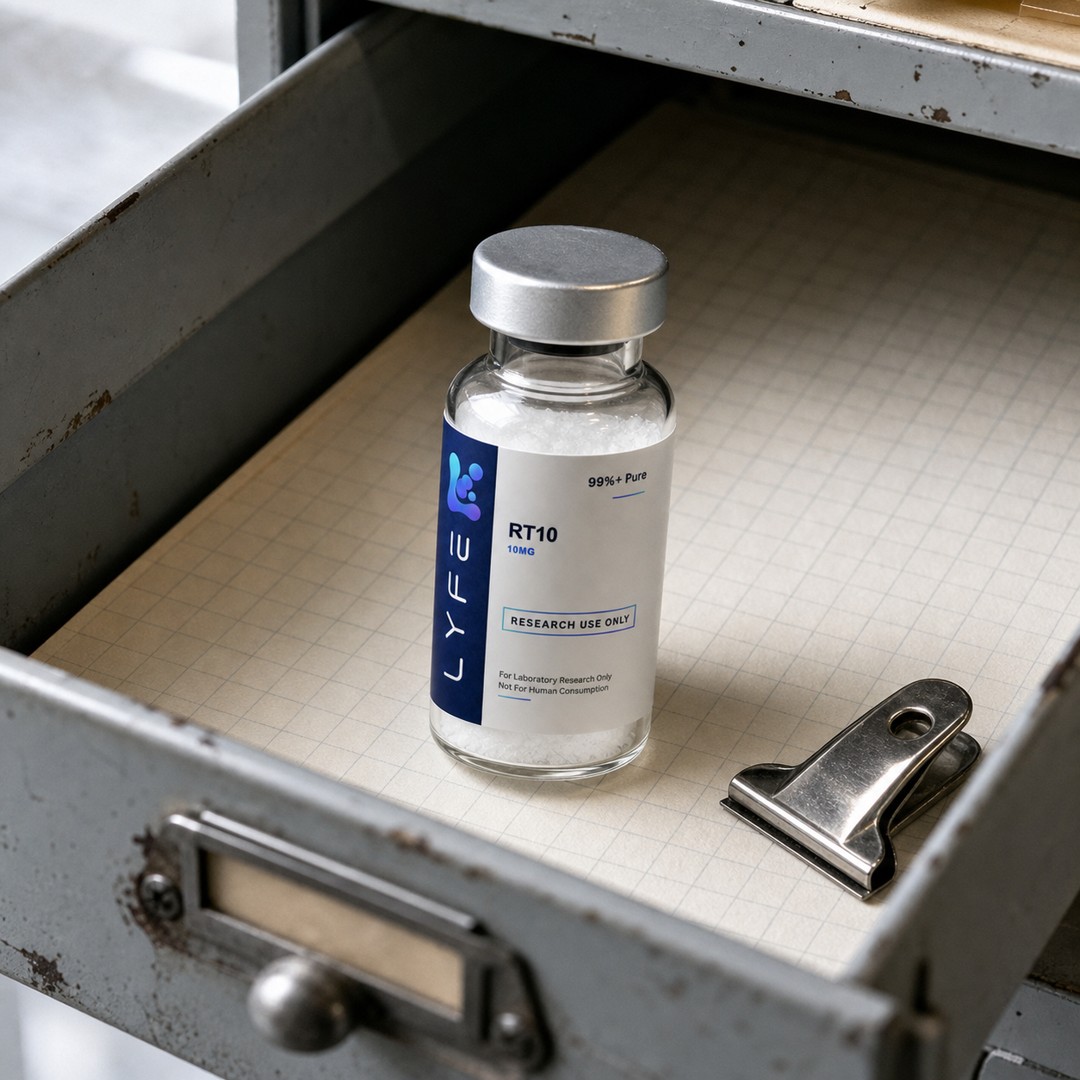
- Keep dry powder sealed, cold and away from moisture.
- Reconstitute only what you will use in the short window ahead.
- Store mixed vials in the fridge, in the dark, and use them promptly.
- Portion for single use where possible to avoid repeated freeze-thaw.
- Let cold vials warm slightly before opening to prevent condensation inside.
Shelf life starts at the source
No storage routine can rescue a peptide that arrived degraded. That is why buying from a supplier that confirms identity and purity by HPLC and mass spectrometry, provides a certificate of analysis per lot, and ships quickly and carefully is the real first step to a long shelf life.
Buying research peptides in Canada from LYFE Science
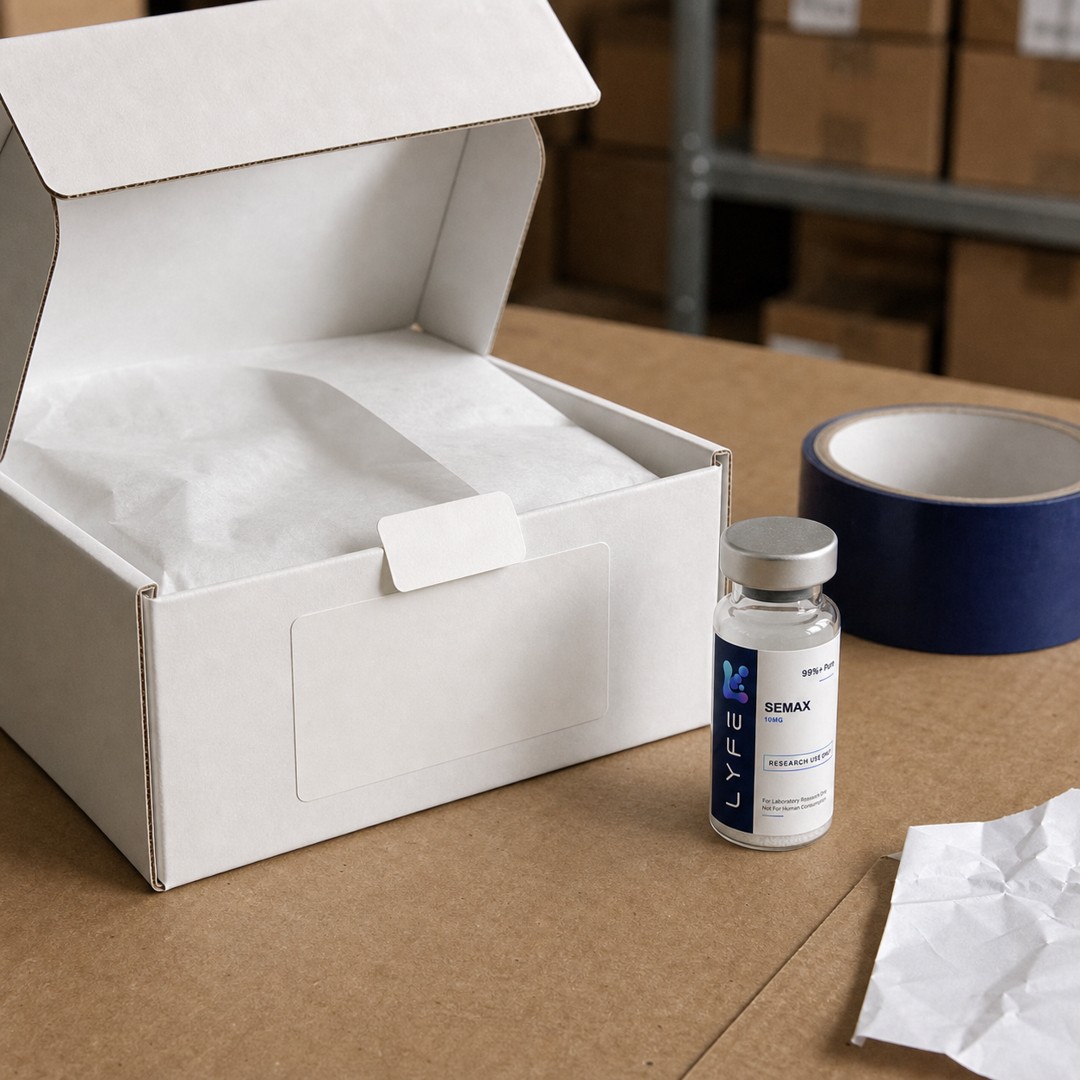
LYFE Science is a Canadian supplier shipping nationwide by Canada Post at a flat $25, free over $150. Orders paid before noon Eastern ship the same day and reach most of Canada in one to three business days, in neutral packaging. Purity is confirmed by HPLC and mass spectrometry with a COA available per lot, and we accept Interac e-Transfer and crypto (BTC, ETH, SOL, USDC, USDT).
For hands-on reconstitution and storage guidance, read our peptide guide, then browse the catalogue on the shop page.
Follow along
Research, lab-side
@lyfe_science →