Blog
BPC-157 Price in Canada: What Changed in 2026

If you have shopped for BPC-157 lately, you may have noticed prices moving. This guide explains what actually drives the cost of a research peptide, why 2026 saw upward pressure, and how to tell a fair price from a padded one when you buy in Canada.
What you are really paying for
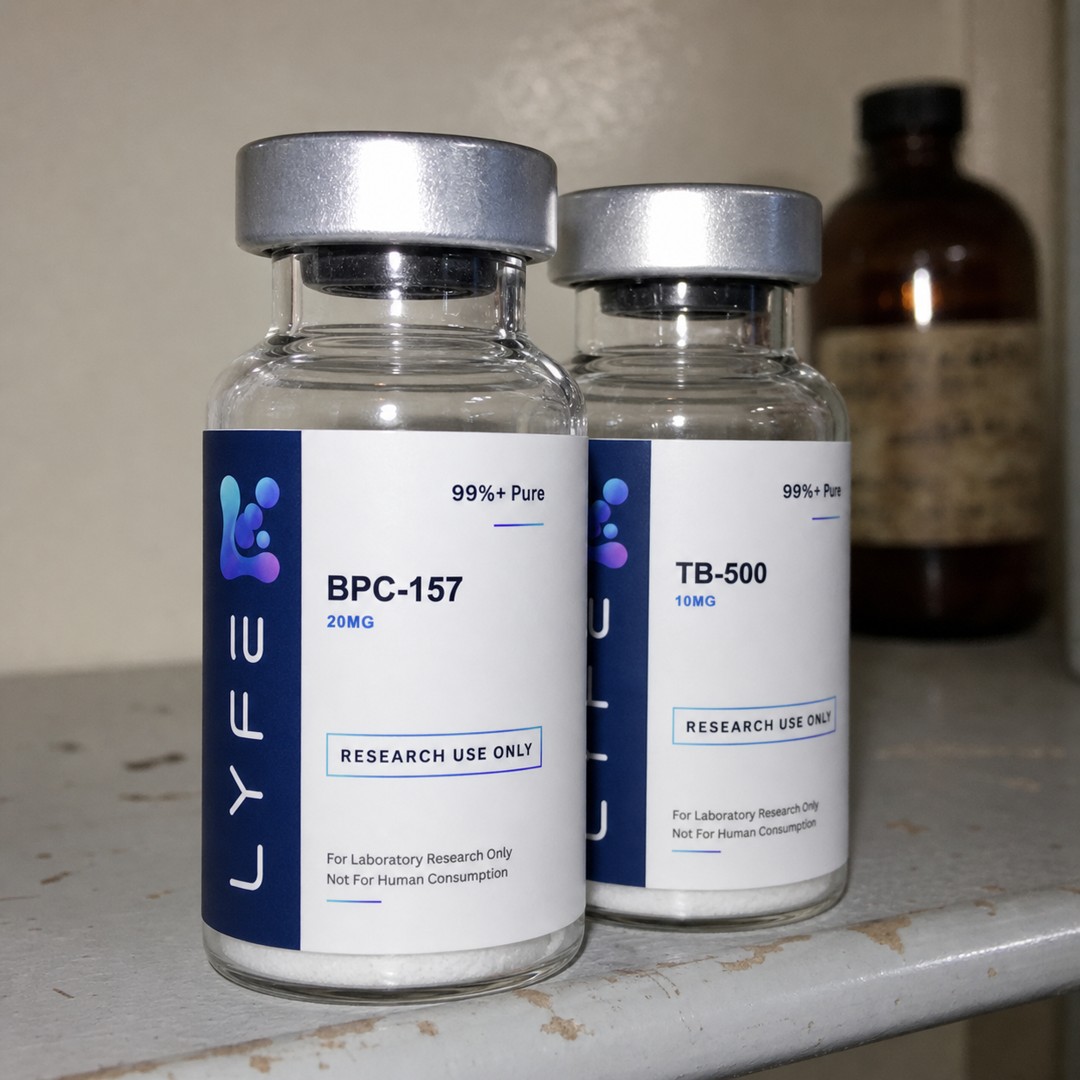
The sticker price of a peptide is not just the molecule. It bundles together synthesis, purification, analytical testing, cold storage, packaging and shipping. With BPC-157, the testing and handling side carries real weight, because a cheaply made peptide that skips proper purification is not a bargain, it is a different product.
Why prices moved in 2026
- Raw material and synthesis costs. The amino acids and reagents used in peptide synthesis have seen broad cost pressure, and that flows through to finished vials.
- Currency and import exposure. Suppliers that source internationally are exposed to exchange rates and shipping costs, both of which have been volatile.
- Testing standards. More buyers now expect full HPLC and mass-spectrometry verification, and doing that properly on every lot is not free.
- Demand. BPC-157 is one of the most requested compounds in the space, and steady demand supports firmer pricing.
How to judge whether a price is fair
Rather than chasing the lowest number, compare on a per-milligram basis and factor in what the price includes.
| Signal | What it tells you |
|---|---|
| Price per mg | The only honest way to compare across vial sizes |
| COA available | Confirms you are paying for a tested product |
| Domestic shipping | Avoids customs fees and long transit that erode value |
| Cold handling | Protects the material you paid for |
Why a very low price can cost more
A vial that looks cheap but arrives without a certificate of analysis, or after a slow warm transit, can be worth far less than the label suggests. Purity and handling are where value is won or lost, not the headline number. If a peptide is only ninety percent of what the label claims, or if it degraded on a warm loading dock before it reached you, the low price bought you very little. The most expensive peptide is the one you cannot trust and have to replace.
Vial size and per-milligram thinking
Larger vials usually carry a lower cost per milligram, which is why comparing headline prices across different sizes is misleading. Work out the per-mg figure for each option before you decide. Just be realistic about how much you will actually use within a peptide’s usable window, since buying more than you can work through simply means paying to store material that slowly degrades.
Getting fair value in Canada
Buying from a Canadian supplier keeps a few costs off your bill. There is no cross-border customs charge, transit is short, and the cold chain is easier to hold.
Every lot we sell is checked by HPLC and mass spectrometry, and a certificate of analysis is available for the lot you receive, so you can confirm identity and purity before anything leaves the freezer.
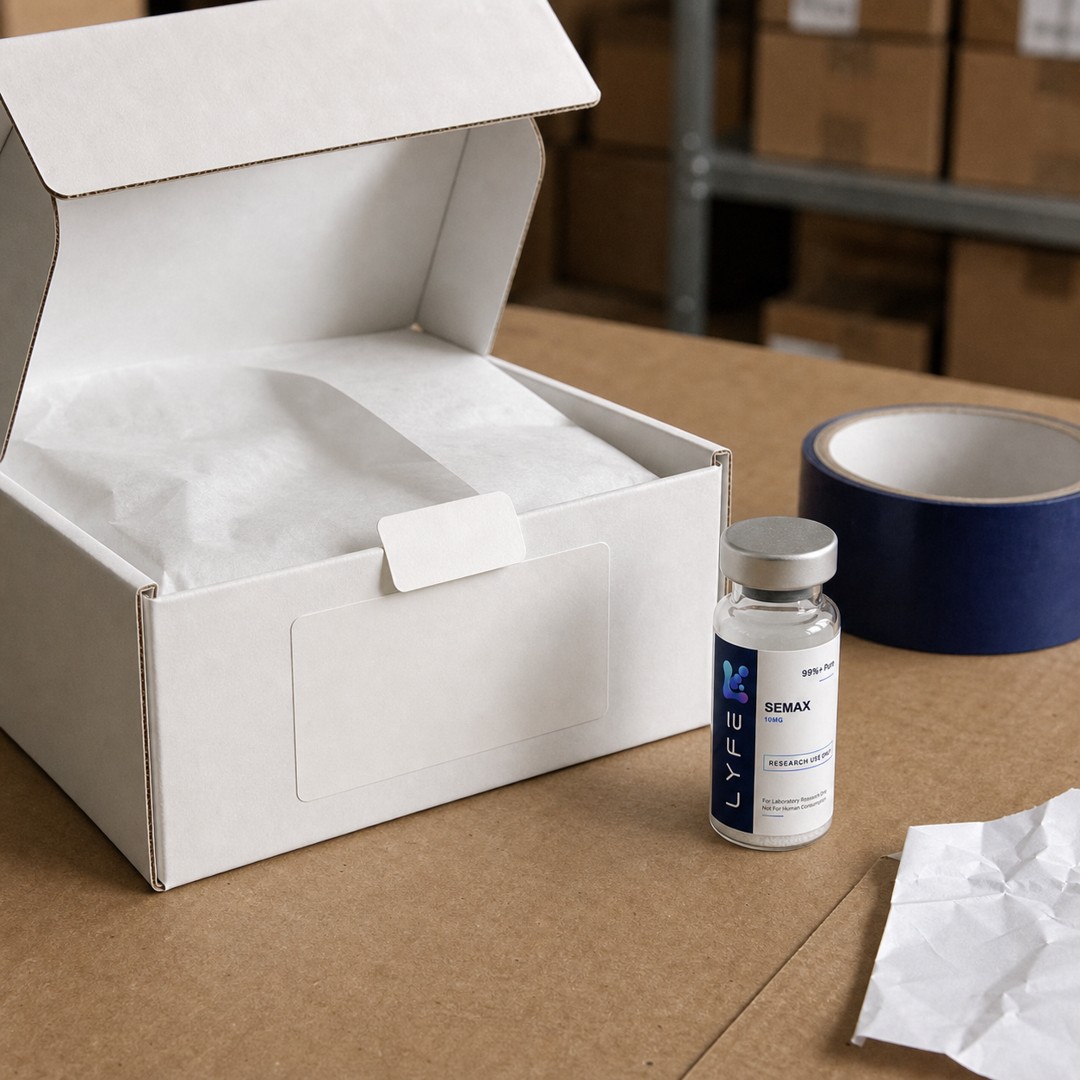
LYFE Science is a Canadian supplier and ships peptides Canada-wide with Canada Post. Shipping is a flat $25, and free on orders over $150. Pay before noon Eastern and your order is dispatched the same day, with most Canadian addresses reached in one to three business days. Every shipment goes out in neutral, unbranded packaging.
Checkout is by Interac e-Transfer or crypto (BTC, ETH, SOL, USDC, USDT). No cards are needed, and no third-party processor sits between you and your order.
LYFE Science prices per lot with the testing and handling built in, and is expanding its connective-tissue research catalogue. Check the shop for current availability.
Follow along
Research, lab-side
@lyfe_science →